Bringing home a puppy starts well before pickup day. A thoughtful puppy application guide helps you share the real details of your household so a breeder can help identify a puppy and timing that fit your family well. It is not a test you have to pass by giving perfect answers. It is the first conversation in a relationship centered on giving a puppy a healthy, secure start.
For families considering an Australian Labradoodle, the application matters because these dogs are bred to be close companions. They thrive with people who are ready to include them in everyday life, provide consistent training, and make room for their social and emotional needs. The more openly you describe your home, routine, and hopes for a dog, the better the match can be.
Why a Puppy Application Matters
Responsible breeding involves more than pairing dogs and welcoming a litter. It includes careful attention to health testing, temperament, early socialization, and the homes puppies will join. An application gives the breeder a clear picture of where each puppy may grow up and helps ensure that families understand the commitment ahead.
A good breeder is not looking for a picture-perfect home. Families have jobs, children, travel plans, apartments, busy schedules, and different levels of dog experience. What matters is whether you have a realistic plan for meeting a puppy’s needs and a willingness to learn along the way.
Applications also protect families. They give you a chance to ask about a breeder’s health practices, the parents’ temperaments, early puppy care, and the support available after your puppy comes home. A breeder who takes time to know you is more likely to be equally intentional about the dogs in their program.
What to Expect on a Puppy Application
Each breeder’s form is different, but most applications are designed to understand your daily life, your past experience with pets, and what you want in a companion. Answer each question honestly and with enough detail to be useful. If you work long hours or have never raised a puppy before, that does not automatically mean a puppy is not right for you. It simply helps create an honest discussion about preparation, support, and timing.
Your household and routine
Expect questions about who lives in your home, including children, roommates, and other pets. A breeder may ask about your children’s ages and whether everyone is comfortable around dogs. This is not about judging your family. It helps anticipate the kind of guidance that will help your puppy settle in safely.
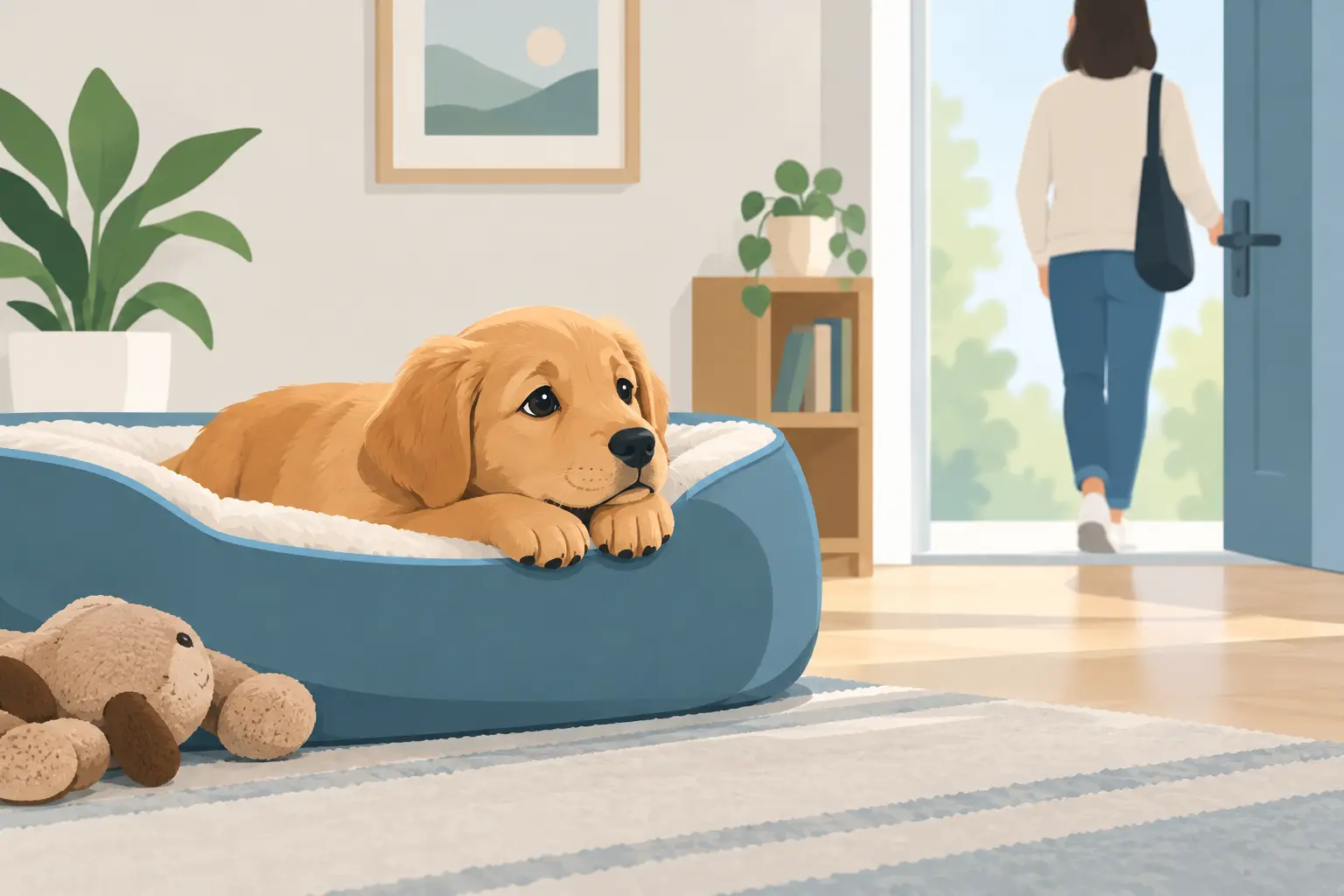
Your schedule matters, too. Young puppies need frequent potty breaks, short training sessions, supervision, and plenty of rest. If everyone is out of the house for much of the day, consider who can come home at midday, whether you can adjust your schedule during the first weeks, or whether a trusted pet professional can help. Puppies can learn independence gradually, but they should not be expected to manage long, lonely days right away.
Your home and activity level
You may be asked whether you rent or own, whether you have a fenced yard, and where your puppy will sleep. A yard can be helpful, but it is not a substitute for walks, training, play, and family connection. Many Australian Labradoodles do well in homes without large yards when their people provide consistent exercise and enrichment.
Be candid about your activity level. A family that enjoys neighborhood walks, weekend outings, and training games may want a puppy with confidence and enthusiasm for engagement. A quieter household may prefer a puppy with a more relaxed, observant nature. Every puppy still needs activity, but the goal is a natural fit rather than forcing a puppy into a lifestyle that does not suit them.
Your experience and expectations
First-time dog owners are welcome in many well-run breeding programs. The important question is not whether you have raised a dog before, but whether you are ready to follow through with puppy basics. That includes house training, crate training, socialization, veterinary care, grooming, and positive, consistent instruction.
Share what you are hoping for in a dog. Some families want a devoted companion for children. Others are looking for a trainable adult dog for an active couple, a comforting presence at home, or a future therapy-dog prospect. It is fine to have a preference, but remain open to the breeder’s guidance. A puppy’s early personality can offer helpful clues, yet no responsible breeder should promise that a young puppy will grow into a specific role or temperament.
How to Complete Your Application Thoughtfully
Before filling out an application, have a family conversation. Decide who will handle morning potty breaks, evening walks, feeding, training practice, and grooming appointments. Children can participate in age-appropriate care, but adults must remain responsible for the puppy’s health, routine, and safety.
Be clear about timing. A puppy should not come home immediately before a major move, a long vacation, the beginning of a demanding work season, or the arrival of a new baby if you can avoid it. There is never a completely quiet season of life, but the first few weeks are easier when your household can slow down and focus on bonding.
If you have another pet, describe that pet accurately. Include their age, temperament, health concerns, and experience with dogs. A friendly adult dog may welcome a puppy with time and supervision, while a senior pet or a nervous cat may need a slower introduction and protected quiet spaces. Honest information helps everyone prepare for a successful transition.
It is also wise to consider the financial side before applying. In addition to the initial puppy investment, plan for routine veterinary visits, preventatives, quality food, training, grooming, supplies, pet insurance or an emergency fund, and boarding or pet care when you travel. Low-shedding coats can be a wonderful fit for many households, but they still require regular brushing and professional grooming to prevent matting.
Questions Worth Asking a Breeder
A puppy application should be a two-way conversation. You deserve clear answers about the care behind the puppy you hope to bring home. Ask how the parent dogs are health tested and how puppies are raised during their earliest weeks. Ask what kind of socialization experiences puppies receive, what veterinary care is completed before go-home day, and what records you will receive.
It is reasonable to ask about coat care, expected adult size ranges, training recommendations, and the breeder’s approach to matching puppies with families. Australian Labradoodles are often valued for their friendly, intelligent, low-shedding coats, but individual puppies can still vary in coat type, energy, and grooming needs. A trustworthy breeder will speak plainly about those differences rather than make promises that do not reflect real life.
You can also ask what support looks like after pickup. New owners often have questions about the first night, crate routines, feeding changes, potty training, teething, and introductions to children or resident pets. At Providence Hill Australian Labradoodles, we believe education and continued guidance help families feel prepared rather than overwhelmed during those important first weeks.
Preparing While You Wait
Submitting an application is a good time to begin preparing your home, not a reason to rush. Choose a veterinarian, research positive reinforcement training options, and decide where your puppy will eat, sleep, and take potty breaks. Purchase the essentials, but resist the urge to buy every gadget available. A safe crate, appropriately sized collar or harness, leash, food and water bowls, chew-safe toys, grooming tools, and cleaning supplies cover most immediate needs.
Use the waiting period to set household expectations. Puppies need gentle handling, predictable routines, and frequent naps. They will have accidents, chew something inconvenient, and need patience while they learn. Families who expect progress instead of perfection are usually better able to enjoy the small wins: the first peaceful crate nap, a successful potty trip outside, or a puppy choosing to settle at your feet.
A Good Match Is Built on Honesty
The best application answers are specific, thoughtful, and truthful. Do not say you have unlimited time if you do not. Do not minimize a resident pet’s challenges or promise a level of activity your family cannot maintain. Those details are not disqualifiers. They are the information that allows a responsible breeder to offer practical guidance and make a more informed match.
A puppy will change your schedule, your floors, and often your definition of a quiet evening. They also bring laughter, connection, and the kind of everyday companionship that becomes part of family life. When you approach the application with care and openness, you are taking the first meaningful step toward giving that new puppy the home they deserve.