A puppy does not need to know how to sit perfectly before coming home, but learning begins much earlier than many families expect. If you are wondering what age to start puppy training, the answer is: from the very beginning, using short, gentle lessons that feel safe and rewarding. Your puppy is learning from every interaction, including where to potty, how to settle, and whether people are predictable and kind.
For a family companion, early training is less about obedience drills and more about building a foundation of trust. Australian Labradoodles are bright, people-focused dogs, and they often enjoy learning alongside their families. A thoughtful start helps channel that enthusiasm into the everyday manners that make life together easier.
What Age Should You Start Puppy Training?
Training can begin the day your puppy comes home, usually around 8 weeks of age. At this stage, keep expectations realistic. A young puppy has a short attention span, limited bladder control, and a great deal to learn about a brand-new environment. A successful lesson may last only 30 seconds to two minutes.
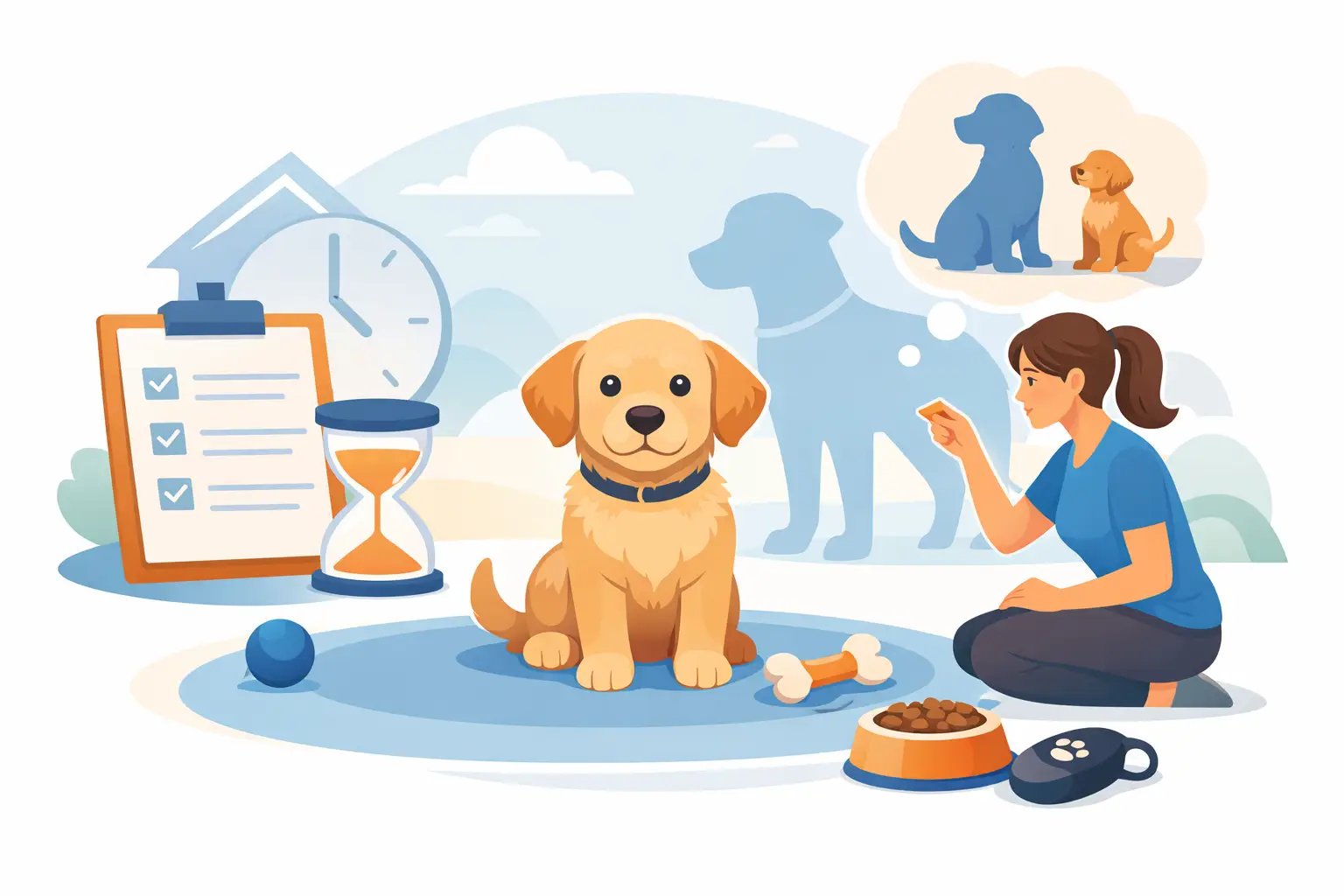
The best early lessons are woven into daily life. Say your puppy’s name and reward eye contact. Offer a treat when all four paws are on the floor to encourage polite greetings. Reward your puppy for following you into the crate, sitting briefly before a meal, or choosing a toy instead of a shoe. These small moments add up quickly.
Waiting until a puppy is older can allow unwanted habits to become familiar. That does not mean you should pressure a young puppy or expect adult-level behavior. It means you should begin showing them, kindly and consistently, what works in your home.
The First Weeks at Home: Focus on Routines
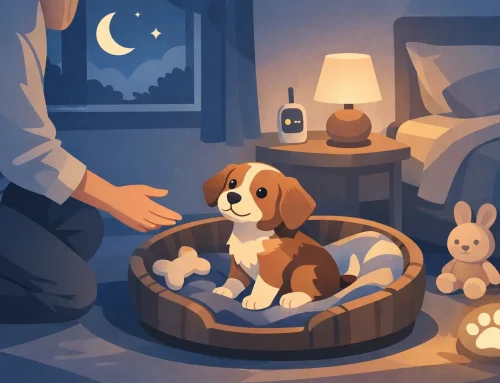
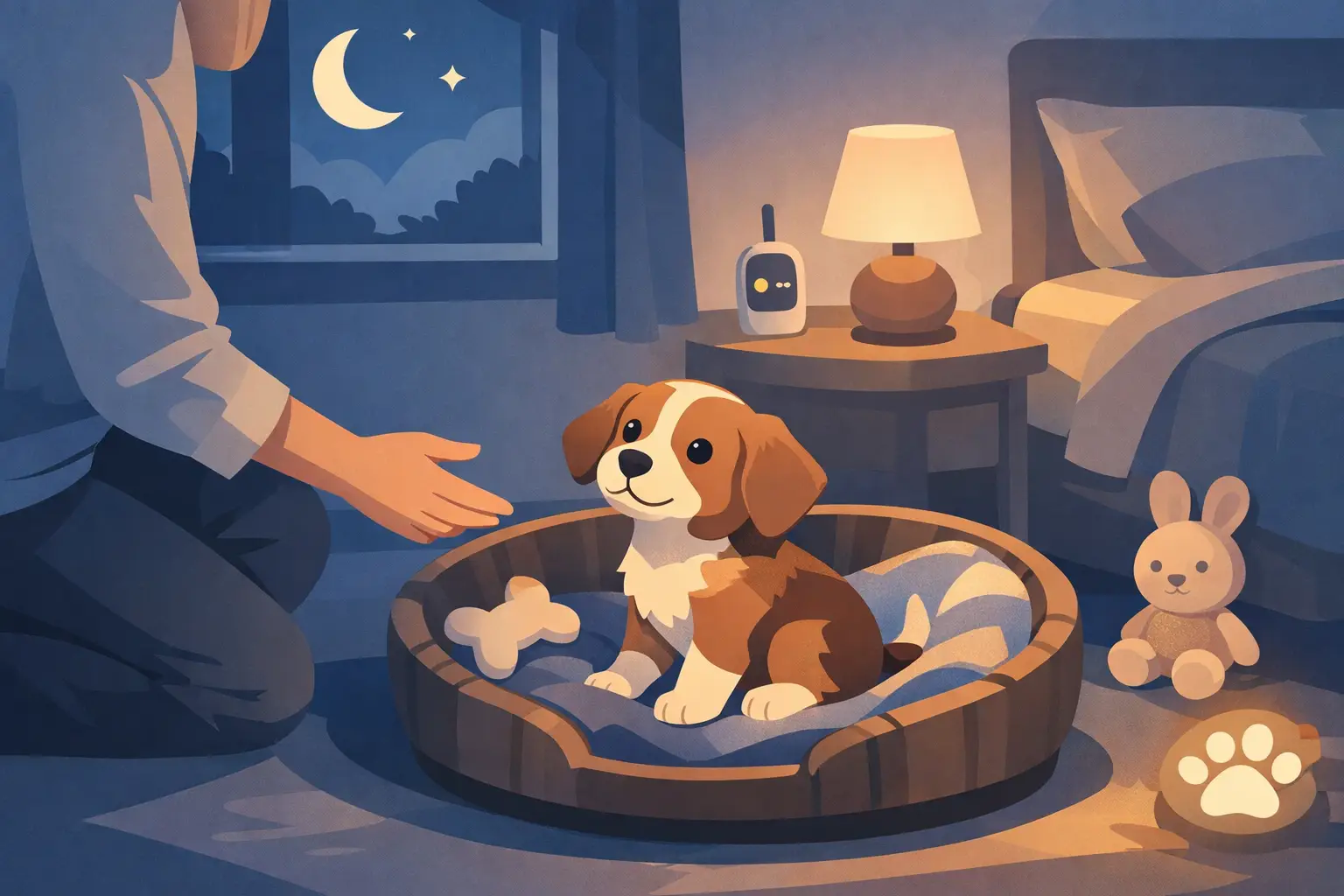
The first one to two weeks should be centered on adjustment. Your puppy has left littermates, familiar sounds, and a routine that felt secure. A calm homecoming, regular meals, planned potty breaks, and plenty of sleep will do more for early training than a long list of commands.
Start a predictable potty schedule right away. Take your puppy outside after waking, eating, drinking, playing, and spending time in the crate. When they potty in the correct spot, calmly praise and reward them immediately. Accidents will happen, especially in the early weeks. Clean them thoroughly and adjust your supervision or schedule rather than punishing your puppy.
Crate training should also begin gradually. The crate should feel like a comfortable resting place, never a consequence. Feed treats or meals near the crate, let your puppy walk in and out freely, and build up short periods of relaxed rest. A crate can support potty training, safe travel, and peaceful downtime, but puppies still need frequent breaks, connection, and exercise appropriate for their age.
Teach the Skills That Protect Family Life
Before focusing heavily on tricks, prioritize the habits that matter every day. Name recognition, coming when called indoors, gentle handling, settling on a bed, and releasing items when asked are useful skills for nearly every household.
Practice handling in brief, positive moments. Touch a paw, look at an ear, gently brush the coat, and reward your puppy. For a low-shedding breed such as an Australian Labradoodle, early comfort with brushing and grooming is especially valuable. It helps your puppy accept the regular coat care they will need throughout life.
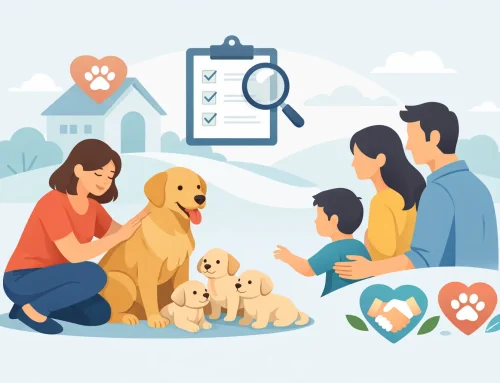
If children are part of the family, adults should lead these lessons. Children can help toss treats, ask for a simple sit, or reward calm behavior, but they should not be responsible for managing a tired, mouthy, or overstimulated puppy. Give both children and puppy breaks from each other, and teach children not to disturb a dog while eating, sleeping, or resting in the crate.
Socialization Is Training, Too
A puppy’s early socialization period is a meaningful window for building confidence. This does not mean introducing your puppy to every person, dog, place, and noise in one busy week. Too much, too fast can create stress rather than confidence.
Instead, choose positive, manageable experiences. Let your puppy hear the vacuum from a comfortable distance, walk on a new surface, meet a calm visitor, ride in the car, or watch the world from your arms or a clean blanket. Pair new experiences with treats, play, and the freedom to move away if your puppy seems unsure.
Because young puppies have not completed their vaccine series, be selective about where they go. Avoid areas heavily used by unknown dogs, such as dog parks, pet store floors, and busy communal potty spots. Your veterinarian can help you understand local disease risks. Safe socialization can still include meeting healthy, vaccinated dogs you know, visiting friends’ homes, hearing neighborhood sounds, and being carried through public settings.
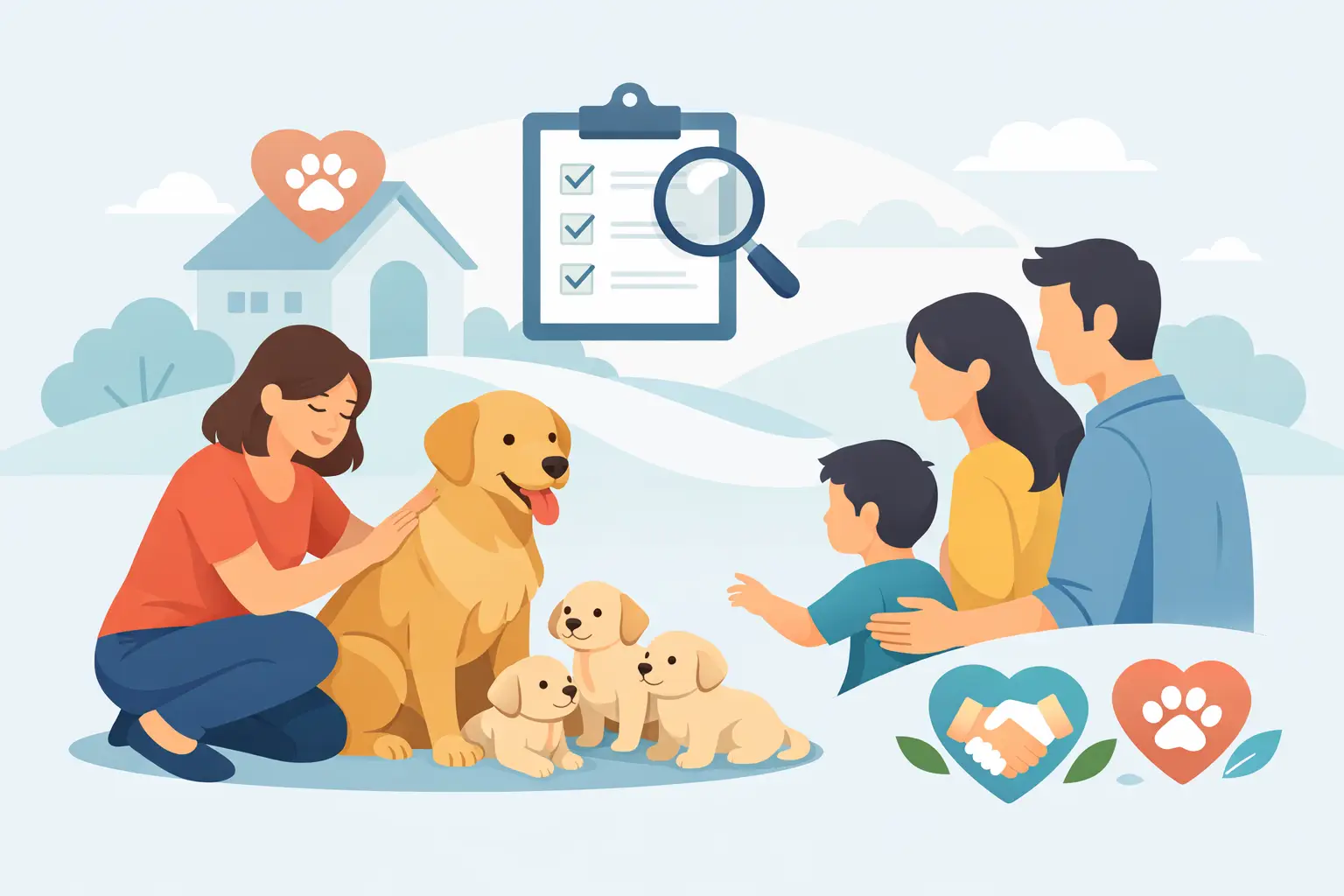
At Providence Hill Australian Labradoodles, we believe early positive exposure and a caring home environment help prepare puppies for family life. That preparation continues after pickup. The first months in your home are where your puppy learns the rhythms, boundaries, and relationships that will shape adulthood.
When to Begin Formal Puppy Classes
Many families can enroll in a well-run puppy class once their veterinarian agrees it is appropriate. Classes are often a helpful next step after your puppy has settled at home and started basic routines. Look for an instructor who uses reward-based methods, keeps play carefully supervised, and understands puppy development.
A quality class teaches more than sit and down. It gives your puppy practice focusing around mild distractions, accepting gentle handling, and being calm near other people and dogs. It also gives owners coaching at the stage when questions about chewing, biting, sleep, and potty training are common.
Group class is not the only route. Some puppies are more sensitive, and some family schedules make private training a better fit. The key is not the format. It is finding patient guidance that helps your puppy feel successful without using fear, harsh corrections, or unrealistic expectations.
Keep Lessons Short and Reward What You Want
Puppies learn best when training is frequent, clear, and pleasant. Aim for several tiny sessions throughout the day rather than one long session. A minute while dinner is being prepared or a few repetitions before going outside can be enough.
Use a cheerful marker word such as “yes” the instant your puppy does the right thing, then offer a small treat, toy, praise, or access to something they want. If your puppy does not respond, make the task easier. For example, practice “come” from only a few feet away inside before trying it in the backyard with squirrels nearby.
Consistency matters, but every family member does not need to sound exactly the same. What matters is that the rule stays clear. If jumping on guests is sometimes rewarded with attention and sometimes corrected, your puppy will understandably keep trying it. Decide together what polite greetings look like, where your puppy sleeps, and which rooms are off limits.
Expect Normal Puppy Behavior
Chewing, nipping, accidents, barking, and bursts of wild energy are not signs that training has failed. They are common parts of puppyhood. Often, an overtired puppy needs a nap, a puppy who is biting needs a toy and a pause from exciting play, and a puppy who is having accidents needs closer supervision.
Avoid repeating commands over and over. If you say “sit” five times and your puppy is distracted, gently help them succeed by reducing distractions or using a treat to guide their attention. Then reward the behavior. Training should teach your puppy what you mean, not create a guessing game.
Training Changes as Your Puppy Grows
Around 12 to 16 weeks, many puppies can begin practicing skills in slightly busier environments, building a stronger recall, and learning to walk politely on leash. Adolescence, which often begins later in the first year, may bring testing behaviors and temporary lapses in focus. Continue the routines that worked early on instead of assuming your puppy is being stubborn.
Your puppy does not need perfection at any particular age. A confident, well-mannered companion is built through hundreds of ordinary moments: a quiet crate rest, a successful potty trip, a calm greeting, and a treat for choosing to check in with you. Start early, stay patient, and let your puppy grow into the trusted family dog they are becoming.