
A puppy photo can make almost any breeder look appealing. The more meaningful question is what happens before that photo: how the parents were selected, where the puppies sleep, what they experience each day, and whether the breeder will still be there when your puppy has a difficult first night at home. When you choose an ethical puppy breeder, you are choosing the foundation of your dog’s health, temperament, and early development.
For families searching for an Australian Labradoodle or another companion breed, this decision deserves time. A carefully bred puppy is not a guarantee that life with a dog will be effortless. Training, consistency, veterinary care, and patience still matter. But responsible breeding gives your family a much stronger starting point.
How to Choose an Ethical Puppy Breeder
An ethical breeder puts the well-being of dogs ahead of quick availability or sales pressure. They are intentional about the dogs they breed, transparent about their program, and interested in whether their puppies are a good fit for the homes they join.
Start by paying attention to the breeder’s willingness to have a real conversation. They should ask about your household, children, work schedule, previous dog experience, activity level, and expectations. Those questions are not an obstacle to getting a puppy. They show that the breeder wants each puppy placed thoughtfully rather than simply placed quickly.
A responsible breeder should also be able to explain why they selected a particular pairing. With Australian Labradoodles, that conversation may include coat type, size, temperament, lineage, and the health history of both parents. A breeder who only repeats broad promises such as “hypoallergenic” or “perfect family dog” without discussing the individual litter is not giving you the full picture.
No dog is completely allergy-proof, and no puppy arrives fully trained. Low-shedding coats can be a wonderful fit for many homes, but grooming needs and individual sensitivities should be discussed honestly. Credibility often sounds more measured than a sales pitch.
Look Beyond a General Health Guarantee
A health guarantee is valuable, but it is not the same as responsible health testing. Ethical breeders screen breeding dogs before they produce a litter and can explain which tests were completed, what the results mean, and how those results guide breeding decisions.
Depending on the breed and lines involved, testing may include hips, elbows, eyes, heart health, and DNA screening for inherited conditions. Ask to see clear documentation, not just a statement that the parents are “health tested.” A knowledgeable breeder will welcome the question and explain information in language you can understand.
It is also reasonable to ask about veterinary care for the litter. Puppies should receive age-appropriate wellness examinations, vaccinations, and deworming before they go home. You should leave with records and clear instructions for your puppy’s next veterinary visit.
Health is more than a checklist. Temperament matters, too. A breeder should be able to describe each parent’s personality and how puppies are observed as they grow. Friendly, stable companion dogs are intentionally raised through both genetics and early experiences.
Ask About the Parents, Not Just the Puppies
The parents tell an important part of the story. Ask whether you can meet the mother or, if an in-person meeting is not practical, see current photos and videos and learn about her personality. The sire may live with another reputable breeding program, which is common, but the breeder should still be open about his health testing, temperament, and pedigree.
Watch for breeders who always have many unrelated breeds, frequent litters, or a constant supply of puppies ready to leave immediately. There can be exceptions, particularly in larger established programs, but you should receive a clear explanation of how each dog receives individual care, exercise, socialization, and attention.
See How Puppies Are Raised
Where and how a puppy spends its first weeks affects the transition into family life. In-home raising can give puppies valuable exposure to normal household sounds, gentle handling, daily routines, and age-appropriate interaction. That does not mean every ethical breeder must invite every visitor into every puppy area. Young puppies need protection from illness and overstimulation.
What matters is transparency. A breeder may offer an in-person visit at the appropriate stage, a scheduled video call, photos, videos, or a detailed explanation of the puppies’ environment. They should be able to describe their sanitation practices, sleeping arrangements, play spaces, and socialization plan without becoming evasive.
Ask what puppies experience before going home. Thoughtful early development may include being handled gently, hearing common household sounds, exploring safe surfaces and objects, beginning crate exposure, and taking early steps toward potty training. These experiences should be gradual and positive, never overwhelming.
An ethical breeder will also avoid sending puppies home too early. Puppies need time with their mother and littermates to develop important social skills. The exact timing can vary based on the puppy’s development and local requirements, but pressure to take home a very young puppy is a serious concern.
Read the Contract Before You Commit
A clear contract protects the puppy, the breeder, and your family. It should explain the purchase terms, health coverage, your responsibilities for veterinary care, and the breeder’s expectations for raising the dog. If there is a spay or neuter agreement, limited registration, or breeding restriction, those details should be stated plainly before you place a deposit.
One of the strongest signs of responsible breeding is a return-to-breeder policy. Life can change through illness, housing loss, family emergencies, or an unexpected mismatch. An ethical breeder does not want one of their dogs passed from home to home, surrendered to a shelter, or sold online. They should have a plan to help if you can no longer keep your dog.
Take your time with the agreement. Ask questions about any wording you do not understand. A reputable breeder will not rush you into signing documents or sending a nonrefundable payment before they have answered reasonable questions.
Notice the Support Offered After Pickup
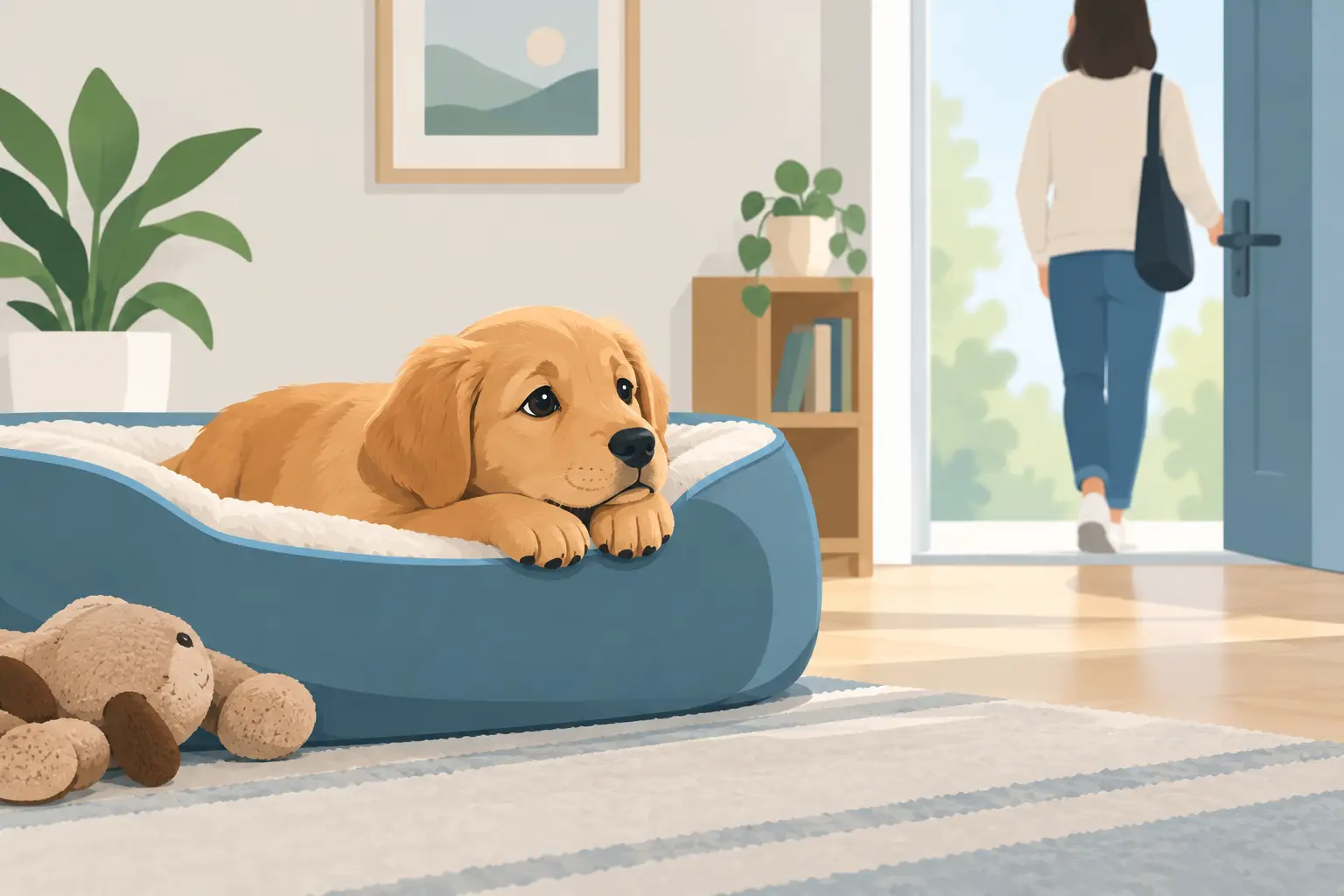
Bringing home a puppy is joyful, but the first weeks can be tiring and full of questions. You may need guidance on crate training, feeding schedules, grooming, chewing, potty accidents, car rides, or helping your puppy settle at night. The right breeder prepares you before pickup and remains a helpful resource afterward.
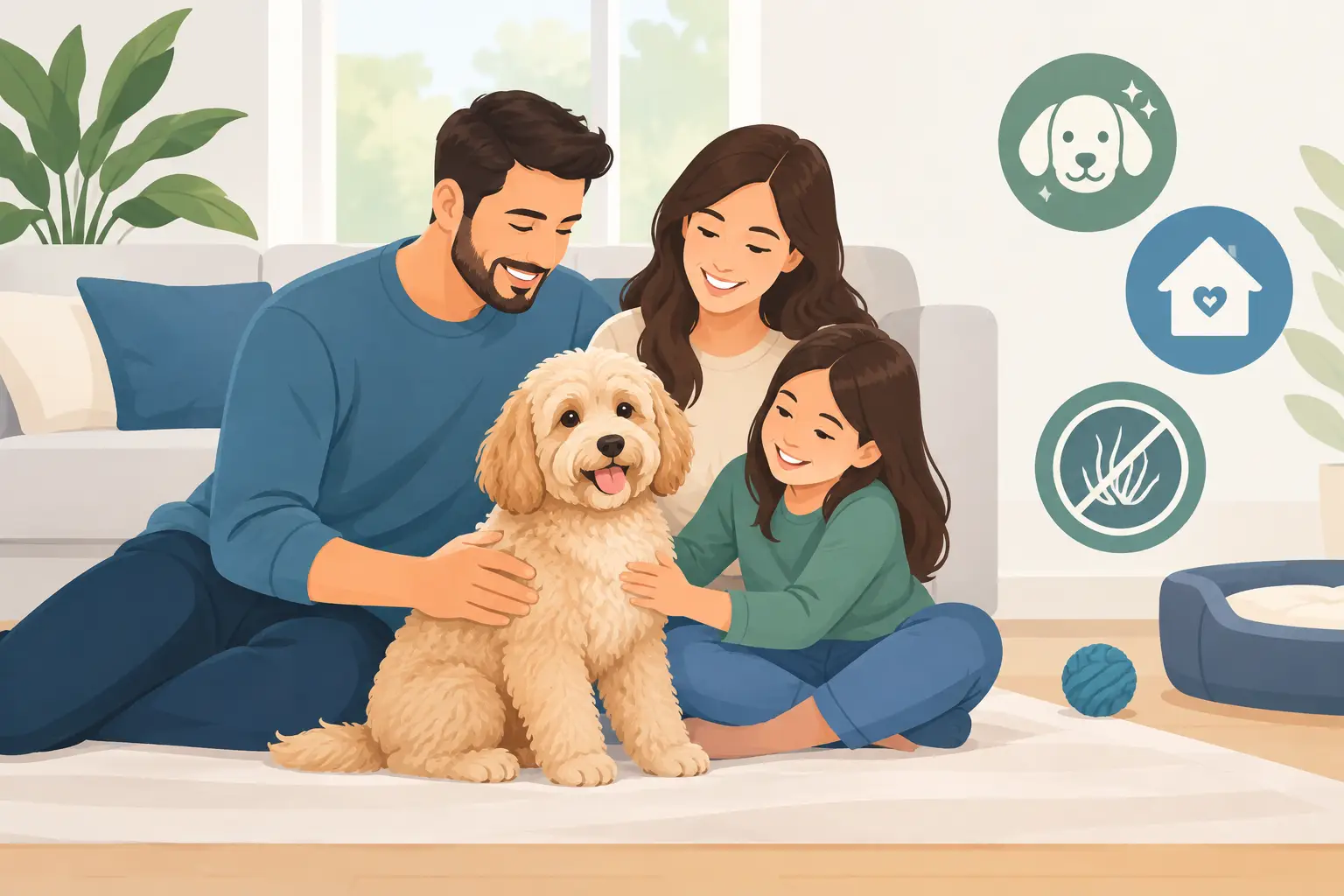
Ask what support is included. You may receive feeding guidance, a transition plan, vaccination records, training recommendations, grooming education, and advice about the puppy’s established routine. For families choosing a low-shedding Australian Labradoodle, coat education is especially helpful. A soft puppy coat can change as the dog matures, and regular brushing and professional grooming are part of caring for that beautiful coat.
Support does not mean a breeder will make every decision for you forever. It means they care about the lifelong outcome of the puppies they raise and want you to feel equipped to meet your dog’s needs.
Red Flags That Deserve a Pause
Trust your instincts when something feels rushed, secretive, or too good to be true. A low price, immediate availability, or a promise of a flawless puppy can be tempting, especially when your family is eager. Those factors should never replace careful research.
Be cautious if a seller will not discuss health testing, refuses to show where puppies are raised in any form, will meet only in a parking lot, or pressures you to pay immediately. Other concerns include vague answers about the parents, no written contract, puppies leaving unusually young, and a lack of questions about your home.
Online reviews and testimonials can be useful, but they are only one piece of the picture. Read for specific details about communication, puppy health, temperament, and the breeder’s support after pickup. Then compare what you read with the breeder’s actual practices and answers.
Let the Right Match Matter More Than Timing
The best puppy for your family may not be the first available puppy. You may need to wait for a planned litter, complete an application, or trust a breeder’s guidance about which puppy best suits your household. That waiting period can feel long, particularly when children are counting down the days, but it often reflects a breeder who is prioritizing thoughtful placements.
At Providence Hill Australian Labradoodles, families are encouraged to see the puppy search as the beginning of a long relationship, not a one-day transaction. The goal is a healthy, affectionate companion with the preparation and support to thrive in family life.
Choose the breeder who is as careful about your future dog’s life as you are. The right questions today can lead to years of muddy paws, familiar greetings, quiet comfort, and a dog who truly feels at home.