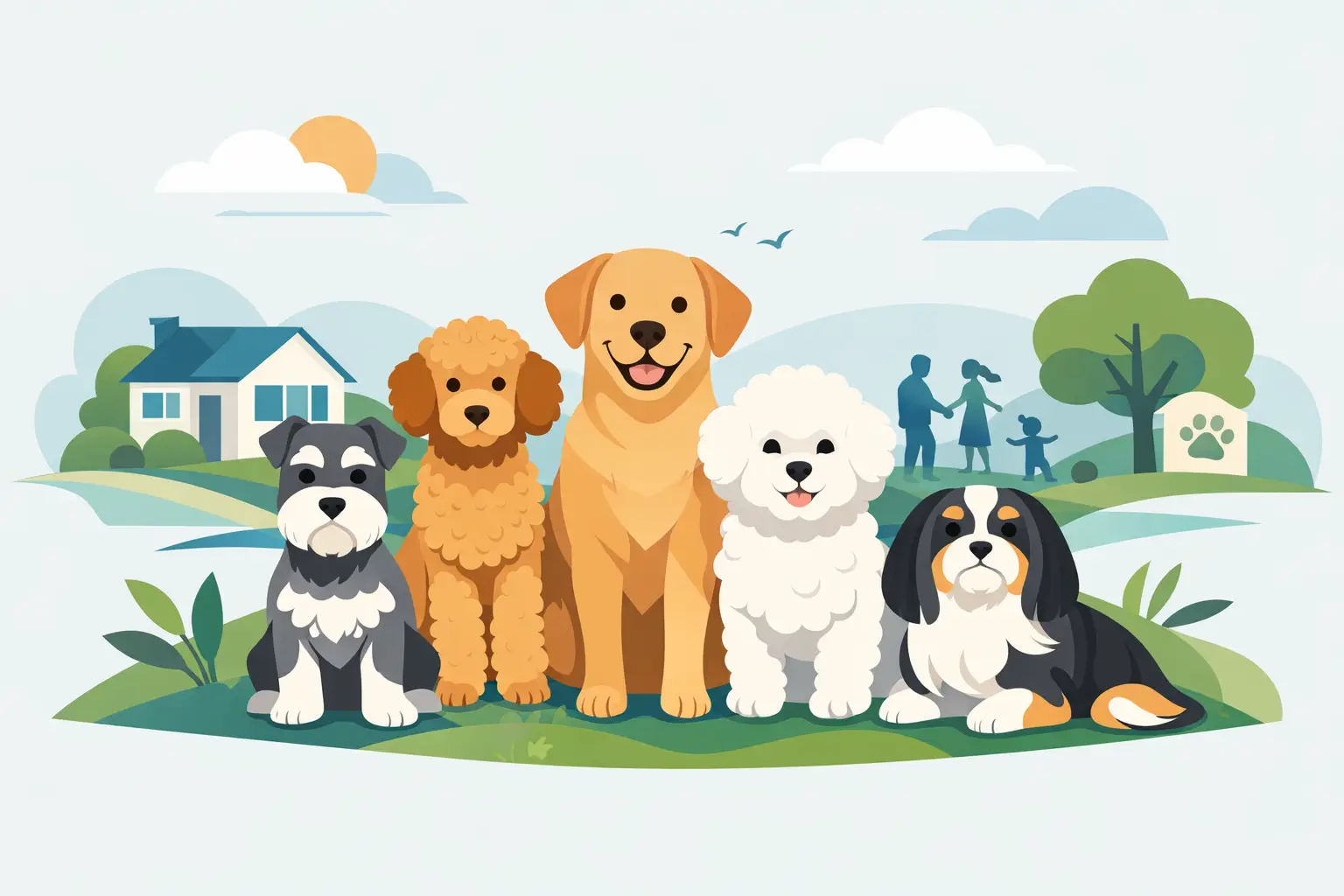
A dog can be wonderfully affectionate with children and still leave fur on every sofa, sweater, and car seat. For families who want less hair around the house without giving up a playful, people-focused companion, the best low shedding family dogs offer an appealing balance. The right choice is not simply the dog with the curliest coat. It is the dog whose energy level, grooming needs, size, and temperament truly fit your family.
Low shedding does not mean no maintenance. Most dogs that shed very little need regular brushing and professional grooming to keep their coats comfortable and free of mats. Families should also remember that no dog is guaranteed to be completely allergen-free. Dander, saliva, and individual sensitivities matter, so spending time with a breed before committing is a wise step.
What Makes a Dog a Good Fit for Family Life?
The best family dogs are more than cute puppies. They are bred and raised with stable, people-oriented temperaments, then supported with patient training and daily structure. A family-friendly dog should be able to enjoy activity, settle at home, and build positive relationships with adults, children, visitors, and other pets.
For many first-time owners, trainability matters just as much as shedding. An intelligent dog that wants to work with its people can make house training, basic manners, and everyday routines easier. Of course, intelligence also means a dog needs engagement. Walks, play, training games, and quiet connection with the family all help a companion dog thrive.
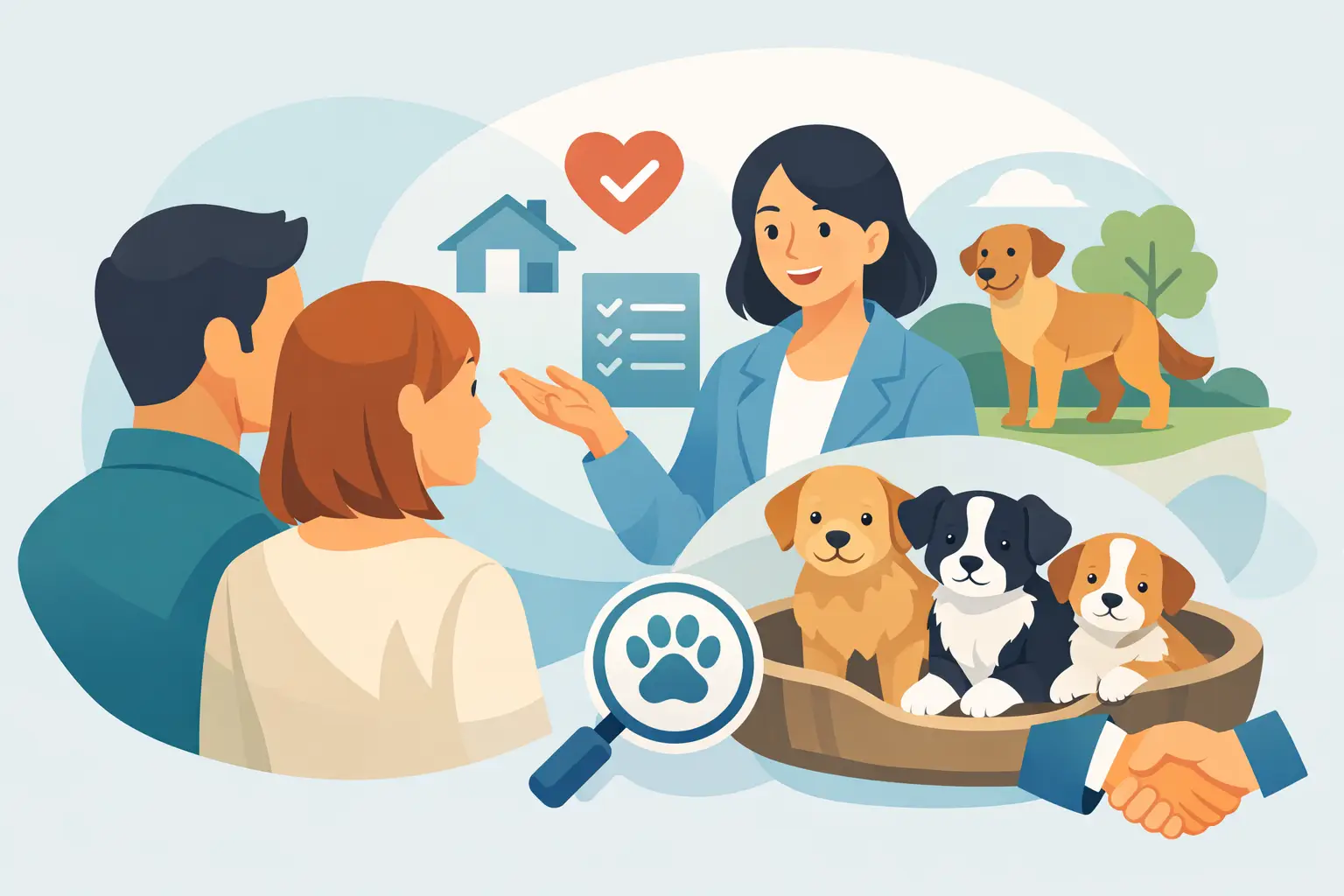
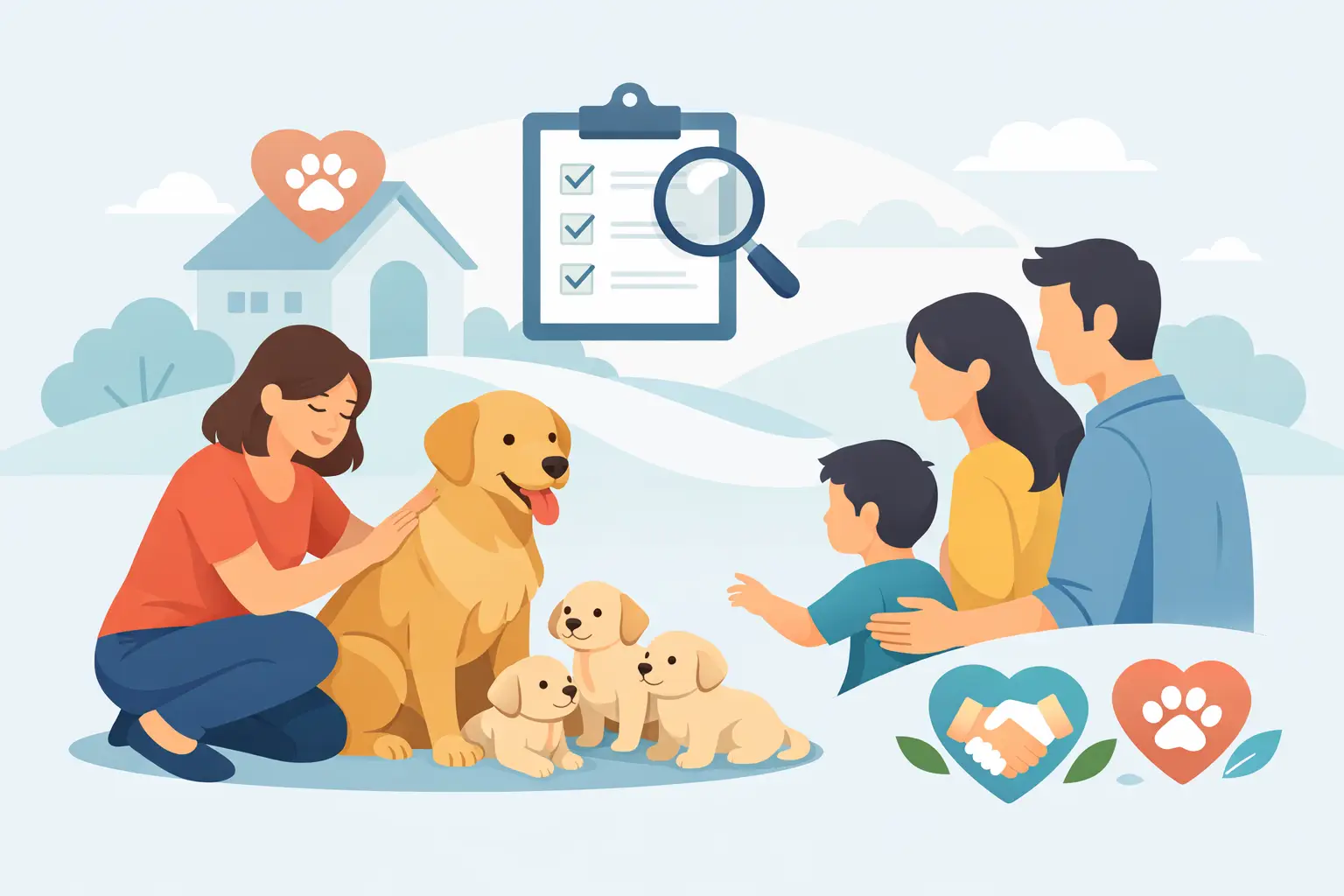
Health and responsible breeding deserve the same attention. Ask breeders about health testing, the parents’ temperaments, early socialization, and how puppies are prepared for life in a home. A thoughtfully raised puppy has a stronger foundation, but every puppy still needs consistency and guidance after coming home.
10 Best Low Shedding Family Dogs to Consider
1. Australian Labradoodle
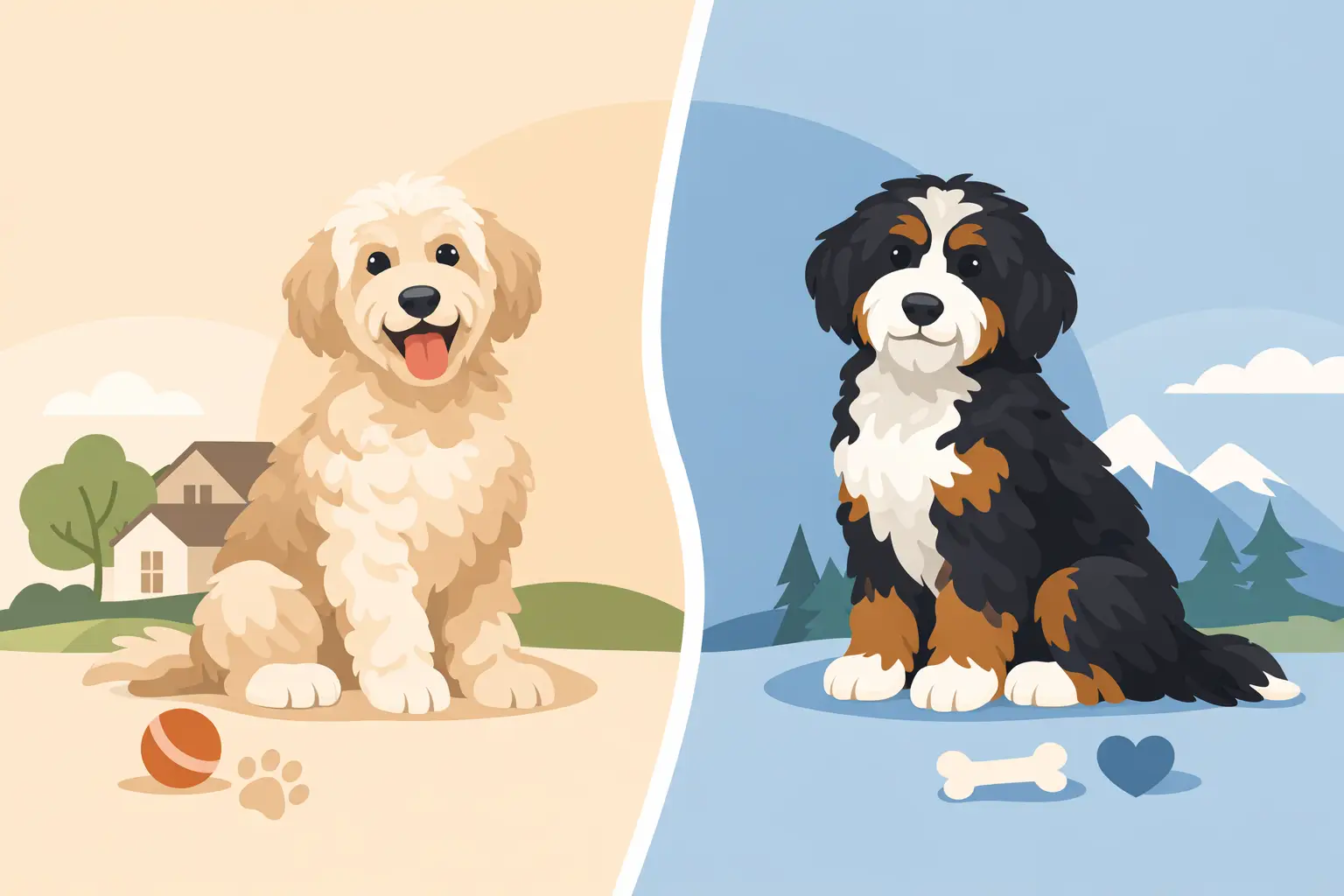
Australian Labradoodles are often a wonderful choice for families seeking an affectionate, intelligent, low-shedding companion. They were developed with a focus on sociability, trainability, and a coat that is often easier on households concerned about shedding. Their soft, wavy or curly coats do require regular brushing and professional grooming, but they typically do not leave the heavy coat of hair seen with many double-coated breeds.
A well-bred Australian Labradoodle is typically eager to be involved in family life. They can be playful with children, responsive to training, and happy to settle near their people after exercise. Size, coat type, and energy can vary, which is why a breeder who knows each puppy’s personality is especially helpful when matching a puppy to a home.
2. Miniature Poodle
Miniature Poodles are bright, athletic, and highly trainable. Their curly coats shed minimally, but they require dependable grooming every several weeks. Families who enjoy teaching tricks, taking walks, and including a dog in activities often appreciate the Poodle’s quick mind and cheerful nature.
Their sensitivity is a trade-off to consider. Poodles respond best to kind, clear training rather than harsh corrections. They may not be ideal for a home that wants a dog with very little need for interaction or mental exercise.
3. Standard Poodle
The Standard Poodle offers many of the same low-shedding coat benefits in a larger, more athletic package. They are often affectionate, alert, and deeply connected to their families. A Standard Poodle can be a great match for older children and active households with room for daily walks, games, and training.
Their larger size means more dog to manage during puppyhood, and their grooming commitment is significant. Families should plan for regular coat care rather than assuming a low-shedding coat is a low-effort coat.
4. Bichon Frise
The Bichon Frise is a small, cheerful companion known for its fluffy white coat and friendly spirit. These dogs generally shed very little, although their coat needs frequent brushing to prevent tangles. Their compact size can suit families in apartments, townhomes, or smaller houses.
Bichons tend to enjoy company and may struggle if left alone for long workdays without support. They are a better fit for families who want a close companion rather than an independent dog that is content to spend much of the day by itself.
5. Havanese
Havanese dogs are affectionate little companions with silky coats that shed lightly. They are often social, adaptable, and eager to be near their people, which can make them especially appealing for families who want a smaller dog with a warm personality.
Their long coat needs consistent care, whether a family keeps it long or chooses a shorter pet trim. Because of their small size, young children should be taught to handle them gently and respectfully.
6. Portuguese Water Dog
For active families, the Portuguese Water Dog can be an engaging low-shedding option. This breed is athletic, intelligent, and often enthusiastic about swimming, hiking, retrieving, and learning. Their curly or wavy coat needs routine grooming, and their energy level needs a real outlet.
This is not the best choice for a family looking for a quiet, low-exercise dog. With enough activity and positive training, however, they can be joyful, devoted companions.
7. Soft Coated Wheaten Terrier
Soft Coated Wheaten Terriers are known for their soft, flowing coats and happy, spirited personalities. They generally shed less than many traditional family breeds, but their coat needs careful brushing to avoid mats. Wheatens can be affectionate and fun-loving, especially with families who enjoy an active dog.
Terrier independence can show up in training. A Wheaten may be less naturally eager to please than a Poodle or Australian Labradoodle, so early training and a secure yard are worthwhile considerations.
8. Miniature Schnauzer
Miniature Schnauzers are sturdy, low-shedding small dogs with expressive personalities. They are often alert, devoted, and entertaining, and their size works well for many homes. Their wiry coats require clipping or hand-stripping, along with regular brushing around the legs and beard.
They can be vocal and may have a strong instinct to chase small animals. Families who value an alert little watchdog may enjoy this trait, while those wanting a very quiet dog may prefer another breed.
9. Lagotto Romagnolo
The Lagotto Romagnolo has a dense, curly, low-shedding coat and an intelligent, active nature. Originally bred for truffle hunting, this dog enjoys having a job to do. Scent games, training, and outdoor adventures can help them feel fulfilled.
Their cleverness and energy make them rewarding for engaged families, but they may be more demanding than a household expecting a relaxed, easygoing companion without much daily activity.
10. Coton de Tulear
The Coton de Tulear is a small companion dog with a cotton-like coat that sheds lightly. They are generally affectionate, playful, and happiest when included in the rhythm of family life. Their coat needs regular brushing, especially if kept long, but their manageable size can make grooming at home more approachable.
Like many companion breeds, Cotons may prefer not to be left alone for extended periods. They often flourish in homes where someone is around for much of the day or where the family can arrange companionship and enrichment.
Choosing Between Coat Care and Shedding
A low-shedding coat shifts the work rather than removing it. Loose fur may be less visible around your home, but curls and waves can trap shed hair in the coat. Without brushing, those hairs can form painful mats close to the skin. Most families should expect to brush several times each week and schedule professional grooming about every six to eight weeks, depending on coat type and preferred length.
Children can be part of simple coat-care routines, such as helping gather supplies or offering treats while an adult brushes. This creates positive associations and teaches children that caring for a dog is more than playtime.
Why Early Socialization Changes the Experience
Even one of the best low shedding family dogs needs thoughtful early experiences. Puppies benefit from gentle exposure to household sounds, different surfaces, car rides, visitors, grooming tools, and age-appropriate interactions with children. The goal is not to overwhelm a puppy with constant activity. It is to build confidence gradually and positively.
At Providence Hill Australian Labradoodles, we believe a puppy’s early foundation matters deeply. In-home raising, intentional socialization, health-focused breeding, and support for new families all help create a smoother transition from our home to yours. Families can then continue that work through predictable routines, reward-based training, and plenty of patience.
The best dog for your family is the one whose needs you can meet with confidence for years to come. Choose the temperament and energy level that suit your real daily life, make room for grooming and training, and you will be ready to welcome a companion who becomes part of the family story.