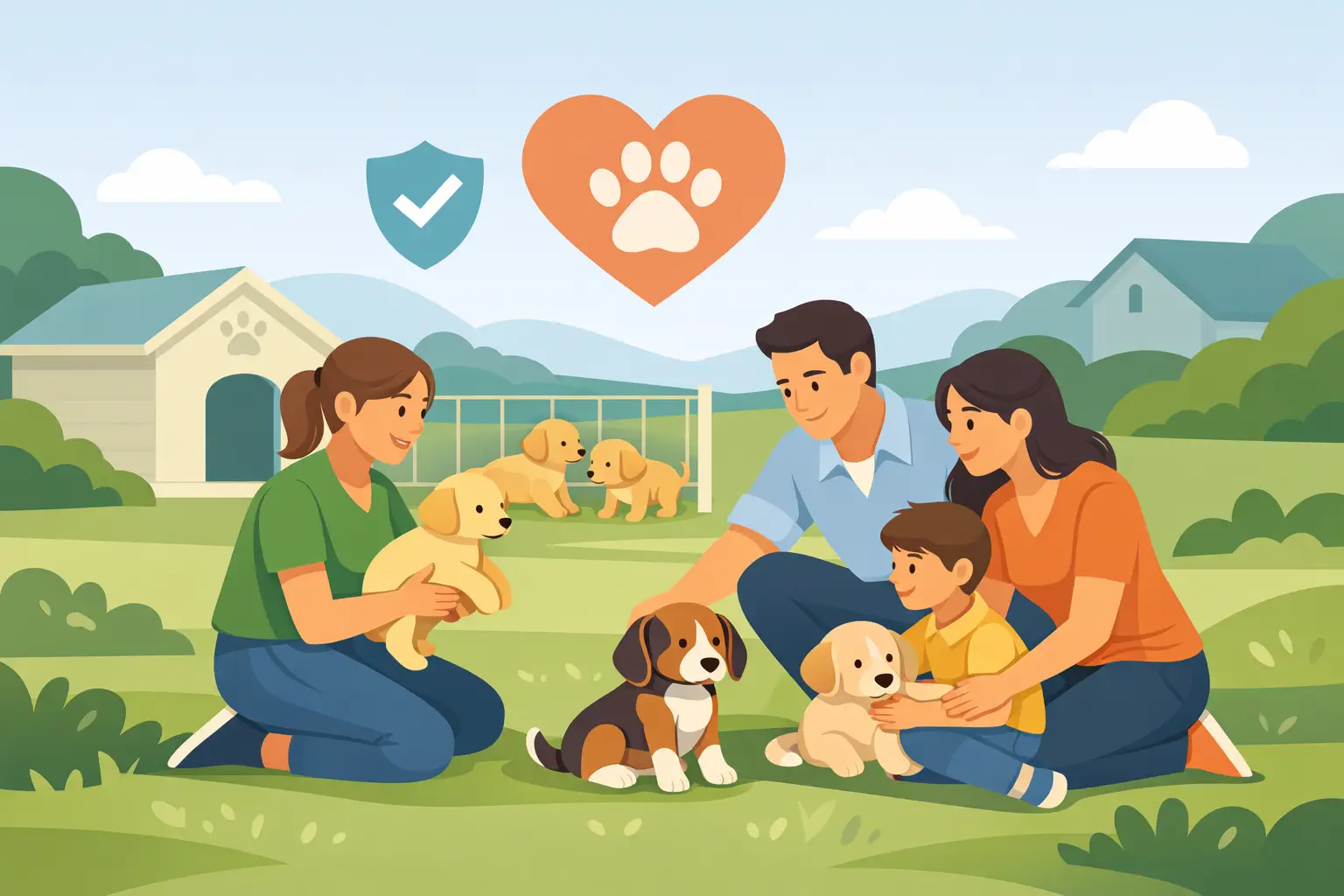
A puppy’s first eight weeks shape far more than the photos you will treasure. They influence how confidently that puppy meets new people, settles into a home, handles grooming, and learns to trust. That is why ethical puppy breeding practices matter so deeply to families. A responsible breeder is not simply producing puppies. They are making careful, long-term decisions for each dog in their care and for the families who will love those puppies for years to come.
For families looking for an Australian Labradoodle, the goal is often a friendly, intelligent, low-shedding companion with a stable, people-focused temperament. Those qualities do not happen by accident. They begin with healthy parents, thoughtful planning, hands-on early care, and a breeder who remains accountable after a puppy leaves.
What Ethical Puppy Breeding Practices Look Like
Ethical breeding begins with the adult dogs. A breeder should know each dog well, including its physical health, temperament, pedigree, and ability to live comfortably as part of a family. Dogs should be raised in clean, caring environments with appropriate exercise, veterinary care, affection, and time to simply be dogs.
Health testing is a central part of responsible breeding, but it should never be treated as a single checkbox. Reputable breeders use appropriate genetic screening and health evaluations to make informed pairing decisions and reduce the risk of passing on known inherited concerns. They also pay attention to the health history behind a dog, not only one test result.
No breeder can promise that a living animal will never face a health issue. Genetics are complex, and puppies are not manufactured products. What ethical breeding does provide is a meaningful commitment to reducing avoidable risks, being transparent about health information, and making decisions with the puppy’s lifelong welfare in mind.
Temperament deserves the same careful attention. The most appealing coat color or the smallest puppy should never outweigh a dog’s emotional stability, friendliness, and ability to cope with ordinary family life. For Australian Labradoodles, breeders should prioritize the gentle, responsive qualities that make the breed so well suited to companionship, children, and many therapy-minded homes.
The Mother Dog’s Welfare Comes First
A breeder’s standards are often easiest to see in the way they care for their mothers. Pregnancy, whelping, and raising puppies require tremendous physical and emotional energy. Ethical breeders do not overbreed their dogs or treat them as a source of inventory. They plan litters carefully, give mothers time to rest and recover, and retire them when continuing to breed is no longer in their best interest.
A mother dog should receive quality nutrition, regular veterinary oversight, a safe place to deliver, and calm support throughout the process. She should also have a life beyond her litter. This may mean living as a beloved family dog or, in a well-managed guardian home program, living full-time with a carefully selected family while remaining connected to the breeder’s health and breeding standards.
Guardian home programs can be a thoughtful option when they are built around the dog’s needs. The arrangement should be clear, respectful, and designed to give the dog a stable family life rather than asking her to move through stressful or unclear circumstances. Like every breeding model, the details matter.
Early Raising Is More Than Keeping Puppies Clean
The best early environment is not necessarily the quietest one. Puppies need safety, cleanliness, warmth, and rest, but they also benefit from gentle, age-appropriate exposure to the normal rhythms of home life. Thoughtful early socialization can include positive handling, household sounds, different surfaces, short car rides when appropriate, grooming preparation, and calm interaction with caring adults and children.
This is especially valuable for families who want a puppy that can transition smoothly into an active home. A puppy that has been lovingly handled from birth and introduced gradually to new experiences may be better prepared to build confidence with its new family. Still, early socialization is a foundation, not a finished product. The first months at home remain a critical period for training, safe outings, bonding, and continued positive exposure.
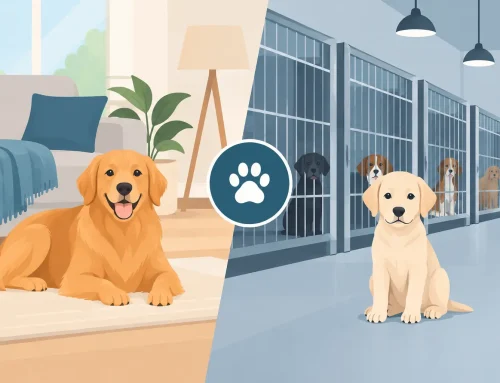
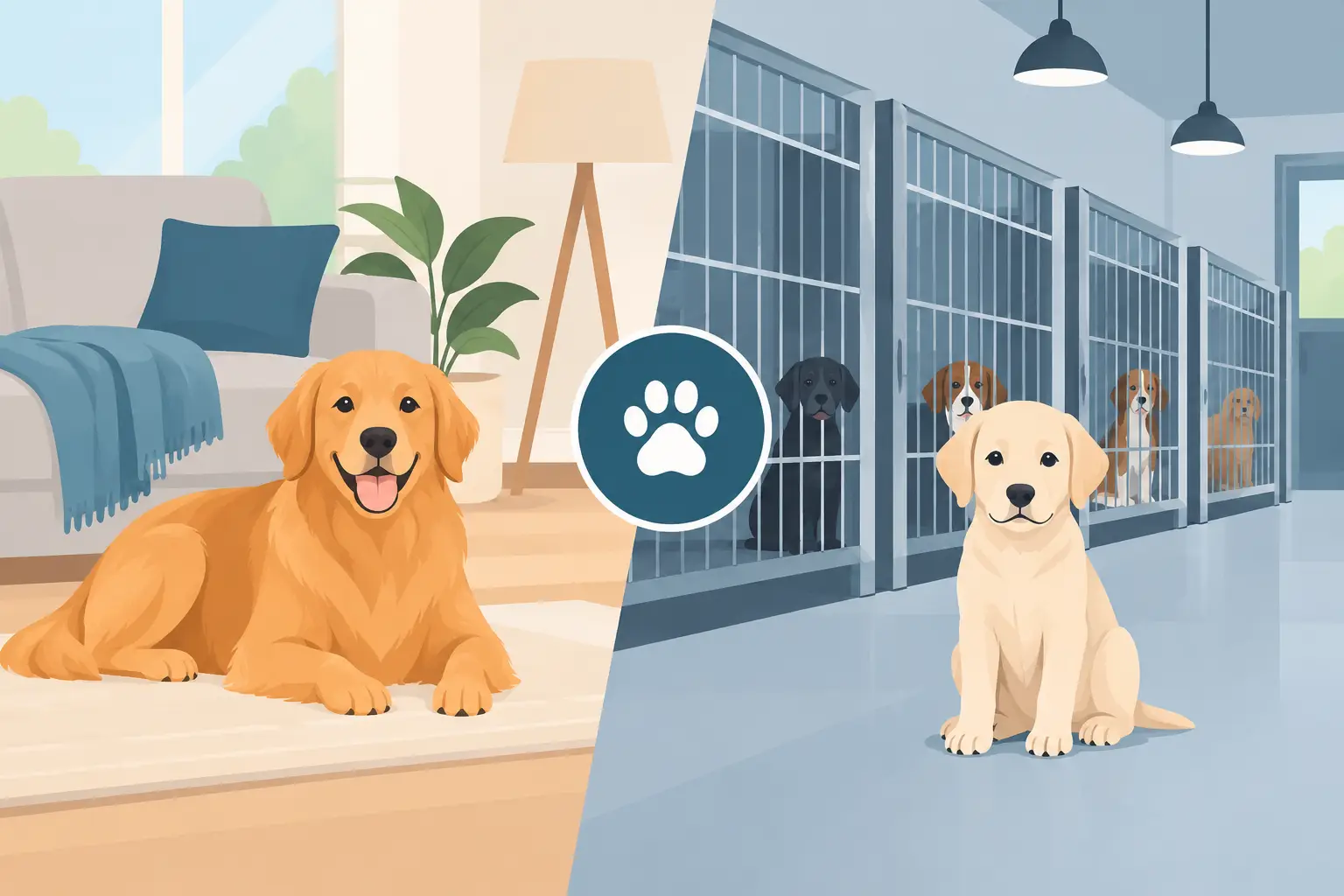
An in-home setting can support this kind of preparation because puppies experience everyday household activity from the beginning. However, the label alone is not enough. Families should ask how puppies are supervised, where they sleep, what sanitation routines are used, how they are introduced to new experiences, and how each puppy’s individual personality is observed.
Matching Puppies to Families With Care
Ethical breeders do not simply match puppies by color, gender, or the order in which deposits arrive. Those preferences can matter, but the right fit often depends on energy level, confidence, sensitivity, household routine, children, other pets, and a family’s experience with dogs.
A breeder who spends time with each litter can help guide this decision. The boldest puppy may thrive with an active, experienced family. A more observant puppy may be a wonderful match for a quieter home that will patiently build confidence. There is no “best” puppy in a litter, only the puppy whose needs and personality align with a family’s lifestyle.
Families should also be prepared for honest conversations. A responsible breeder may ask about work schedules, fencing, travel plans, training expectations, allergies, and whether everyone in the household is ready for the daily commitment. These questions are not barriers. They are signs that the breeder wants every puppy placement to succeed.
Transparency Should Feel Clear, Not Complicated
Families deserve straightforward information before bringing home a puppy. A responsible breeder should be willing to discuss parent dogs, health testing, the puppy’s early routine, feeding guidance, vaccination and deworming records, and next steps for veterinary care. They should also explain their contract and health guarantee in language buyers can understand.
Be cautious of pressure to make a rushed decision, vague answers about where puppies are raised, or claims that sound too perfect. Terms such as “hypoallergenic” and “non-shedding” should be discussed honestly. Many Australian Labradoodles have low-shedding coats, which can be a wonderful fit for many homes, but no dog can guarantee an allergy-free experience for every person.
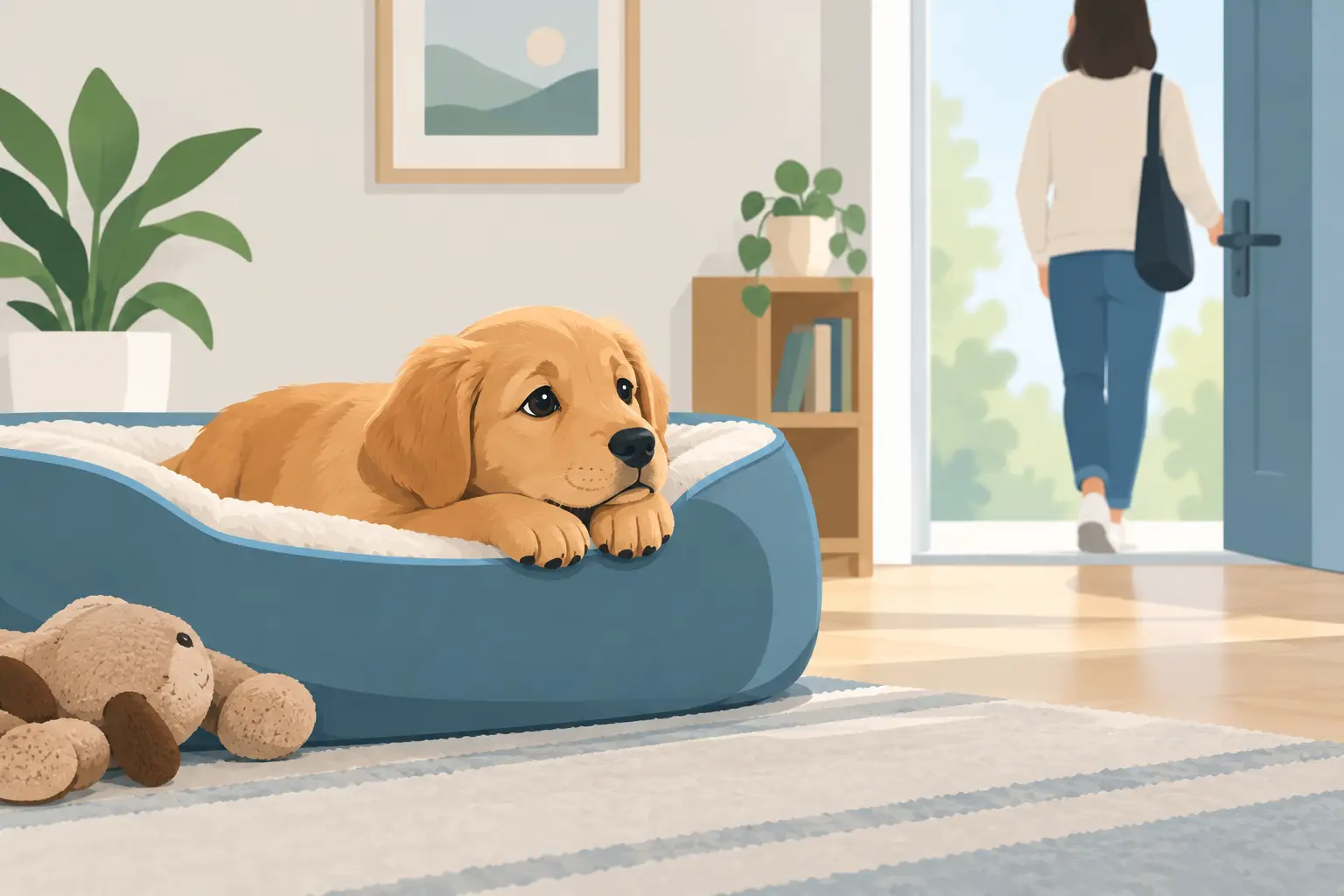
Transparency also includes acknowledging the work ahead. Even a wonderfully raised puppy will need patience with house training, chewing, crate training, leash skills, grooming, and settling into a new routine. A trustworthy breeder prepares families for the joyful moments and the normal challenges.
Support After Pickup Is Part of Responsible Breeding
The relationship should not end in the parking lot on pickup day. Ethical breeders provide a thoughtful transition plan and remain available for reasonable questions as families adjust. Guidance on feeding, grooming, training, socialization, and early veterinary visits can help first-time owners feel capable from the start.
At Providence Hill Australian Labradoodles, we believe education is part of caring for the puppy long after the litter has gone home. Families benefit from knowing what to expect, and puppies benefit when their people feel prepared to meet their needs consistently.
Long-term responsibility also means having a plan if a family can no longer keep a dog. Circumstances can change through illness, relocation, or hardship. A responsible breeder cares about where their dogs end up throughout their lives and should be willing to help guide rehoming decisions rather than allowing a dog to become someone else’s problem.
Questions Worth Asking a Breeder
Before choosing a puppy, ask how the breeder selects parent dogs and what health testing has been completed. Ask where the puppies are raised, how they are socialized, how often mothers are bred, and how the breeder matches puppies with homes. You can also ask what support is available after pickup and what happens if your family ever cannot keep the dog.
Listen not only for the answers but for the willingness to have the conversation. A breeder who welcomes thoughtful questions is showing respect for you, your future puppy, and the responsibility you are both taking on.
The right puppy begins with a breeder whose care is visible before you ever meet a litter. Choose the person who talks openly about health, knows each dog as an individual, and wants to help your family build a loving relationship that lasts a lifetime.