Bringing home a dog usually means one simple path – your puppy grows up as your family pet and stays with you for life. A guardian arrangement is a little different, which is why many families ask, what is a guardian home program, and how does it actually work in real life?
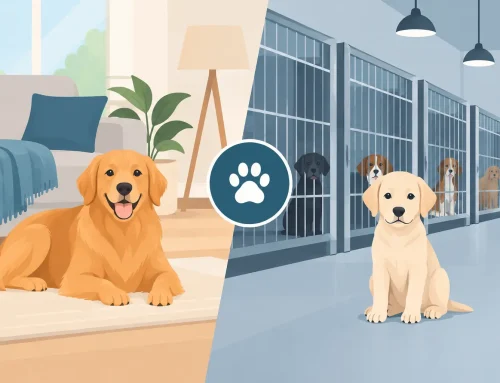
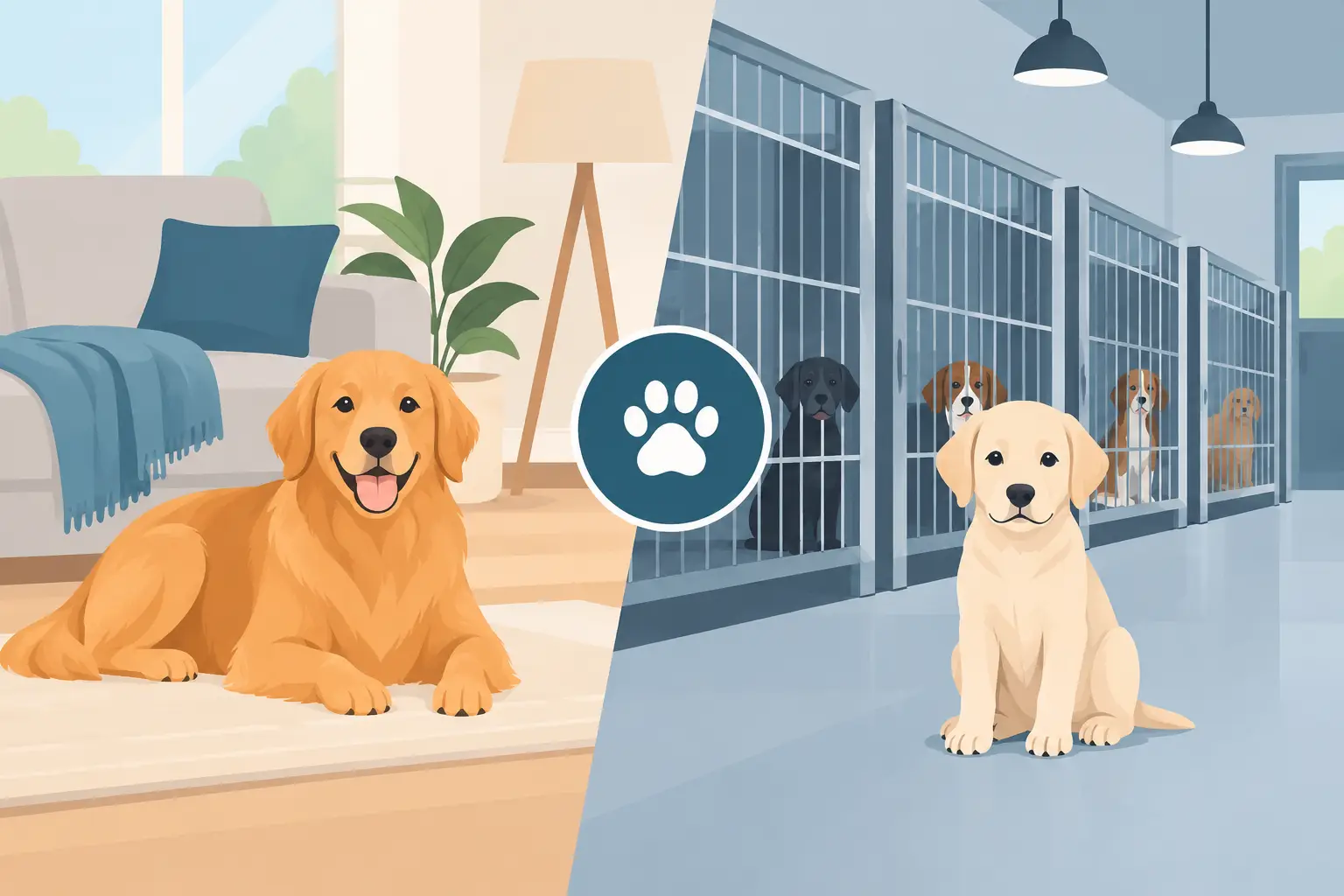
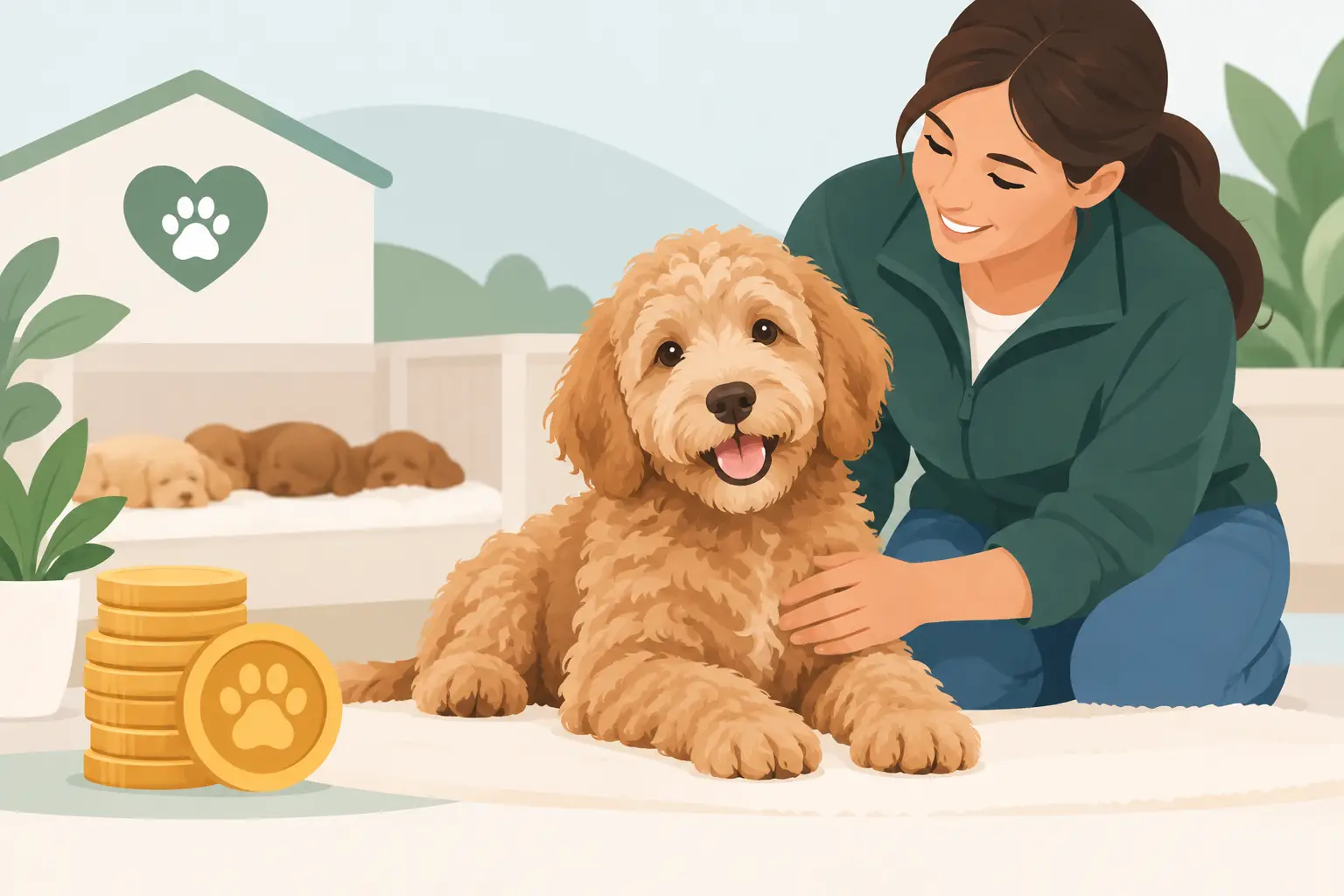
A guardian home program allows a carefully chosen breeding dog to live full-time with an approved family instead of living in a kennel or large breeding facility. The dog is placed in a loving home as a family companion, while the breeder keeps breeding rights for a set period of time. After the dog has completed the agreed breeding career, those rights are transferred fully to the guardian family, and the dog remains their pet.
For many families, this setup offers the best of both worlds. They welcome a high-quality dog into their home, and the breeder can continue a thoughtful, responsible breeding program without asking dogs to live outside a family setting. When handled properly, it is a relationship built on trust, communication, and shared care for the dog.
What is a guardian home program meant to do?
At its heart, a guardian home program is designed to support ethical, in-home breeding. Rather than keeping every breeding dog in one location, the breeder places select dogs with families who can provide daily attention, socialization, structure, and affection.
That matters because a dog who lives as part of a household gets the experiences most families want for any companion dog. The dog learns routines, bonds with people, and grows up in a home environment. For breeds like Australian Labradoodles, where temperament, adaptability, and human connection are such an important part of the breed’s value, that family setting is especially meaningful.
From the breeder’s side, the program makes it possible to preserve strong lines, health standards, and temperaments without expanding into a more commercial model. From the family’s side, it can be an opportunity to receive a wonderful dog while partnering in a process that prioritizes responsible breeding.
How a guardian home program usually works
Every breeder structures things a little differently, so the details matter. In most cases, the family is approved through an application and interview process, just as they would be when applying for a puppy. The breeder chooses a dog with breeding potential and places that dog in the guardian home.
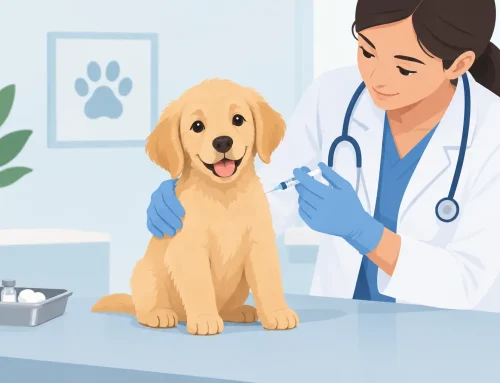
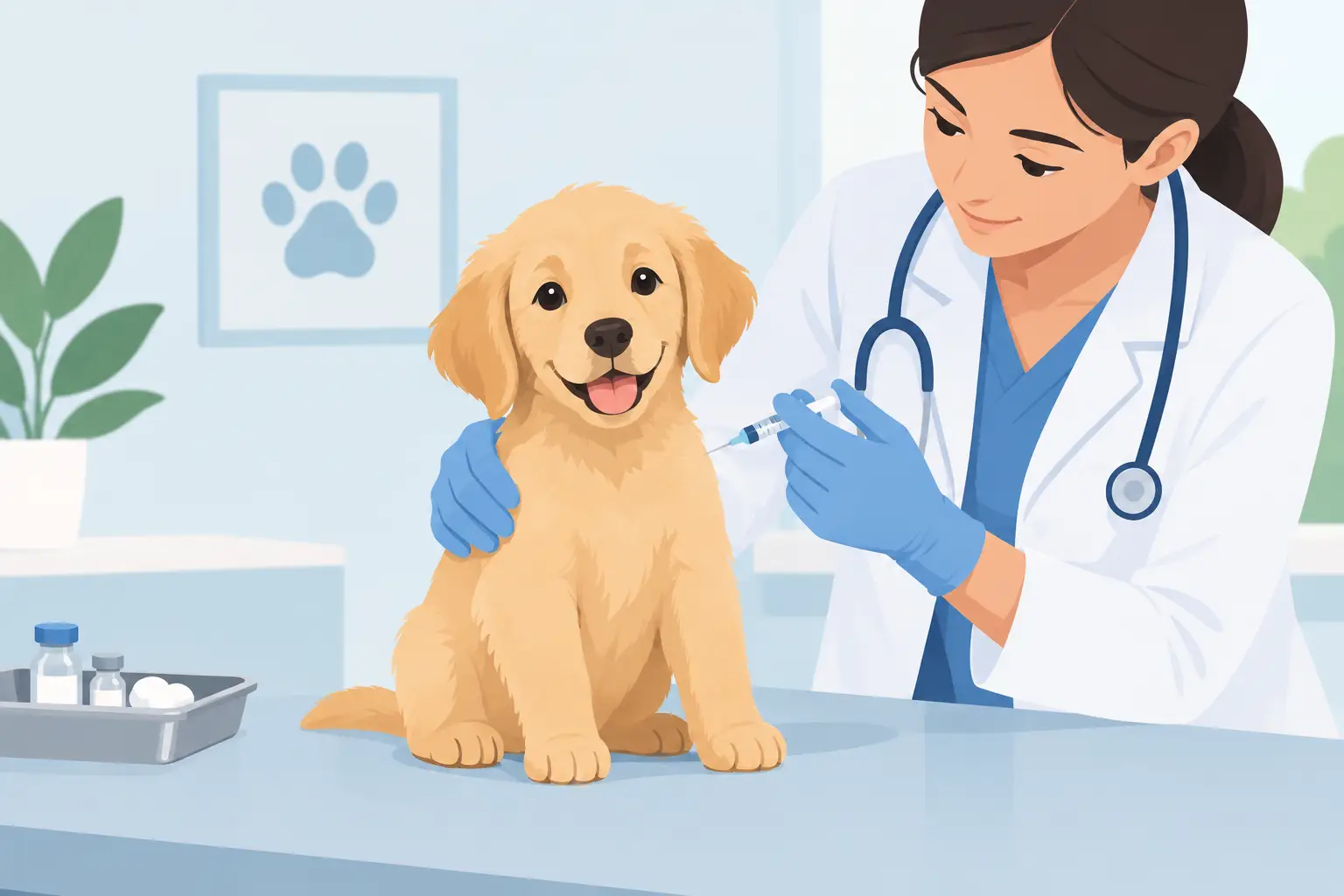
The guardian family typically raises the dog as their own pet. They handle everyday care such as training, grooming, exercise, feeding, and routine veterinary visits, depending on the agreement. The breeder generally retains breeding rights and remains involved in health testing, breeding decisions, and reproduction-related care.
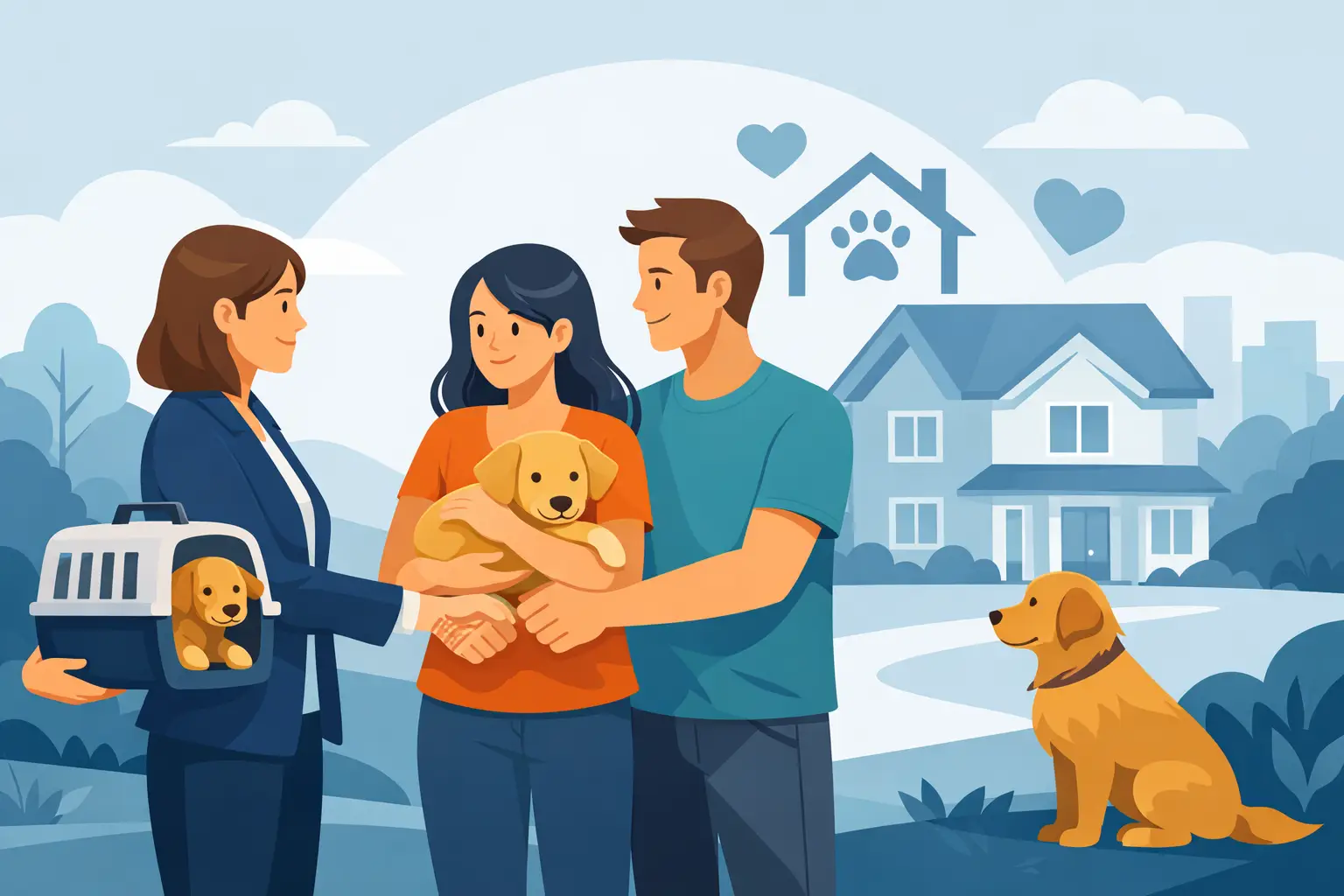
If the dog is female, she returns to the breeder for heat cycles, breeding, whelping, and nursing during agreed periods. If the dog is male, the commitment is often simpler, though he may need to be available for scheduled breedings. Once the dog has completed the number of litters or breedings outlined in the contract, the dog is spayed or neutered, and full ownership is transferred to the guardian family.
This sounds straightforward, but the lived experience depends heavily on communication. A good guardian program should spell out expectations clearly from the beginning, including who pays for what, how often the dog may be needed, how transportation is handled, and what happens if circumstances change.
Why some families are drawn to it
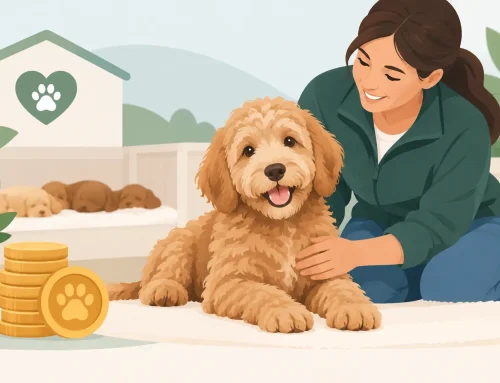
For the right household, a guardian arrangement can be very appealing. Often, the family receives a pick-quality dog at a reduced cost or with different financial terms than a traditional pet purchase. That can make a premium dog more accessible while still supporting a carefully managed breeding program.
There is also a values piece. Many families like knowing their dog comes from a breeder who does not rely on kennel-style housing for breeding dogs. They want to support a program where dogs are raised in homes, known personally, and cared for as companions first.
Some people are also drawn to the close relationship with the breeder. First-time dog owners, in particular, may appreciate extra guidance on nutrition, training, development, and health. When the relationship is healthy, a guardian home can feel less like a transaction and more like an ongoing partnership centered on the dog’s well-being.
What families should think through honestly
Guardian homes are not for everyone, and that is perfectly okay. The biggest question is whether your family is comfortable sharing certain rights and decisions with the breeder for a period of time.
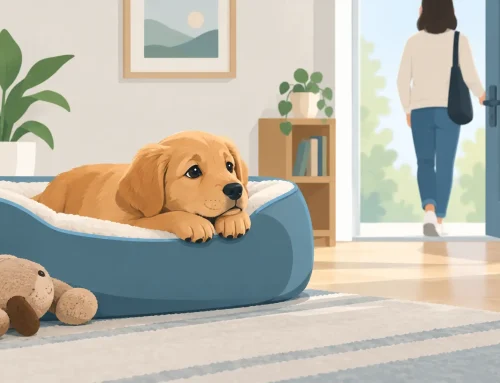
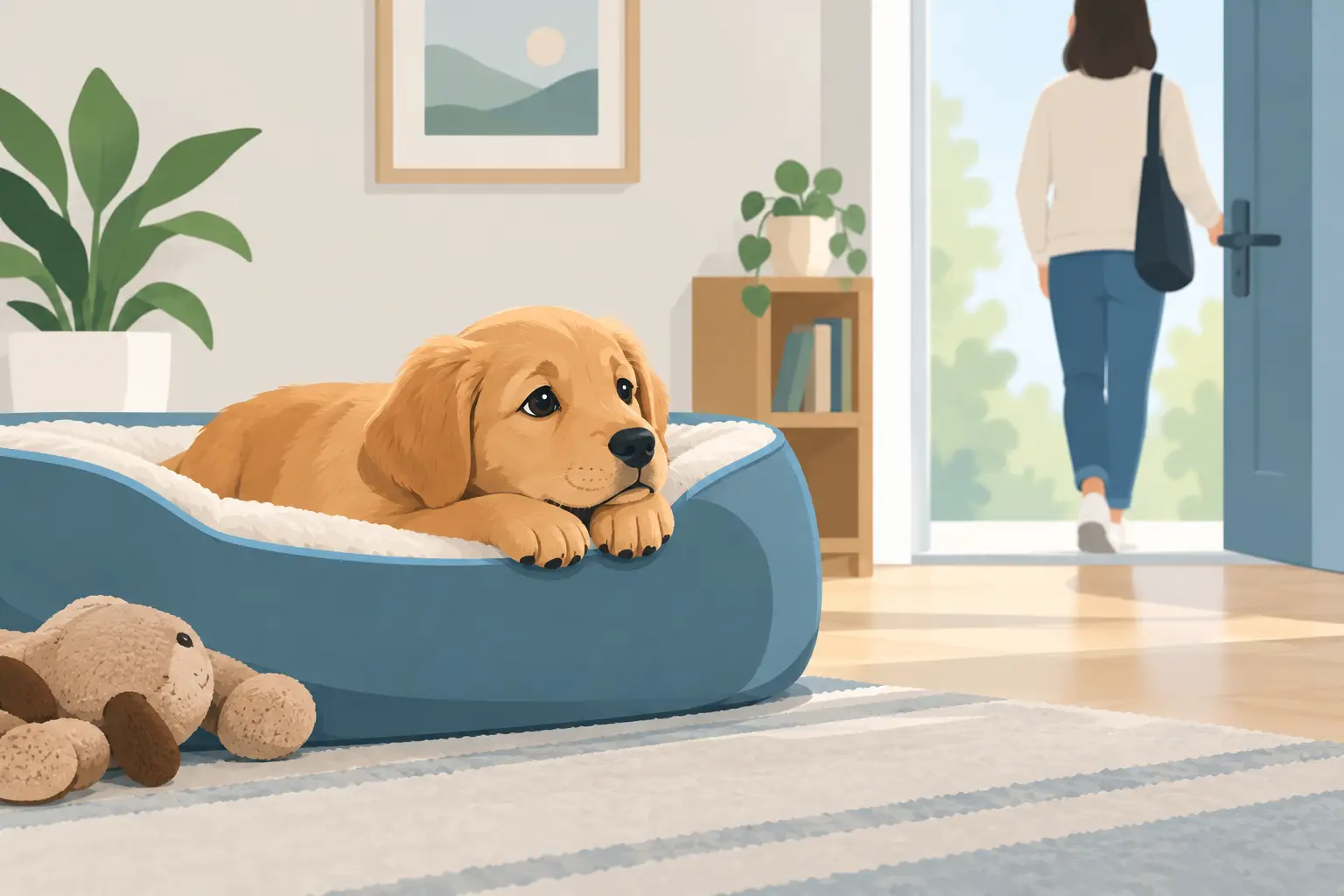
If you are the type of owner who wants total independence from day one, this setup may feel restrictive. A female dog may need to leave your home during parts of the breeding process, and that can be emotional. Even if you fully support the arrangement, it is still your dog, and temporary separation can be hard.
Timing is another factor. Families need to be flexible enough to accommodate health testing, breeding schedules, and related appointments. Life with children, work travel, or frequent moves can make that more challenging. A guardian home works best when the household is stable, responsive, and able to stay in close contact with the breeder.
It also helps to think about your comfort level with the practical side of breeding. You do not need to become an expert breeder, but you do need to understand what the dog may experience and what your role will be.
Questions to ask before joining a guardian home program
If you are considering one, the contract should never feel vague. A trustworthy breeder will welcome questions and answer them directly.
Ask who legally owns the dog during the program and when ownership transfers. Ask how many litters a female may have or how long a male may be used for breeding. Ask who covers reproductive care, health testing, emergency veterinary costs related to breeding, and routine care unrelated to breeding.
You should also ask how often the dog will need to be away from your home and for how long. If transportation is involved, clarify who handles that. It is wise to ask what happens if the dog does not pass health testing, develops a condition that prevents breeding, or if your family has a major life change.
A good agreement protects everyone, but especially the dog. If answers feel unclear, overly casual, or rushed, that is worth paying attention to.
What is a guardian home program in an ethical breeding model?
In an ethical breeding model, a guardian home program is not a shortcut to produce more puppies. It should be a deliberate way to raise breeding dogs in loving homes while maintaining high standards for health, temperament, and care.
That means the breeder should be highly selective about which dogs enter the program and highly selective about which families are approved. It also means the dog should never be treated like a product. The dog’s physical health, emotional stability, and long-term placement should be central at every stage.
Responsible breeders also know that not every promising puppy will ultimately become part of the breeding program. Health testing, maturity, temperament, and structure all matter. Sometimes a dog placed as a potential guardian dog may not move forward in breeding, and the agreement should explain what happens then.
This is one reason trust matters so much. Families need confidence that decisions are based on the dog’s best interest, not pressure to meet breeding goals.
Is a guardian home program right for your family?
The best guardian homes tend to be families who truly want the dog first. They are excited about raising a companion, committed to training and daily care, and comfortable with a breeder remaining involved for a defined period.
It can be a strong fit for people who are home often, enjoy structure, and value an ongoing relationship with their breeder. It may be less ideal for households that expect frequent relocation, want complete control over every decision, or know that temporary separations would be too difficult.
For families who want an Australian Labradoodle and appreciate responsible, in-home breeding, a well-run guardian home arrangement can be a beautiful option. At Providence Hill Australian Labradoodles, that kind of program reflects something simple but important: breeding dogs deserve to be deeply loved family dogs, too.
If you are considering this path, take your time. Ask careful questions, read every detail, and choose a breeder whose standards make you feel calm, informed, and fully respected. The right guardian home program should leave you feeling not pressured, but confident about the life your dog will have with you.