
A puppy can change the rhythm of a home fast. One week you are talking about names and where the crate should go, and the next you are planning potty breaks, nap schedules, and who is on chew toy duty. That is why choosing the best puppies for families is not really about picking the cutest face. It is about finding a puppy with the temperament, health background, and energy level that fits real family life.
What makes the best puppies for families?
Families usually start by asking about breed, but breed is only part of the picture. The best family puppy is one that can grow into a stable, affectionate, trainable companion. That means temperament matters as much as appearance, and responsible breeding matters as much as breed popularity.
A family-friendly puppy should be people-oriented, adaptable, and able to handle everyday household activity without becoming overwhelmed. In a home with children, guests, sports schedules, and changing routines, that balance is essential. You want a puppy that enjoys interaction, responds well to guidance, and has the right foundation for confidence.
Health matters just as much. A puppy from carefully screened parents gives families more predictability, not just in appearance but in long-term well-being. That includes genetic testing, sound structure, and early care during the first weeks of life. Families are not simply choosing a dog for today. They are choosing a companion they hope to love for many years.
Breed matters, but lifestyle matters more
Some breeds are widely recognized as great with families, and for good reason. Labrador Retrievers are social, eager to please, and active. Golden Retrievers are gentle and affectionate. Cavalier King Charles Spaniels are often sweet and devoted in smaller homes. Poodles are intelligent and trainable, with lower-shedding coats that appeal to many households.
Still, even a wonderful breed can be the wrong match if the household is not prepared for its needs. A very high-energy puppy may frustrate a busy family that wants a calm companion. A breed with heavy shedding may be difficult for a household sensitive to dander or committed to lower-maintenance cleanup. A dog that bonds well with one adult but is less tolerant of noise may not be ideal in a home with young children.
That is why broad breed labels should never be the final decision-maker. Families do better when they ask a more practical question: what kind of dog will fit our home on an ordinary Tuesday?
Why Australian Labradoodles are often among the best puppies for families
For many households, Australian Labradoodles check a lot of the right boxes. They are widely loved for their friendly temperament, intelligence, and low-shedding coats. Just as important, when they are bred carefully and raised in a home environment, they tend to transition well into family life.
Australian Labradoodles are known for being social without being overly intense. They often enjoy children, connect closely with their people, and respond well to training. That combination can make daily life easier for first-time dog owners who want a puppy that is both loving and manageable.
Their coat is another major reason families consider them. No dog is truly allergen-free, but a low-shedding coat can make a meaningful difference in many homes. Families often want a puppy that is easier on the house, easier on clothing and furniture, and a better fit for those with mild sensitivities.
There is also a reason this breed is often associated with therapy and service potential. Many Australian Labradoodles are bred specifically for stable, people-focused temperaments. That does not mean every puppy will have the exact same personality, but it does mean thoughtful breeding can support the qualities families value most: gentleness, confidence, and trainability.
Temperament is not an accident
When families picture the perfect puppy, they usually imagine one that is playful with children, calm enough to settle, and eager to learn. Those traits do not happen by chance. They come from a combination of genetics, early socialization, and the care provided by the breeder before the puppy ever goes home.
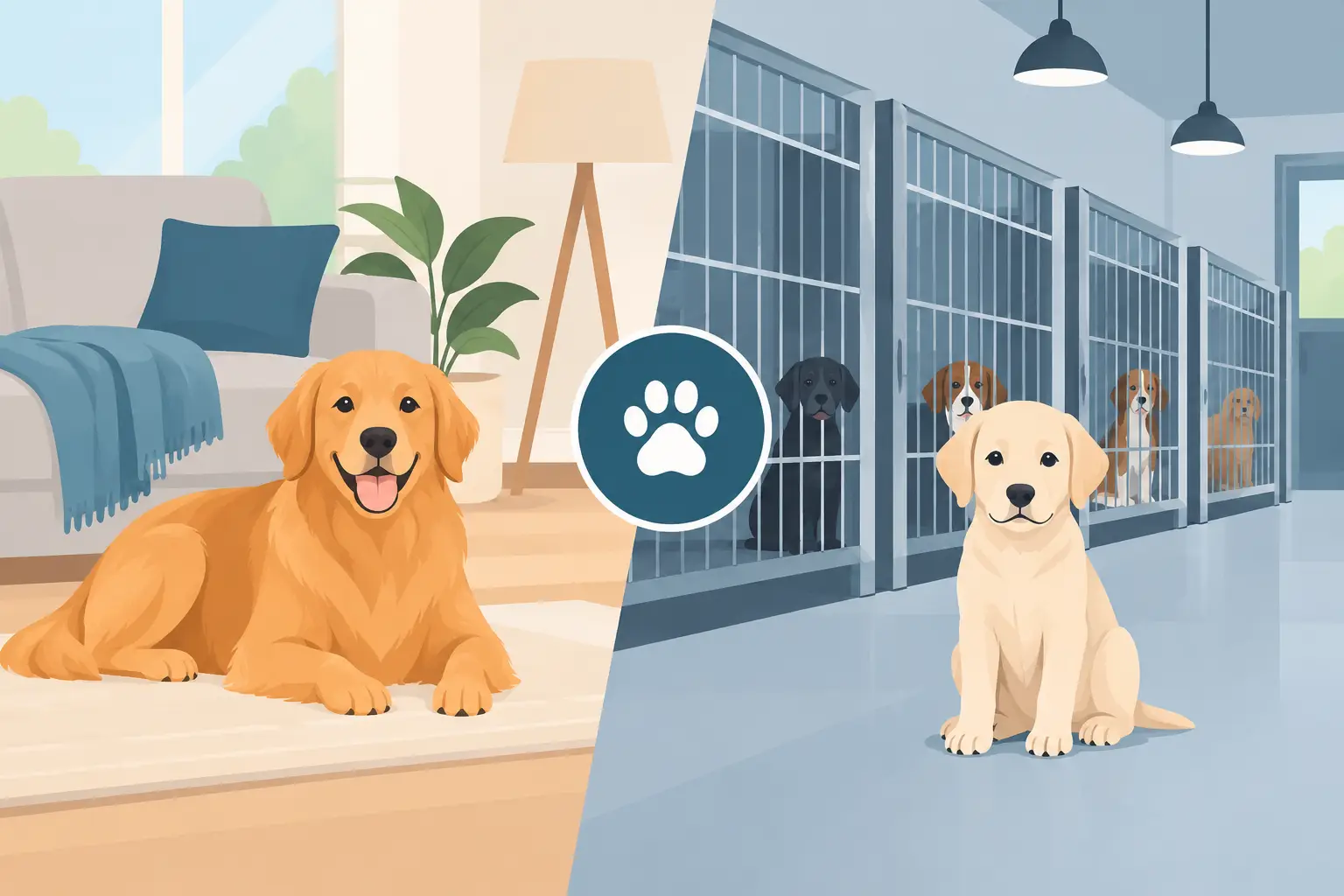
This is where a responsible breeder makes a real difference. Puppies raised in an in-home setting are exposed to normal household sounds, human interaction, handling, and early routines. That kind of start helps shape resilience. It can reduce stress during the transition to a new home and give families a puppy that is better prepared for everyday life.
Good breeders also pay close attention to matching. Not every puppy in a litter is the same. Some are more laid-back, some more adventurous, and some more sensitive. A family with toddlers may need a different temperament than a retired couple with frequent visitors. Matching based on personality is one of the smartest ways to improve the puppy-to-family fit.
What families should ask before choosing a puppy
If you are comparing breeds or breeders, focus on a few questions that get beyond marketing language. Ask how the parent dogs are health tested. Ask how the puppies are socialized in the first weeks of life. Ask what kind of temperament the breeder is aiming for and how they evaluate each puppy before placement.
It also helps to ask about support after pickup day. Families often need guidance with food transitions, crate training, sleep schedules, grooming, and early obedience. A breeder who stays involved after the puppy goes home is offering more than a sale. They are helping set the family up for success.
This is especially important for first-time dog owners. A well-bred puppy is a strong start, but families still need clear, practical support. Confidence grows when someone can help answer the small questions before they become frustrating ones.
The trade-offs families should think about honestly
There is no perfect breed for every home. Every puppy comes with needs, and family life works best when expectations are realistic.
Low-shedding coats, for example, are appealing to many families, but they usually require regular grooming. Intelligent puppies are easier to train in many ways, but they also need engagement and structure. A social dog may be wonderful with children and guests, but still need help learning calm manners and boundaries.
Energy level is another area where honesty matters. Many families say they want an active dog, but what they really want is a dog that enjoys a walk, likes to play, and can relax afterward. That is different from a dog that needs intense daily exercise or constant stimulation. The best choice is not the dog with the most impressive traits on paper. It is the one whose needs match your actual routine.
Choosing with confidence, not pressure
The puppy search can feel overwhelming because there is so much noise online. Families see adorable photos, trendy breed names, and big promises. What matters more is consistency, transparency, and trust.
A strong breeder will be clear about health standards, honest about coat and grooming expectations, and focused on temperament as much as appearance. They will welcome thoughtful questions. They will care where their puppies go. And they will understand that families are not just buying a dog. They are making a long-term decision that affects children, routines, travel, and daily life.
For many East Coast families, that is why a carefully bred Australian Labradoodle stands out. With the right breeder, the right early development, and the right match, this breed can offer the affectionate personality, trainability, and family-centered companionship that so many homes are looking for. Providence Hill Australian Labradoodles has built its approach around that exact standard.
A family puppy should feel like a good fit from the start
The best puppies for families are not simply adorable. They are healthy, thoughtfully bred, well-socialized, and matched with care. When those pieces come together, a puppy does more than join the household. It grows into the kind of companion that settles into the daily life of the family and becomes part of it.
If you are choosing a puppy for your home, trust the process enough to look past the photo and ask better questions. The right puppy should bring joy, yes, but also confidence that you are starting with the strongest foundation possible.