The day you bring home a puppy, you are thinking about first cuddles, introducing the family, and where the crate will go. You should also understand the health guarantee for puppies before that day arrives. A thoughtful guarantee gives families a clear picture of what a responsible breeder stands behind, what health information has been documented, and what each party should do if a serious concern arises.
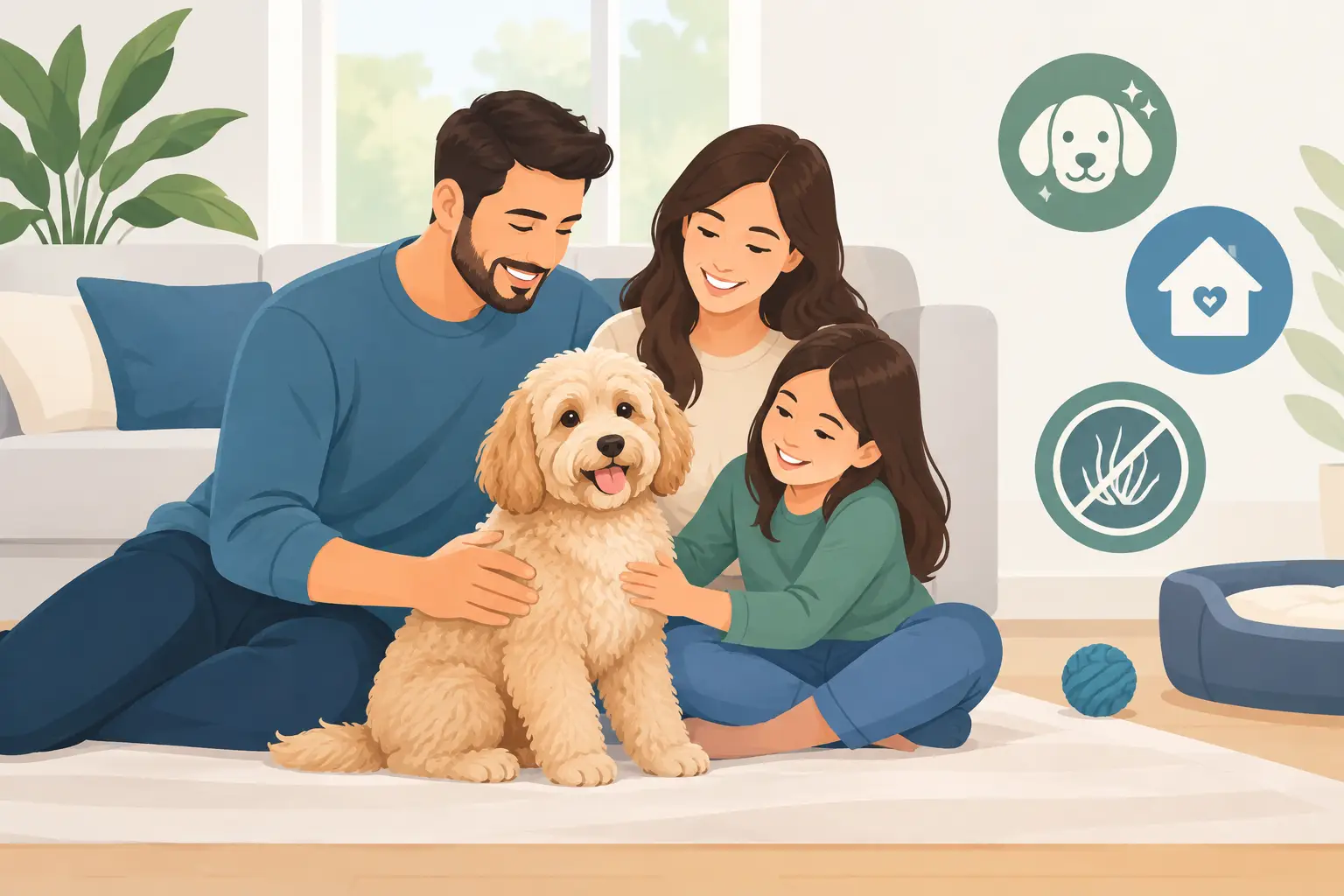
For a family choosing an Australian Labradoodle, this clarity matters. You are making a long-term commitment to a dog who will share your home, routines, holidays, and likely a favorite spot on the couch. A health guarantee cannot promise that a puppy will never become ill, but it can reflect the care, genetic planning, and accountability behind responsible breeding.
What a Health Guarantee for Puppies Should Mean
A health guarantee is a written agreement between the breeder and the puppy’s new family. It generally addresses certain inherited or congenital conditions that may not be visible when a puppy first goes home. It should explain the length of coverage, the conditions included, the medical documentation required, and the available remedy if a covered condition is diagnosed.
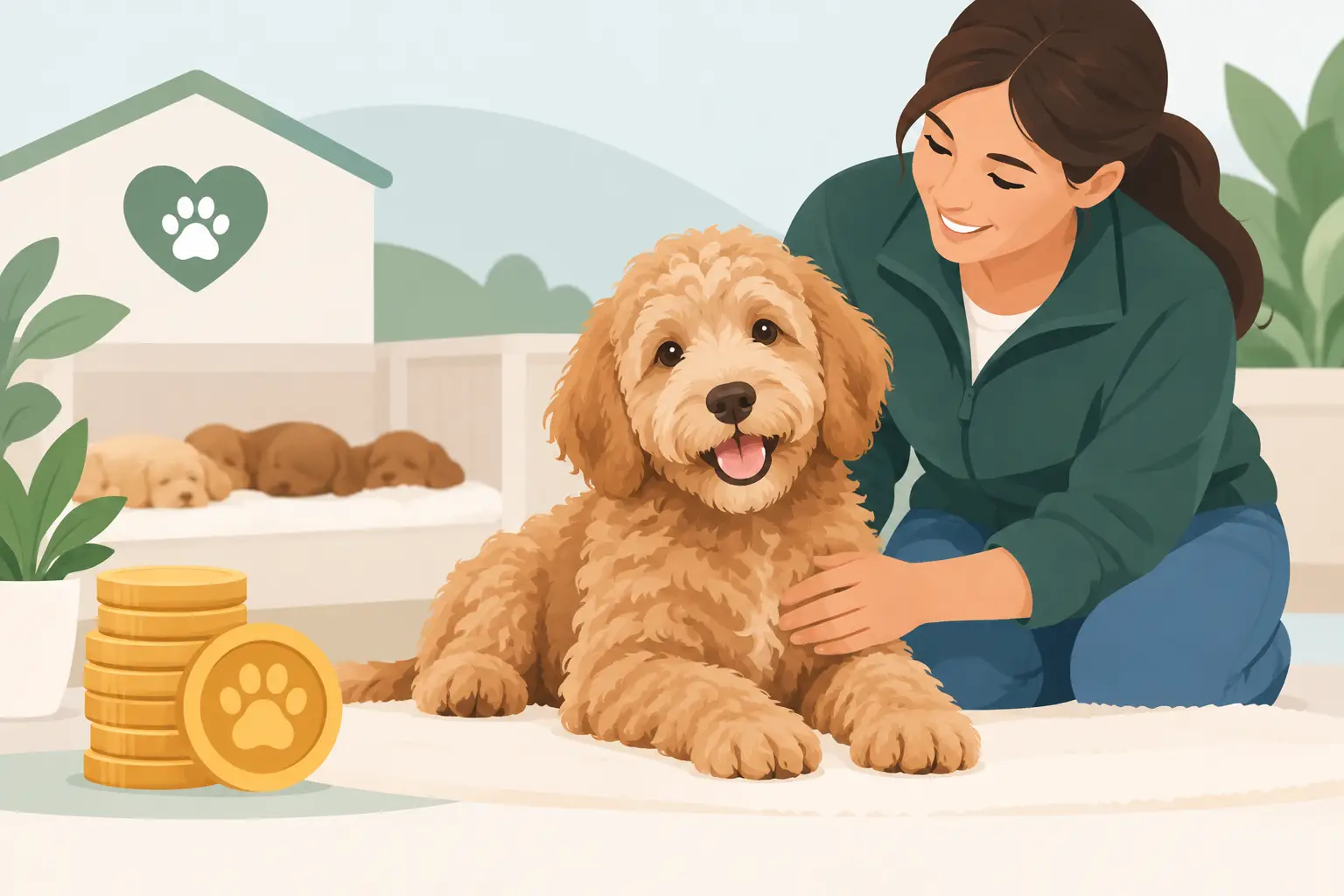
The most reassuring guarantees are connected to meaningful health practices, not simply a page of legal language. Before breeding, responsible breeders use appropriate health screening to make informed decisions about the dogs in their program. Depending on the breed and bloodlines, that may include genetic testing as well as evaluations related to hips, elbows, eyes, heart health, or other inherited concerns.
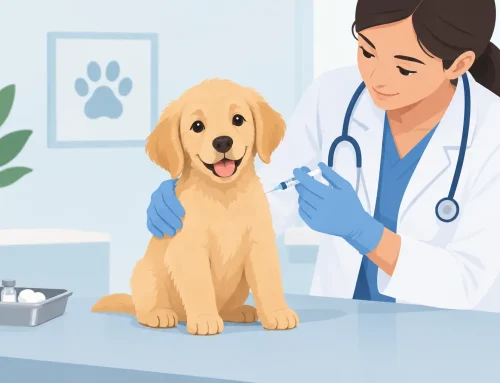
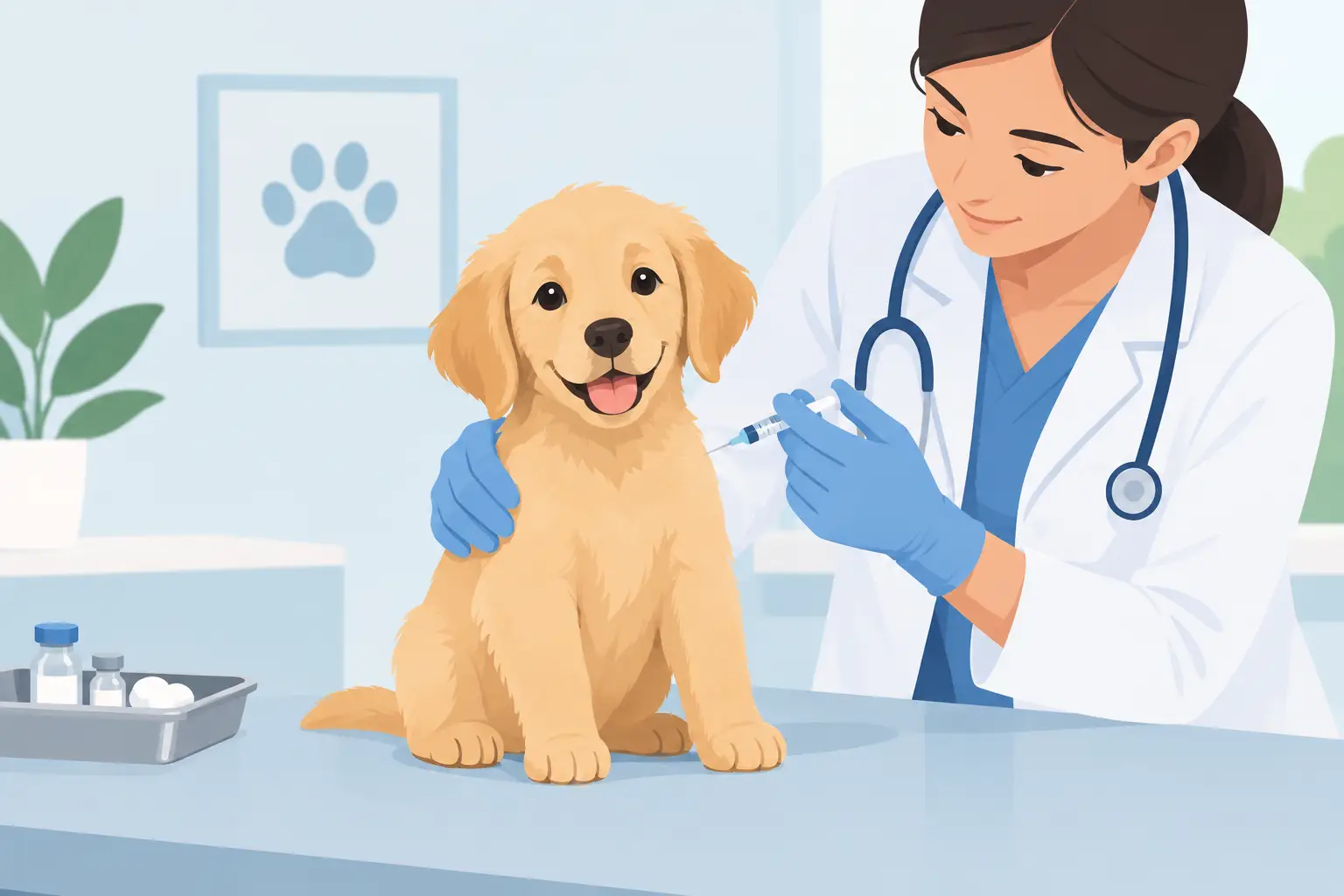
A guarantee also begins with the puppy’s immediate health. Puppies should receive veterinary attention, age-appropriate vaccinations and deworming, and a careful wellness check before going home. Families should receive records that make it easy for their own veterinarian to continue the puppy’s care.
Just as important, a health guarantee should be easy to read. If the terms seem vague, overly restrictive, or difficult to discuss, ask questions before placing a deposit. A breeder who values lifelong homes should welcome a careful conversation.
What a Guarantee Cannot Promise
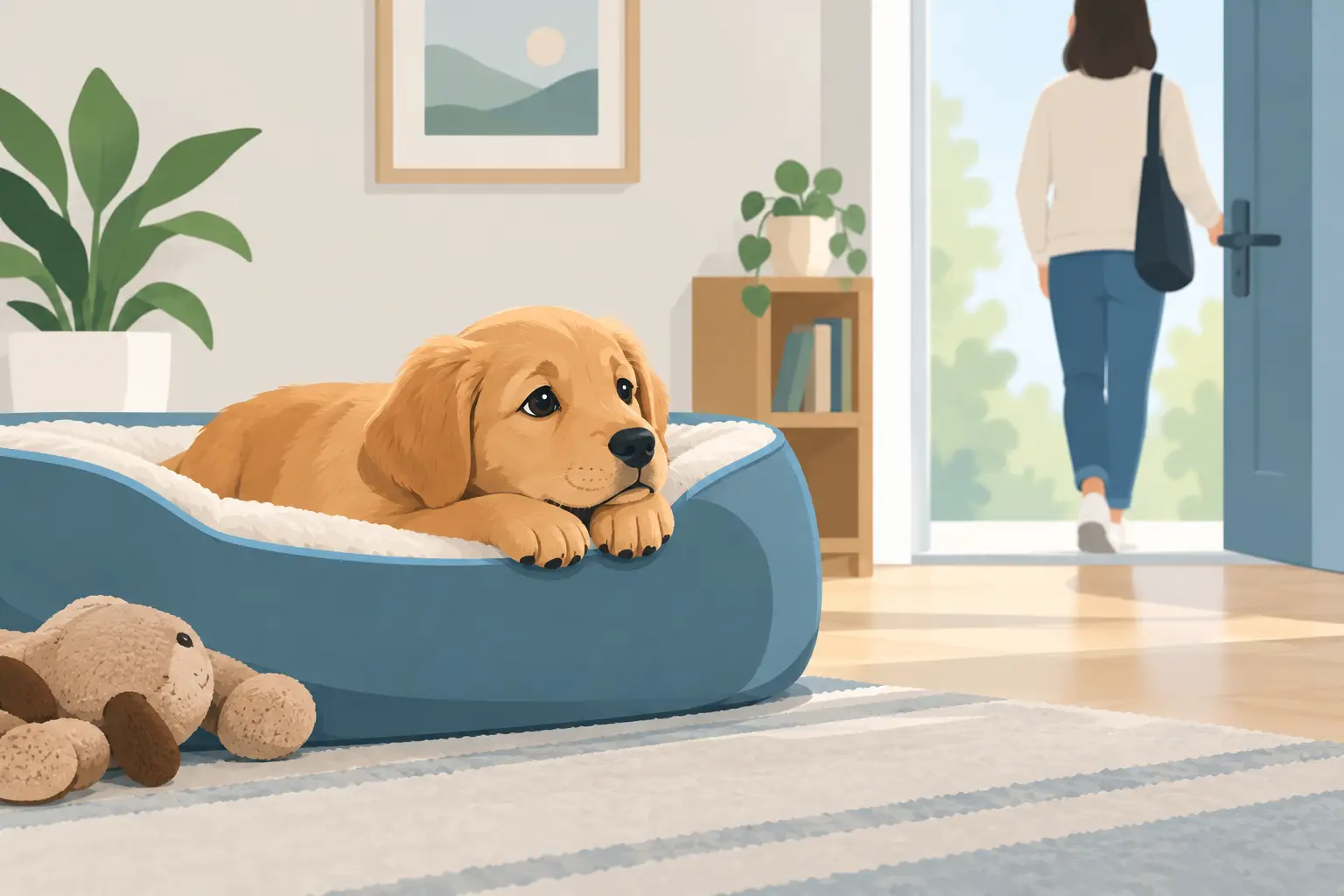
Even exceptionally well-bred puppies are living animals, not products with predictable outcomes in every circumstance. A health guarantee does not eliminate normal puppy challenges such as an upset stomach after a change in food, parasites picked up outdoors, an ear infection, or an injury from an enthusiastic leap off the sofa.
It also cannot replace routine preventive care. Vaccinations, parasite prevention, a balanced diet, exercise suited to a growing dog, grooming, and regular veterinary visits all shape a puppy’s health over time. Genetics matter, but daily care matters too.
Temperament deserves similar perspective. Careful pairing, early handling, and in-home socialization create a strong foundation for a friendly, confident companion. Still, every puppy is an individual. Consistent training, gentle exposure to new experiences, and patient guidance help that foundation grow into the family dog you hoped for.
The Difference Between Breeding Health and Everyday Health
Families sometimes assume a health guarantee covers every veterinary expense during a puppy’s first year. In most cases, that is not its purpose. A guarantee commonly focuses on serious hereditary or congenital conditions, while routine and environmental health needs remain part of normal pet ownership.
For example, a puppy may need treatment for a common infection, may chew something he should not, or may react to a sudden diet change. Those situations call for prompt veterinary care, but they are different from a condition connected to inherited health. Reading the agreement carefully helps set fair expectations from the beginning.
This distinction does not make a guarantee less valuable. It makes it more honest. The document should tell you what the breeder has taken responsibility for through health testing and intentional breeding, while also recognizing the important role a family plays after pickup day.
What Families Should Look for Before Choosing a Puppy
A strong agreement is only one part of choosing a responsible breeder. Look at the full picture: how puppies are raised, what information is shared about the parents, how the breeder handles socialization, and whether support continues after a puppy leaves.
Ask how the breeding dogs are selected and screened. The answer should go beyond a general statement that the parents are healthy. A knowledgeable breeder can explain the testing that is relevant to the program and why those decisions support healthier future generations.
Ask what veterinary care the litter receives before going home and what records you will receive. You should know when the puppy was examined, what vaccinations or deworming treatments were given, and when your veterinarian should see your puppy next.
It is also helpful to ask what happens if a concern arises. Some agreements may offer a replacement puppy, while others may have a different remedy or a process for reviewing veterinary findings. There is no single arrangement that fits every family or every circumstance. What matters is that the terms are stated plainly and discussed with care.
At Providence Hill Australian Labradoodles, health-focused breeding is part of the larger commitment to raising affectionate, well-prepared companions for family life. Genetic planning, early care, and thoughtful communication work together. None of these steps can remove every uncertainty, but they can give families a far more confident start.
Your Responsibilities After Bringing Puppy Home
Most health agreements include responsibilities for the new owner. These requirements are not there to make support difficult to access. They help protect the puppy during a particularly important stage of development and ensure that a breeder has the information needed if a serious concern is identified.
Many breeders ask families to schedule an initial veterinary exam shortly after pickup. The required timeline varies, so put that appointment on your calendar before your puppy comes home. Share the breeder’s health records with your veterinarian and keep copies of all invoices, exam notes, and test results.
Following your veterinarian’s guidance on vaccines, parasite prevention, nutrition, and activity also matters. Large amounts of repetitive high-impact exercise are not ideal for a growing puppy, even one who seems full of energy. A healthy routine should include age-appropriate play, rest, training, and gradual exposure to the world.
If your veterinarian identifies a possible inherited or congenital condition, contact the breeder promptly and in writing. Do not wait until months have passed or make assumptions based on internet searches. Clear communication, complete records, and a qualified veterinary diagnosis give everyone the best opportunity to understand what is happening and follow the agreement correctly.
Questions Worth Asking About a Puppy Health Guarantee
Before you commit to a puppy, request the complete agreement and read it when you are not rushed. Pay close attention to how long the guarantee lasts, which conditions are covered, whether a specialist’s diagnosis is required, and what deadlines apply for notifying the breeder.
You should also understand exclusions. For instance, some conditions may be excluded if they result from injury, improper nutrition, failure to maintain veterinary care, or a condition that was known before purchase. These details are not always simple, which is why a good breeder should be willing to explain them in everyday language.
Ask whether spaying or neutering requirements, breeding restrictions, or registration terms are included in the contract. These clauses are often separate from the health guarantee, yet they are still part of the overall ownership agreement. Knowing the full commitment prevents surprises later.
Finally, pay attention to how you feel during the conversation. Families deserve direct answers, respectful guidance, and time to make an informed decision. Trust is built before the puppy comes home, not after a problem occurs.
A Healthy Start Is Built Over Time
The best preparation for a puppy is not just a signed agreement. It is a partnership built on responsible breeding, transparent records, a veterinarian you trust, and the everyday care your puppy receives once home. Choose a breeder who takes health seriously enough to discuss both the promise and the limits of a guarantee, then give your new companion the patient, attentive start that helps a happy life take root.