
A cute puppy photo can make almost any breeder look wonderful. What matters more is what happens before that photo – the health testing, the early socialization, the home environment, and the breeder’s willingness to answer hard questions. If you are trying to figure out how to choose a labradoodle breeder, the goal is not just finding an available puppy. It is finding a breeder you can trust with your future dog’s health, temperament, and start in life.
That distinction matters even more with Labradoodles. Families are often looking for a dog that is friendly, trainable, low-shedding, and easy to live with. Those qualities do not happen by accident. They are shaped by careful breeding decisions, strong health standards, and a breeder who raises puppies with family life in mind.
How to choose a labradoodle breeder with confidence
A good breeder should make you feel informed, not pressured. You should come away from your conversations with a clear sense of how they raise their dogs, what they prioritize, and what support they offer after you bring your puppy home.
Start by paying attention to whether the breeder specializes in the kind of dog you actually want. Not all Labradoodles are bred with the same goals. Some breeders focus heavily on appearance or quick availability. Others are intentional about temperament, trainability, structure, and coat quality. If you want a true family companion, those priorities should be obvious from the beginning.
The breeder should also be transparent. That means they can explain their health testing, their parent dogs, how puppies are socialized, and what kind of homes they believe are the right fit. If answers feel vague or overly polished, that is worth noticing. Trustworthy breeders do not need to dodge basic questions.
Health testing is not optional
One of the clearest signs of a responsible breeder is a serious approach to health. Labradoodles can be wonderful family dogs, but like any breed or breed mix, they can inherit genetic issues if breeding is not managed carefully.
A breeder should be able to tell you what testing is done on the parent dogs and why. This often includes genetic screening as well as evaluations for hips, elbows, eyes, and other breed-relevant conditions. It is not enough to hear that the parents are “healthy” or that the puppies have been checked by a vet. Those are good things, but they are not the same as breeding-level health testing.
This is one place where families sometimes get tripped up by a lower price. A puppy that costs less upfront can become far more expensive if the breeder cut corners on screening or made poor pairing decisions. Price alone does not prove quality, but responsible breeding is costly, and that usually shows up in the purchase price.
Temperament should be a priority, not a guess
For most families, temperament is the heart of the decision. You are not just buying a dog that looks a certain way. You are bringing home a puppy who will live with your children, meet your friends, travel in your car, and become part of your daily routine.
A good breeder should be able to explain the temperament of the parent dogs in real terms. Are they affectionate, stable, confident, eager to learn, gentle with children, or naturally attentive? Those details matter. So does the breeder’s honesty. No dog is perfect, and no breeder should promise a one-size-fits-all personality.
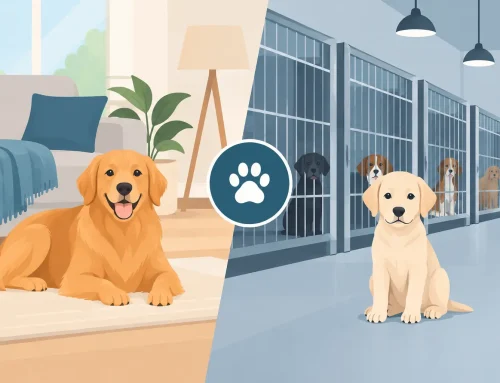
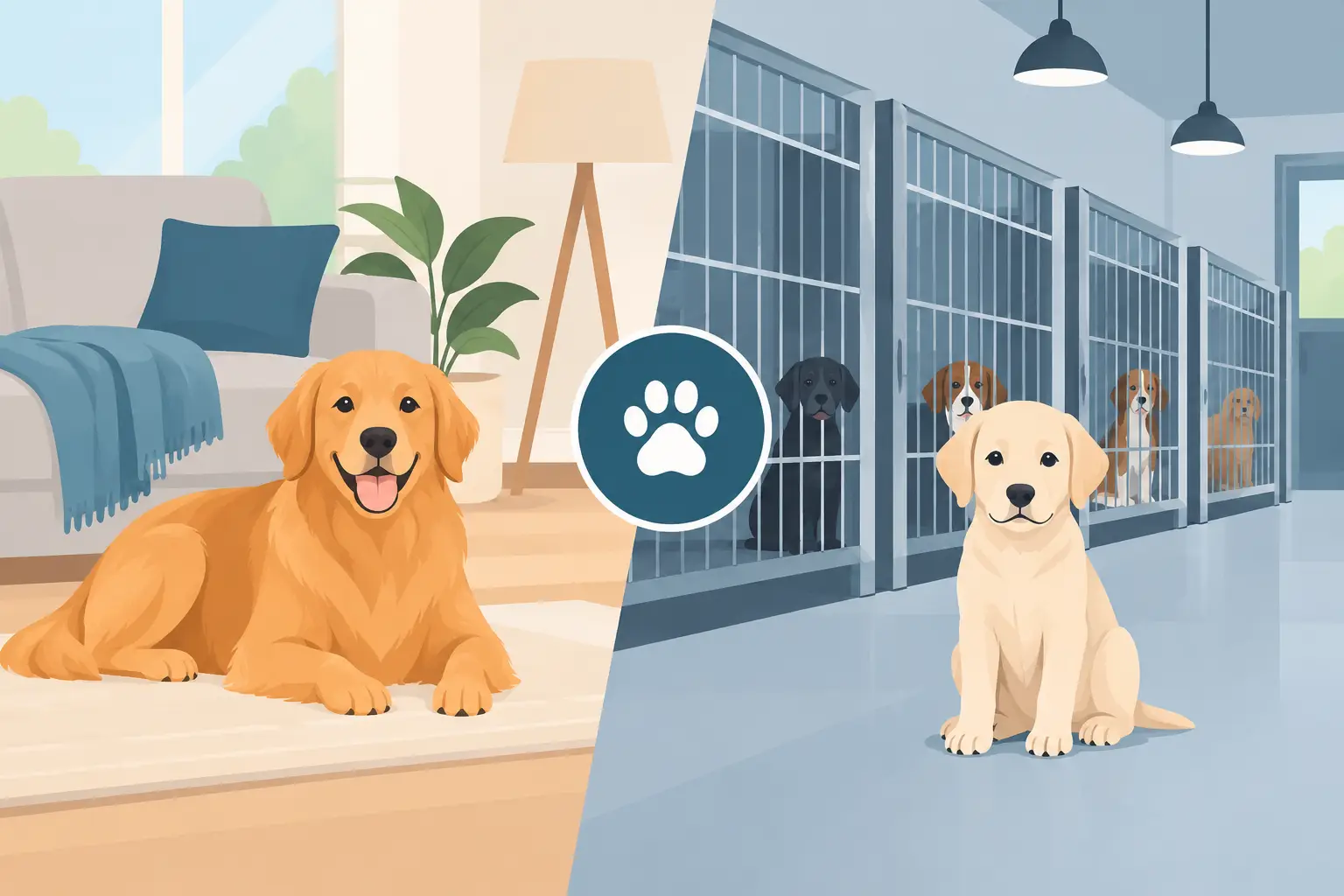
Early socialization matters just as much as genetics. Puppies should be raised in a setting where they experience normal household life, human interaction, and age-appropriate handling. An in-home environment often gives puppies a stronger start because they are exposed to the sounds, rhythms, and contact that shape confidence. This can make a real difference for families who want a puppy that transitions smoothly into the home.
Ask what life looks like for the puppies
One of the best questions you can ask is simple: what does a normal day look like for your puppies?
That question reveals a lot. You want to hear that puppies are handled regularly, introduced to household sounds, given clean and safe spaces, and observed closely as they grow. Breeders who are deeply involved with their litters usually have thoughtful, specific answers. They can tell you how they monitor development, when they begin early routines, and how they help prepare puppies for family life.
This is also where breeding volume matters. If a breeder always has many litters available, it is fair to ask how much one-on-one attention each puppy receives. More puppies can mean less individual care unless there is an excellent system and enough hands-on support. A smaller, more intentional program often provides a better start, though it may also mean joining a waitlist.
Red flags are usually easy to spot once you know them
Some warning signs are immediate. A breeder who refuses to discuss health testing, will not let you see where puppies are raised, or pressures you to send a deposit before answering questions should make you pause.
Other red flags are more subtle. Be cautious if the breeder seems focused mainly on color, size, or how fast you can take a puppy home. Those details may matter to buyers, but they should never be the whole conversation. Health, temperament, and readiness should come first.
It is also worth paying attention to how the breeder talks about placement. Responsible breeders do not treat every puppy and every family as interchangeable. They ask questions about your household, your schedule, your experience, and what you want in a dog. That is not gatekeeping. That is part of making better matches.
How to choose a labradoodle breeder if you are a first-time dog owner
If this is your first puppy, you may need more than a breeder who simply hands you paperwork and a go-home date. You may need guidance on feeding, training, grooming, crate routines, travel, and the first few weeks at home.
That support has real value. A breeder who stays available after pickup is often a breeder who feels responsible for the puppy long after the sale. For first-time owners especially, that ongoing relationship can ease anxiety and help prevent small issues from becoming bigger ones.
Ask what kind of education or follow-up the breeder provides. Some are very hands-on and want families to feel prepared before the puppy ever arrives. Others are much more transactional. Neither approach is hidden for long if you ask direct questions.
Reviews help, but they are not the whole story
Testimonials can be encouraging, especially when they mention health, temperament, and the breeder’s communication over time. They are one useful piece of the picture.
Still, reviews should support what you already see, not replace it. A breeder with glowing comments but weak health standards is still a risky choice. On the other hand, a careful breeder with a thoughtful process and clear practices is often worth waiting for, even if they have fewer flashy posts online.
Look for consistency. Do families mention healthy, well-adjusted puppies? Do they describe the breeder as knowledgeable and responsive? Do they feel supported after bringing their dog home? Those patterns matter more than a perfect five-star image.
The best breeder may not be the fastest option
Many families start searching when they are ready now. That is understandable. But availability should not be the main reason you choose a breeder.
A well-bred Labradoodle from a responsible program may require patience. There may be an application process, a conversation about fit, and time spent waiting for the right litter. That can feel inconvenient, but it often reflects a breeder who plans carefully rather than breeding for constant inventory.
This is especially true if you are looking for an Australian Labradoodle with reliable companion traits, low-shedding coat goals, and a family-friendly temperament. Those qualities are usually the result of thoughtful, long-term breeding decisions, not luck.
At Providence Hill Australian Labradoodles, we believe families deserve clarity, honesty, and a strong start when choosing a puppy. That should be the standard, not the exception.
When you speak with breeders, trust both the facts and the feel of the conversation. The right breeder will welcome good questions, speak clearly about health and temperament, and care just as much about where their puppies go as you care about where yours comes from. That kind of partnership tends to lead to the dogs families hope for – loving, steady companions who fit beautifully into everyday life.