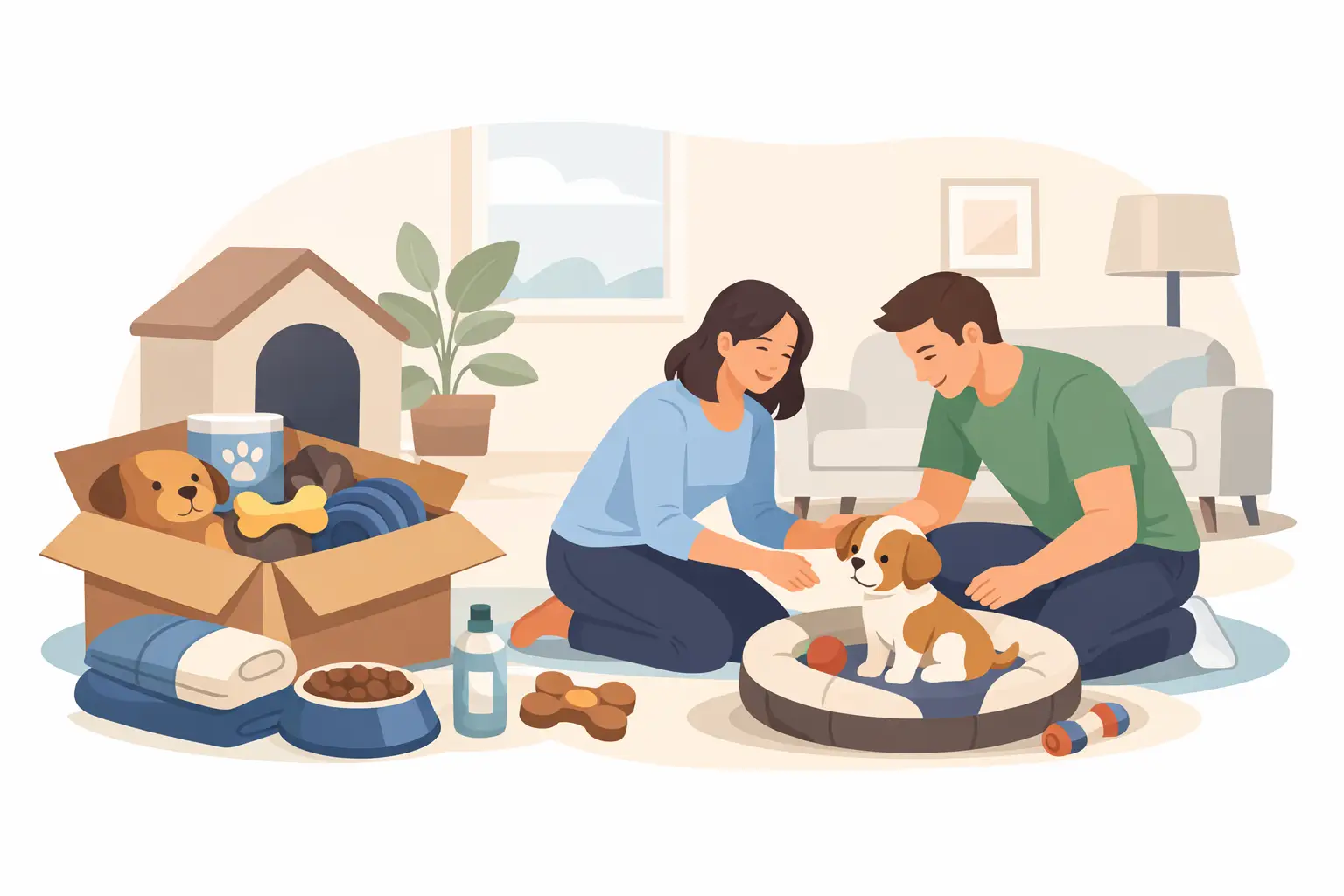
The first night with a puppy is rarely picture-perfect. Even families who have wanted a dog for years are often surprised by how small the puppy feels, how quickly the day gets busy, and how many little decisions come at once. If you are wondering how to prepare for new puppy life in a way that feels calm and manageable, the goal is not to do everything perfectly. It is to create a home that feels safe, predictable, and welcoming from the start.
A well-prepared home makes the transition easier on everyone, but especially on your puppy. Young puppies are leaving the only environment they have known, along with their littermates and familiar routines. That first week is less about entertainment and more about security, consistency, and gentle structure.
How to prepare for new puppy before pickup day
The best preparation happens before your puppy walks through the door. Families often focus on toys and cute accessories first, but your puppy cares much more about where to sleep, where to potty, what to chew, and who is helping them learn the rules.
Start by choosing one main resting area in the home. For many families, this is a crate in the bedroom or a quiet corner near where the family spends time. Puppies do best when they are not isolated, especially in the beginning. Being close to their people helps them settle and makes nighttime potty trips easier.
You will also want a small puppy-safe zone for times when full supervision is not possible. A playpen, gated kitchen, or sectioned-off family room can work well. The right setup depends on your home and schedule. A busy household with children may need clearer boundaries, while a quieter home may be able to give the puppy more gradual freedom.
Supplies matter, but simplicity is usually best. Have a crate, bedding that is easy to wash, food and water bowls, a leash, collar, ID tag, a few safe chew toys, grooming basics, and the food your puppy has already been eating. Switching too many things at once can create stress and stomach upset. A smoother transition usually comes from familiarity, not variety.
Set your routine before your puppy arrives
Puppies thrive on repetition. Before pickup day, decide who will handle morning potty trips, feeding, nap supervision, and bedtime. This is especially helpful for families, because confusion between adults often leads to inconsistent training.
Feeding should happen on a reliable schedule, and potty opportunities should happen more often than most first-time owners expect. Young puppies generally need to go out after waking, after eating, after playing, and before bed. If you wait for clear signals every time, accidents are more likely. Early success comes from taking the puppy out proactively.
It also helps to decide what words you will use. Choose one potty phrase, one marker word for praise, and one or two simple cues to start with, such as sit or come. Puppies learn patterns quickly, but mixed language can slow things down.
Puppy-proofing is about prevention, not perfection
A new puppy explores with teeth, paws, and curiosity. That means preparation is less about creating a flawless house and more about removing the most common hazards. Electrical cords, shoes, children’s toys, cleaning products, medications, houseplants, and loose socks should all be out of reach.
Look at your home from puppy height. What is on the floor, hanging from a table edge, or tucked just under a couch? Many accidents happen because something seemed harmless until a puppy found it.
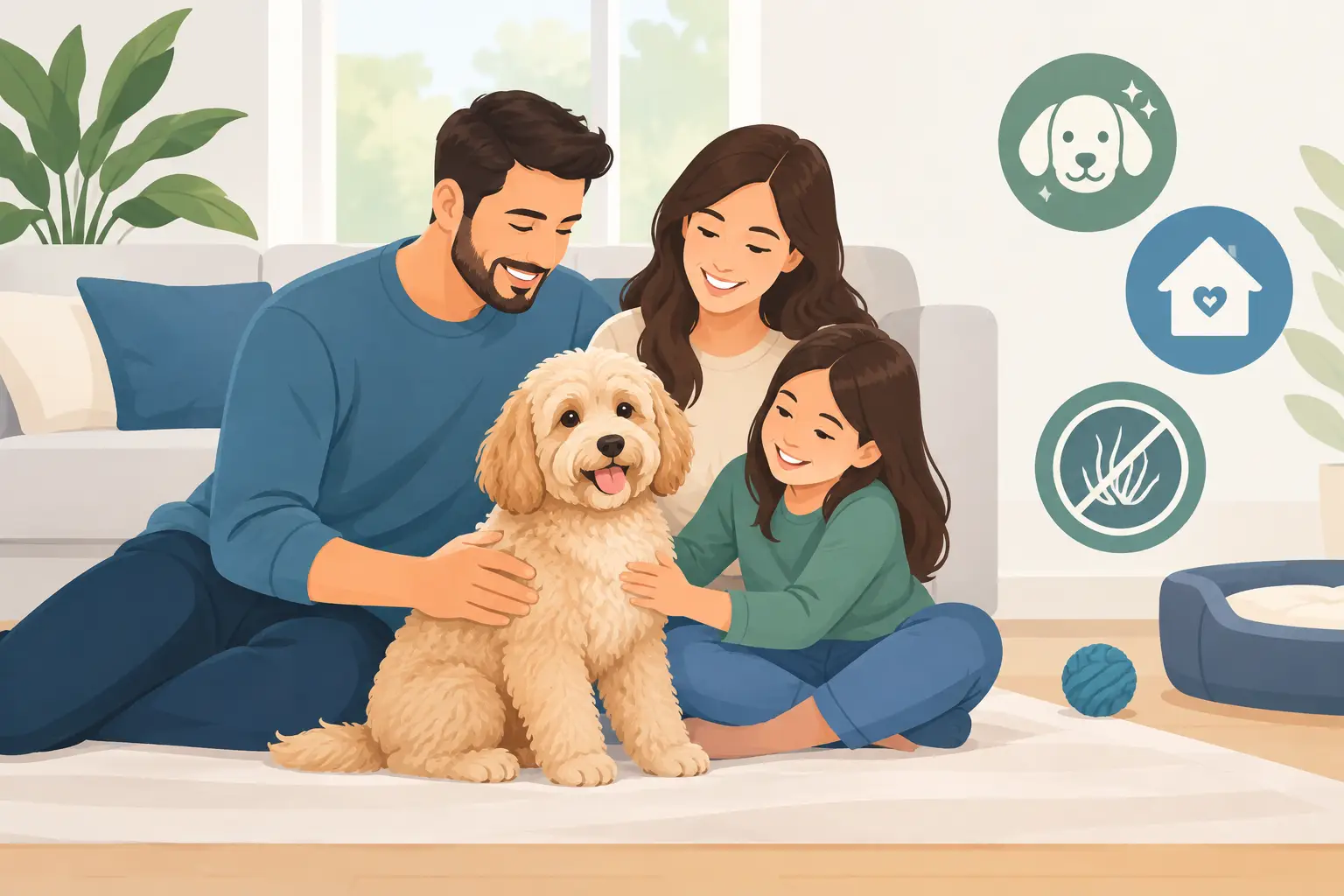
For families with children, this is also the time to prepare the people, not just the space. Children should know where the puppy can rest undisturbed, how to use calm voices, and why it is important not to chase, squeeze, or crowd a sleeping puppy. Puppies and children can form wonderful bonds, but those bonds grow best when both are guided.
How to prepare for new puppy sleep, crate time, and nighttime
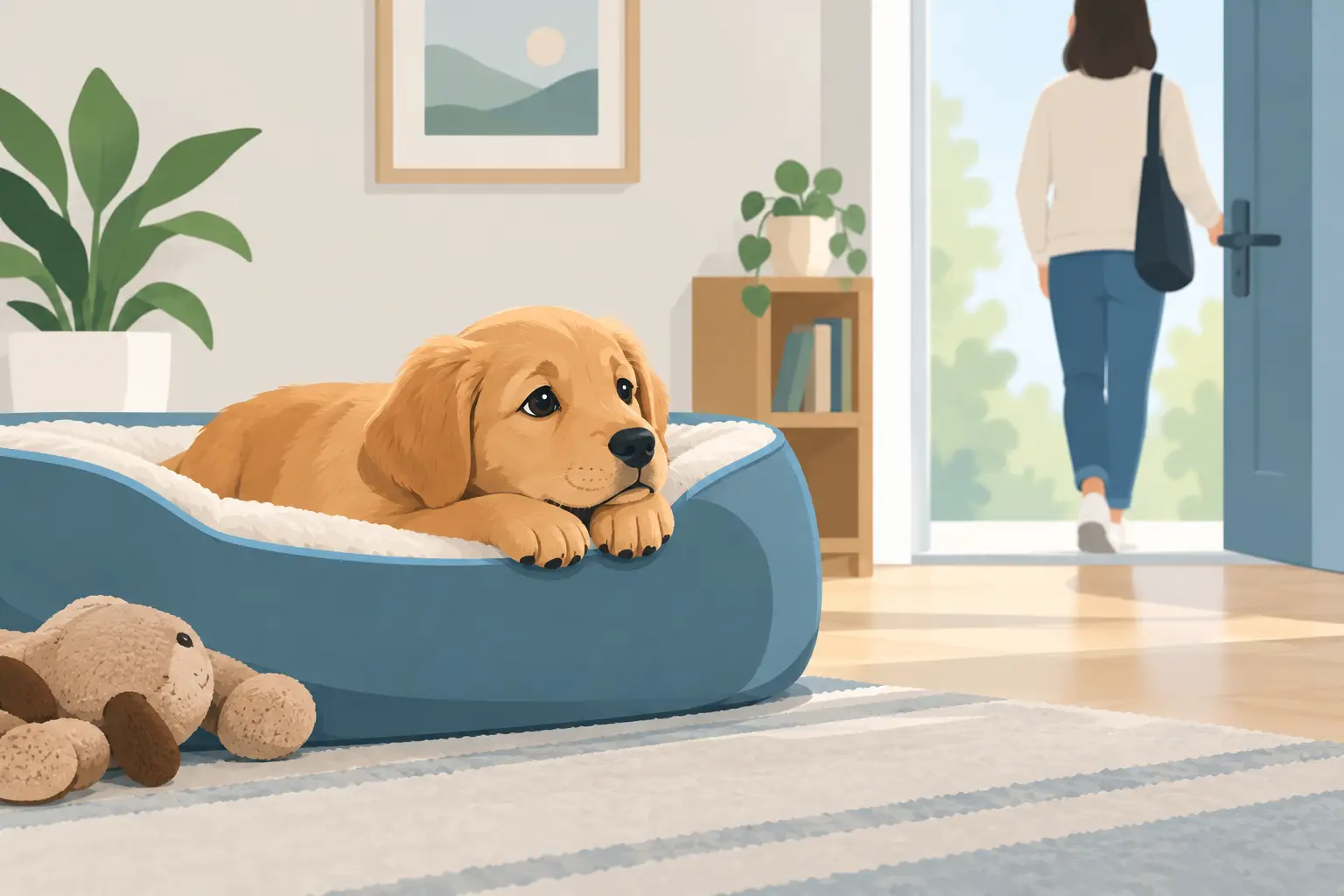
Nighttime is one of the biggest concerns for new owners, and for good reason. A puppy who has just left littermates may cry, wake frequently, or struggle to settle. This does not mean anything is wrong. It usually means the puppy is adjusting.
Keep the crate close at night, especially for the first several days. Many puppies relax more quickly when they can hear and smell their people nearby. Plan for at least one overnight potty trip in the beginning. Some puppies can sleep longer sooner, while others need more support. Age, size, and individual temperament all play a role.
Crate time during the day should be introduced gently. A crate should feel like a safe resting place, not a punishment. Short sessions with a chew toy, followed by calm praise, often work better than long stretches right away. If your puppy is overtired, the crate can actually help them settle, much like a toddler who needs a nap but does not realize it.
There is a balance here. You want your puppy to learn independence, but you also do not want to push too much too soon. A little fussing can be part of learning. Prolonged panic is different. Reading that difference matters.
The first week should feel small and steady
Many families want to introduce the puppy to neighbors, friends, and every room in the house right away. It is understandable, but most puppies do better when the first week stays simple.
Keep visitors limited at first. Let your puppy learn your home, your voices, your routine, and the basic rhythm of the day. If children are excited, structure the interactions instead of letting the puppy be passed around. Calm handling builds trust much faster than constant stimulation.
This is also the week to begin house training in earnest. Take your puppy to the same potty area often, reward success right away, and supervise closely indoors. If accidents happen, clean them thoroughly and move on. Early potty training is less about correction and more about timing.
At Providence Hill Australian Labradoodles, we have seen again and again that puppies settle best when their new families focus on consistency more than intensity. Gentle routines, predictable meals, frequent potty trips, and patient reassurance make a noticeable difference.
Food, digestion, and healthy transitions
One of the easiest ways to make a puppy’s first days harder is to change everything at once. A new home is already a major adjustment. Keeping food consistent in the beginning helps reduce one source of stress.
Feed the same food on the same schedule your puppy has been following, unless your veterinarian advises otherwise. If you plan to transition to something new later, do it gradually. Puppies can have sensitive digestion, and stress alone can affect appetite or stool quality for a few days.
Offer fresh water throughout the day, while being thoughtful about timing before bed. You do not want to restrict water in an unhealthy way, but you also want to support nighttime success. This is one of those areas where common sense and observation matter more than rigid rules.
Watch energy, stool, appetite, and hydration closely during the first week. Mild changes can happen with transition. Significant vomiting, diarrhea, lethargy, or refusal to eat deserve prompt veterinary attention.
Training starts immediately, even when it looks like play
People often think formal training begins later, but your puppy is learning from the first hour at home. They are learning whether people are predictable, whether the crate is safe, whether chewing toys pays off, and whether going outside leads to praise.
The early goal is not perfection. It is communication. Reward the behaviors you want to see again. Interrupt unwanted behavior calmly and redirect it. Keep sessions short and positive.
Biting and nipping are normal puppy behaviors, especially during play and tired moments. That does not mean you ignore it, but it does mean you should expect it. Offer appropriate chew items, end play briefly if biting escalates, and make sure your puppy is getting enough sleep. Overtired puppies often look wild when they actually need rest.
Socialization matters too, but it should be thoughtful. Positive exposure to sounds, surfaces, people, and everyday experiences helps build confidence. The key word is positive. Too much too fast can overwhelm a young puppy, especially in a busy family environment.
Preparing your home for the long term
A puppy arrives small, but puppy habits become adult habits. Think now about what you want life to look like in six months. Will your dog be allowed on furniture? Where will meals happen? What is the plan for grooming, exercise, and time alone during the workday?
For Australian Labradoodles and other coat-maintenance breeds, early grooming preparation is especially helpful. Get your puppy comfortable with gentle brushing, paw handling, ear checks, and short calm sessions on a grooming table or nonslip surface. Waiting until the coat requires more maintenance can make grooming feel harder than it needs to.
It also helps to identify your support system before problems arise. Know which veterinarian you will use, where training help will come from, and how your household will handle travel, work shifts, and school schedules. Good preparation is not about expecting trouble. It is about giving your puppy stable care no matter what a week brings.
The best homes are not the ones with the most gear. They are the ones where the puppy is guided with patience, where expectations are realistic, and where everyone understands that trust is built one ordinary day at a time. If you prepare with that in mind, your puppy will not need a perfect start. They will have something better – a steady one.