The first night usually tells you everything. Your puppy may be sleepy from the ride home, then suddenly wide awake at bedtime, unsure where they are and why their littermates are gone. That moment can feel emotional for families, especially if children have been counting down for weeks. A good new puppy first week guide helps you focus on what matters most right away – safety, routine, rest, and building trust.
The goal in week one is not to teach everything. It is to help your puppy feel secure enough to begin learning. A young puppy is adjusting to a brand-new home, new people, new sounds, new smells, and often a very different schedule. Families do best when they think less about perfection and more about consistency.
What your puppy needs most in the first week
Your puppy does not need a packed social calendar on day one. They need calm handling, a predictable routine, and gentle expectations. Even confident puppies can get overstimulated quickly. A busy house, visiting relatives, squealing children, and too much freedom can lead to accidents, nipping, and poor sleep.
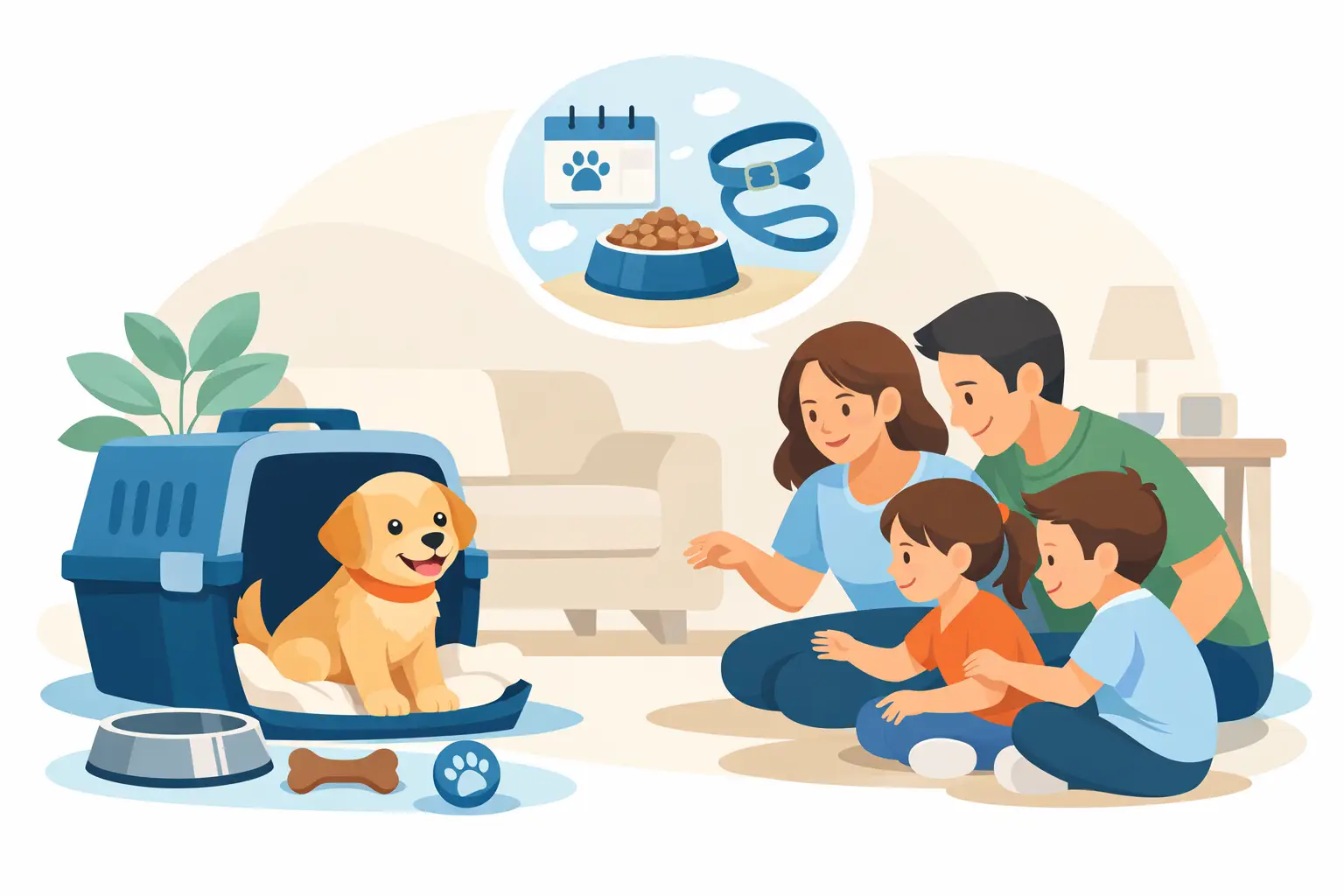
Start with a smaller world. Keep your puppy in the rooms where family life happens, but limit access so they are never wandering unsupervised. This helps with potty training, protects your home, and gives your puppy repeated chances to succeed. A crate, playpen, or gated kitchen area can make the first week much smoother.
Food, water, naps, bathroom breaks, and short play periods should happen on a loose schedule. Puppies settle faster when the day feels predictable. That does not mean rigid timing down to the minute. It means meals are not random, bedtime is not chaotic, and potty trips happen before your puppy has to guess what you want.
Your new puppy first week guide to daily rhythm
The easiest way to reduce stress is to create a simple pattern your puppy can rely on. Most young puppies do best with wake up, potty trip, breakfast, a little play or cuddling, then another potty trip and a nap. That basic cycle repeats all day.
After meals, after naps, after play, and after excitement, take your puppy outside. Those are the moments accidents are most likely. Use the same potty area and the same short phrase each time. Quiet praise when they go in the right place is enough. You do not need a big celebration that makes them forget why they were outside.
Sleep is often underestimated in a new puppy first week guide, but it matters as much as training. Puppies need a surprising amount of rest. When they become wild, bitey, or unable to settle, they are often overtired rather than stubborn. Families sometimes think the puppy needs more activity, when what they really need is a calm, quiet nap.
The first night and bedtime expectations
Expect bedtime to be an adjustment. A puppy who has never slept alone may cry, fuss, or wake often. That does not mean anything is wrong. It means they are young and in a new place.
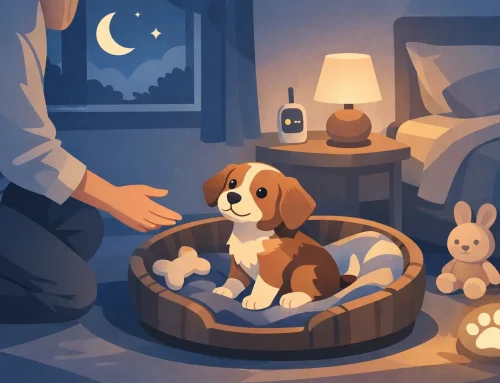
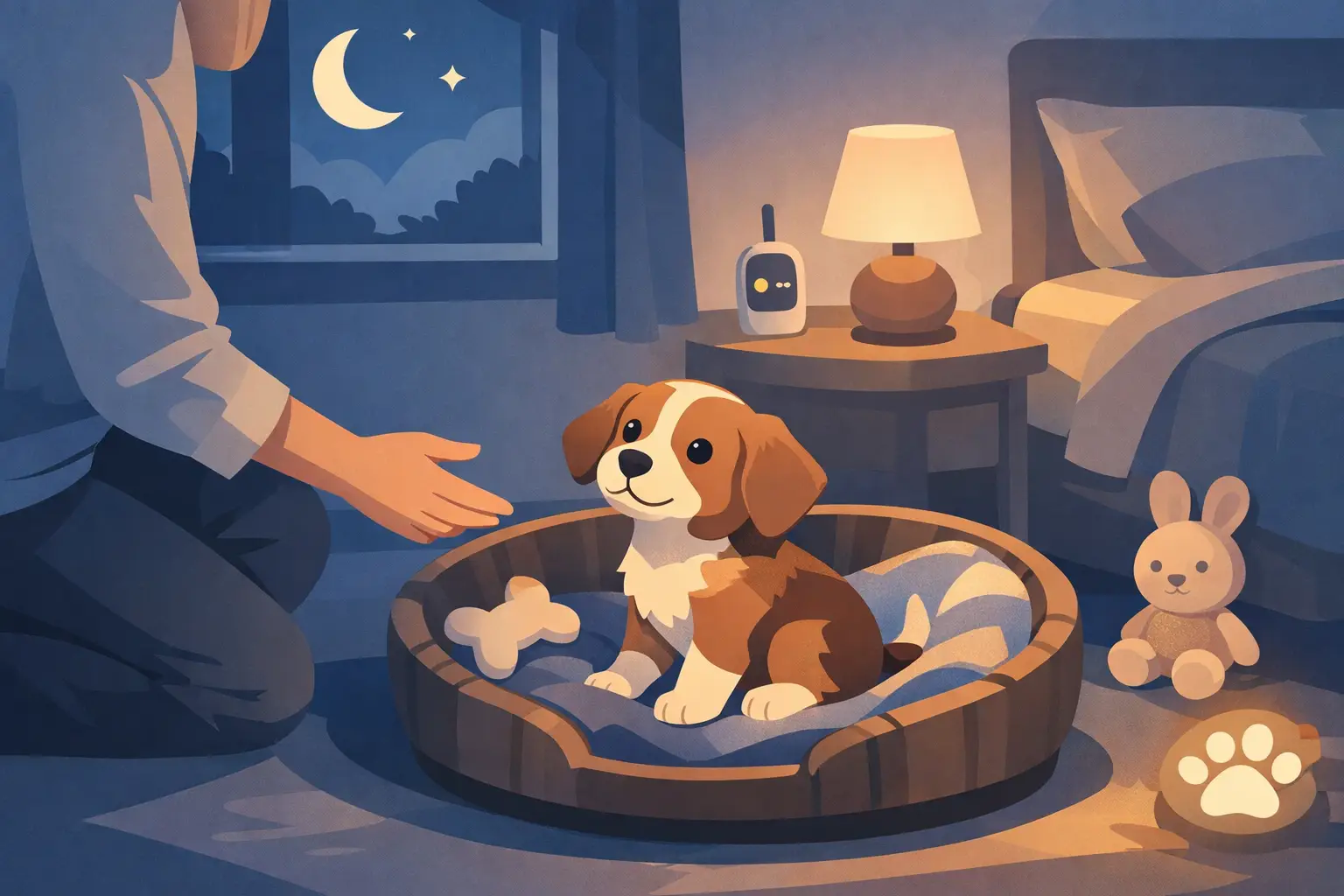
Place the crate near your bed at first if possible. Being close to you often helps your puppy settle faster and makes it easier to hear when they truly need a potty break. Keep nighttime trips quiet and brief. No play, no bright lights, no extra attention beyond what is needed. You want your puppy to learn that nighttime is for sleeping.
Some puppies sleep longer stretches than others. Age, confidence, travel stress, and even what time they napped that evening can affect the night. Progress is rarely perfectly linear. A good night followed by a rough night is still normal.
Feeding without upsetting the transition
The first week is not the time for sudden food changes unless your veterinarian has told you otherwise. Keeping your puppy on the same food they have been doing well on helps avoid digestive upset during an already stressful transition.
Feed measured meals on a schedule instead of free feeding. This supports house training because it makes potty timing more predictable. It also helps you notice quickly if your puppy is not eating normally. A little reduced appetite during the first day can happen, but ongoing refusal to eat, vomiting, or diarrhea deserves prompt attention.
Fresh water should be available through the day. Some families worry that water leads to accidents, but withholding water is not the answer. Instead, supervise closely and offer frequent potty trips.
House training in the first week
House training begins the minute your puppy comes home, but the first week is about foundations, not finished results. A young puppy has limited bladder control and no understanding yet of your household rules. That is why supervision matters more than correction.
If you catch your puppy beginning to have an accident, interrupt gently and take them outside. If you find a mess later, simply clean it thoroughly. Punishment after the fact only creates confusion. Your puppy learns fastest when you prevent mistakes and reward the right choice in the moment.
Watch for early signals such as circling, sniffing, wandering away, or suddenly stopping play. Some puppies are obvious, while others give very little warning. That is why week one often means taking them out more often than you think should be necessary.
Training starts now, but keep it simple
Families sometimes worry they will fall behind if they do not start formal training immediately. The truth is that week one should be very simple. Your puppy is already learning from every interaction, even when you are not holding a training treat.
Start with their name, coming toward you, gentle handling, and short moments of calm in the crate. You can also begin teaching that human hands are kind and predictable. Touch paws briefly, look at ears, stroke the body, and reward calm responses. This pays off later in grooming, vet visits, and everyday care.
Keep sessions short and light. One or two minutes is plenty for a very young puppy. End while your puppy is still engaged. This builds confidence and keeps learning positive.
Managing nipping and overexcitement
Puppies explore with their mouths. That is normal, especially when they are tired, playful, or teething. The first week is a good time to set a family standard. If teeth touch skin or clothing, calmly redirect to a toy and reduce the excitement level.
What helps most is not dramatic correction. It is consistency. Rough play, chasing games, and too much stimulation often make nipping worse. Young children may need extra coaching so the puppy is not accidentally rewarded for grabbing sleeves, pant legs, or hands.
Helping children and other pets adjust
For families, the puppy is not the only one going through a transition. Children need guidance too. Teach them to sit on the floor for greetings, use soft voices, and let the puppy rest when sleeping. A puppy that is constantly picked up, followed, or interrupted can become overstimulated quickly.
If you have another dog, introductions should stay calm and structured. Neutral energy is better than forced friendship. Some adult dogs welcome a puppy right away, while others need more space. Supervise closely and protect both dogs from too much too soon.
Cats often adjust best when the puppy is prevented from chasing. Baby gates, leashes indoors, and controlled greetings help create safer first impressions.
When to call your veterinarian
A wellness visit early in the first week is a smart step. It gives your veterinarian a chance to review your puppy’s condition, answer feeding and vaccine questions, and establish care right away.
Call sooner if you notice repeated vomiting, ongoing diarrhea, marked lethargy, refusal to eat, coughing, or anything that feels clearly off. New puppies can be sleepy, hesitant, and a little unsettled, but they should still have periods of alertness and interest in food, play, and connection.
A calmer first week leads to a better start
At Providence Hill Australian Labradoodles, we encourage families to think of the first week as a relationship week. The routines matter, but what matters even more is the message your puppy receives every day – this home is safe, these people are trustworthy, and life here is steady.
You do not need a perfect first week to build a wonderful dog. You need patience, close observation, and the willingness to slow down enough for your puppy to catch up. If your home feels calm and consistent, your puppy will begin to show you who they are, and that is when the real joy starts.