
Some dogs enjoy people. Others seem to read the room.
That difference matters when families start looking at therapy dog qualities Australian Labradoodle puppies may carry. A true therapy-minded dog is not simply friendly or cute. The right dog needs emotional steadiness, gentle social confidence, and the ability to stay connected to people without becoming overwhelmed by noise, touch, or changing environments.
For many families, that is exactly why the Australian Labradoodle stands out. This breed was intentionally developed for companionship, intelligence, and a people-focused temperament. While not every puppy will become a formal therapy dog, many Australian Labradoodles show the natural traits that make them wonderful candidates for therapy work and exceptional companions at home.
What therapy dog qualities mean in real life
When people hear the phrase therapy dog, they often picture a calm dog visiting a hospital or sitting quietly with a child during reading practice. Those are good examples, but the qualities behind that work begin much earlier and run much deeper.
A therapy dog needs to stay balanced in situations that can feel unpredictable. That means being comfortable around wheelchairs, walkers, unfamiliar voices, quick movement, and different kinds of touch. It also means recovering well if something unexpected happens. A dog does not need to be perfect. It needs to be resilient, trusting, and willing to take guidance from its handler.
In a family setting, those same qualities show up in everyday life. You see them in a puppy that settles nicely after play, greets visitors without wild behavior, and looks to people for direction. You see them in a dog that enjoys closeness but is not frantic for attention every second. Those are meaningful signs of emotional balance.
Therapy dog qualities Australian Labradoodle families often look for
The most valuable therapy traits are not flashy. They are steady, dependable, and easier to appreciate once you understand what to watch for.
A calm, even temperament
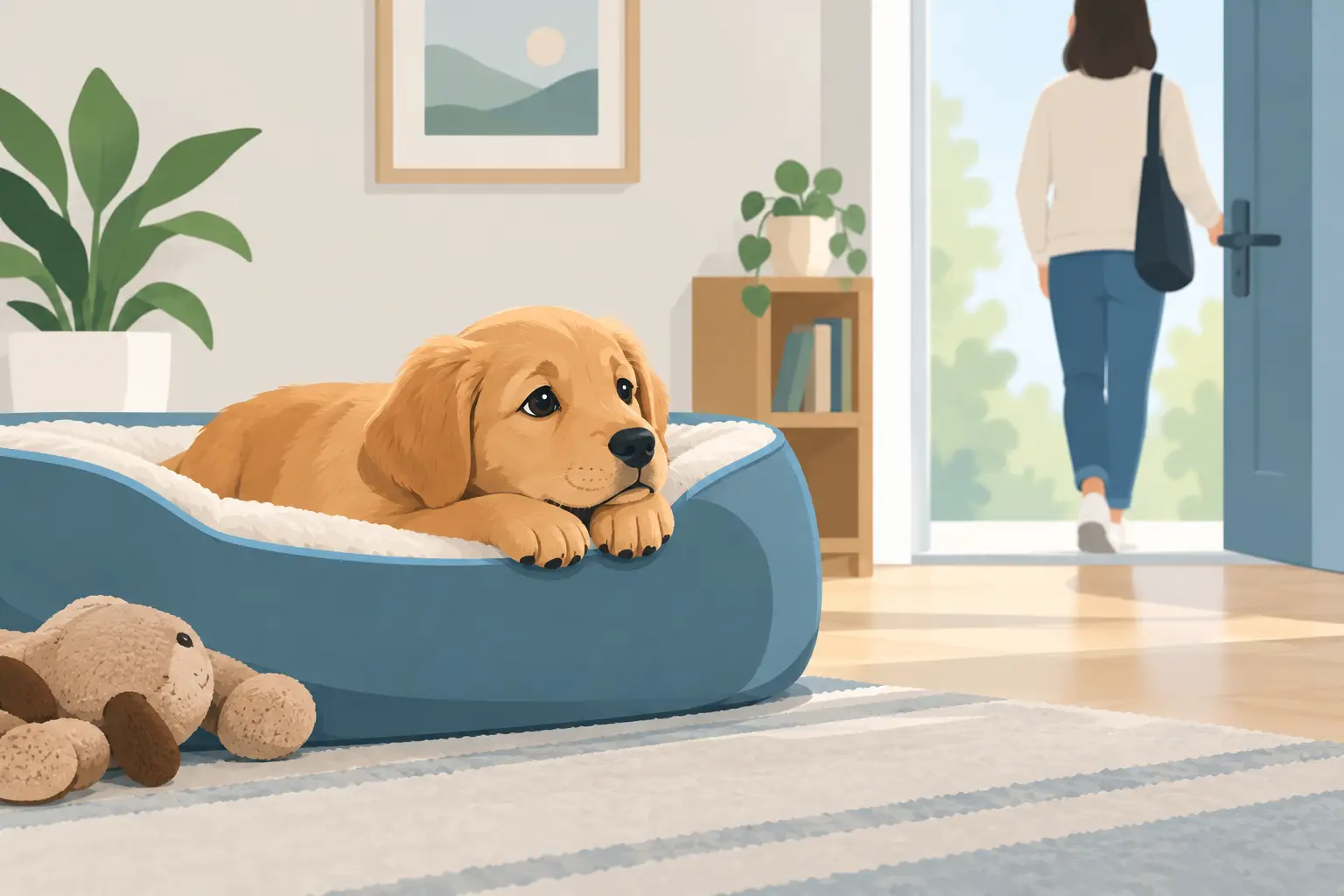
This is usually the first quality families notice. Australian Labradoodles are known for being affectionate and engaging, but a therapy-minded dog also needs an off switch. The goal is not a sleepy dog. It is a dog that can move from play to quiet connection without staying overstimulated.
Calmness matters because therapy environments ask a lot of a dog. There may be unusual smells, busy hallways, sudden sounds, or several people wanting interaction at once. Dogs that can stay composed under mild stress are better equipped for that work.
Strong human focus
Many breeds are intelligent. Not all of them are naturally tuned in to people. One of the reasons Australian Labradoodles are so appealing is their tendency to form close bonds and pay attention to human emotion and direction.
That human focus supports both therapy work and family life. A dog that enjoys eye contact, follows cues, and wants to cooperate is easier to train and easier to trust in public settings. It also tends to fit more smoothly into a home where connection matters as much as obedience.
Social confidence without pushiness
A therapy prospect should be comfortable meeting new people, but there is an important difference between confidence and overexcitement. The best candidates are open, friendly, and relaxed. They do not shrink away, and they do not barrel into every interaction either.
This balance is especially important for families with children or frequent visitors. A dog that greets warmly while staying manageable is much easier to live with and much more suitable for future service-oriented roles.
Trainability and willingness
Training is not optional for any therapy dog. Natural temperament helps, but training shapes that potential into reliable behavior. Australian Labradoodles are often praised for their intelligence and eagerness to learn, which can make the training process more rewarding for first-time and experienced owners alike.
A willing dog tends to respond well to consistency, repetition, and gentle structure. That does not mean every puppy learns at the same speed. It means the breed often brings a cooperative attitude that supports progress.
Sensitivity with stability
This point can be easy to miss. A good therapy dog often notices human emotion, but it should not become anxious because of it. The best dogs are empathetic without being fragile.
That is one reason responsible breeding matters so much. Overly nervous dogs may struggle in therapy settings even if they are loving at home. A stable dog can sense emotion, stay present, and continue to function calmly.
Why breeding and early development matter so much
Therapy potential does not happen by accident. Genetics and early raising play a major role in how a puppy responds to the world.
A well-bred Australian Labradoodle should come from lines selected for temperament, health, and sound structure, not just appearance. Families often focus on coat and size first, which makes sense, but long-term temperament is what shapes daily life. A dog with excellent social instincts and emotional steadiness is easier to train, easier to trust, and more likely to thrive in a wide range of homes.
Early socialization also matters. Puppies benefit from being raised in a home environment where they experience normal household sounds, gentle handling, and age-appropriate exposure to people and routines. Those early experiences help build confidence. They teach a puppy that the world is safe, people are good, and novelty does not have to feel threatening.
At Providence Hill Australian Labradoodles, this kind of foundation is central because families are not just choosing a puppy. They are choosing the temperament, preparation, and support behind that puppy.
Not every Australian Labradoodle is a therapy dog
This is an important truth, and honest breeders should say it clearly.
The breed may have many traits associated with therapy work, but not every puppy will be the right fit for a formal therapy role. Some puppies are more playful and busy. Others may be deeply affectionate but less comfortable with constant novelty or public activity. Personality variation exists within every litter.
That does not mean those puppies are poor choices. It simply means the best home depends on the dog. A family companion can still be wonderfully intuitive, loving, and trainable without being the ideal candidate for structured therapy visits.
This is where thoughtful matching matters. Families should be open about their goals, whether that means a calm companion for children, a future therapy prospect, or an easygoing dog for everyday life. The right breeder will help guide expectations instead of promising that every puppy can do every job.
How families can recognize promising traits early
Young puppies are still developing, so no one should treat early behavior as a guarantee. Even so, some patterns are worth watching.
A promising puppy often recovers well after a small surprise. It shows curiosity instead of shutting down. It enjoys people, accepts gentle handling, and can settle after interaction. It may follow a person naturally or seek reassurance without becoming clingy. Those are encouraging signs.
On the other hand, nonstop intensity can become challenging, especially for therapy goals. Extreme shyness can also be a concern. Plenty of puppies mature beautifully with good training, but families should understand that temperament is more than friendliness in the moment.
A strong breeder evaluation is often more valuable than a quick visit. Breeders who spend daily time with their puppies see how they respond across situations, not just during a short meeting. That bigger picture helps with smarter placement.
Training supports natural therapy dog qualities
Even the best-tempered dog needs guidance. Training teaches a dog how to use its natural strengths in a dependable way.
For Australian Labradoodles, that usually starts with foundation work at home. Basic obedience, leash manners, impulse control, and calm greetings are all essential. Exposure to different surfaces, sounds, people, and settings should happen gradually and positively. The goal is confidence, not pressure.
If a family hopes to pursue formal therapy certification later, it helps to focus early on neutrality. A dog can be friendly without assuming it gets to greet every person or dog it sees. That self-control becomes very important in public environments.
It also helps to remember that maturity changes things. A puppy that seems perfect at four months is still growing emotionally. Adolescence can bring distractibility or bursts of energy. That is normal. Consistency during that stage often matters more than any early promise.
Why these qualities matter even if therapy work is not the goal
Many families search for therapy dog qualities because they want a dog that feels safe, gentle, and emotionally steady at home. That is a wise instinct.
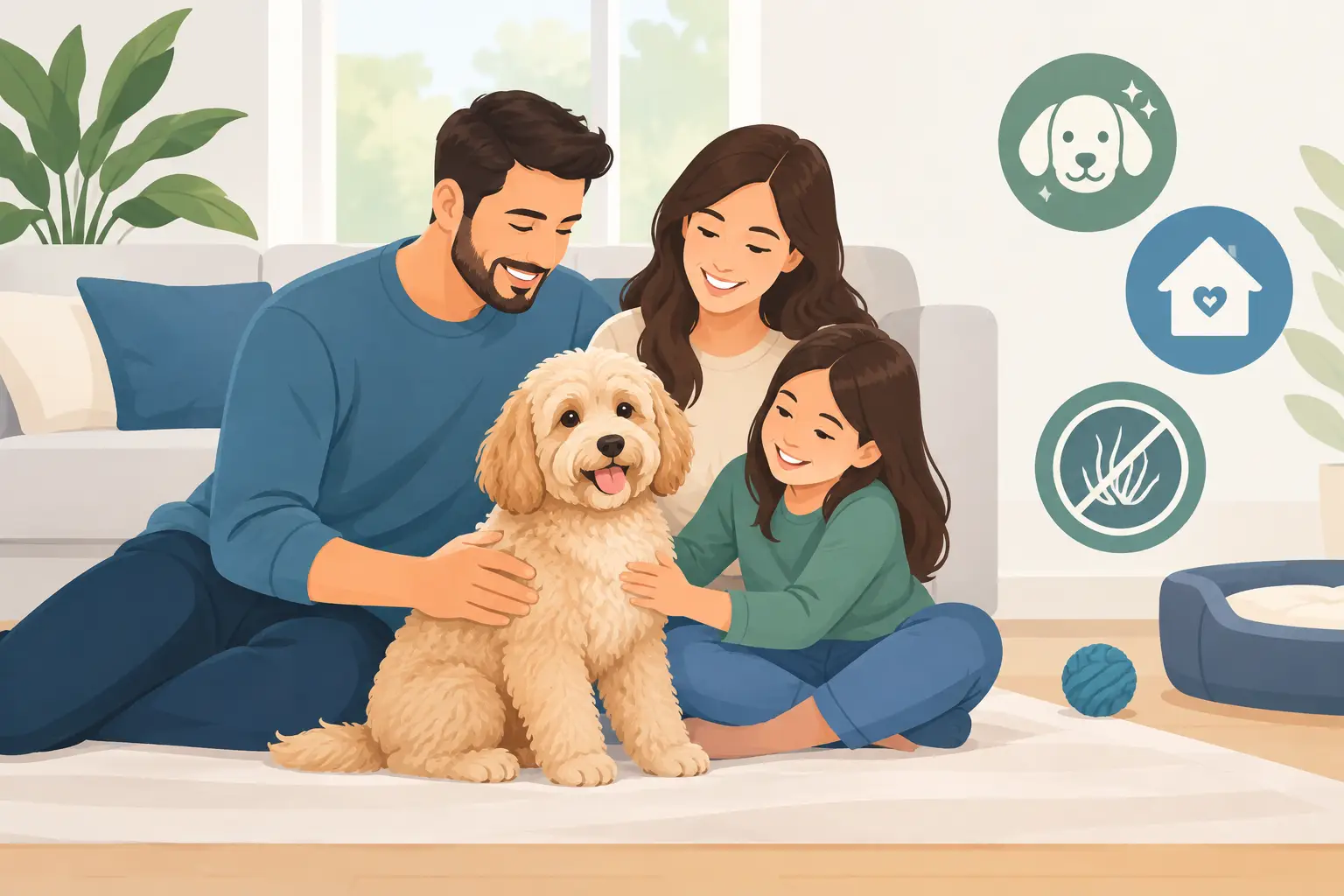
A dog with therapy-style traits often fits beautifully into family life. These dogs tend to adapt well to routines, connect closely with children and adults, and bring a calming presence into the home. They are often easier for guests to enjoy, easier for first-time owners to manage, and easier to include in daily activities.
That does not mean they are effortless. Australian Labradoodles still need training, structure, grooming, exercise, and engagement. But when temperament is sound, all of that work tends to build on a very strong foundation.
If you are looking for a dog that is affectionate, trainable, and naturally people-oriented, focusing on therapy dog qualities is a smart way to think beyond appearances. The right puppy should not only look beautiful in your home. It should feel right in your life, both on the busy days and the quiet ones.
And that is often the real test of a special dog – not whether it can wear the title, but whether its temperament brings comfort, confidence, and connection to the people who love it.