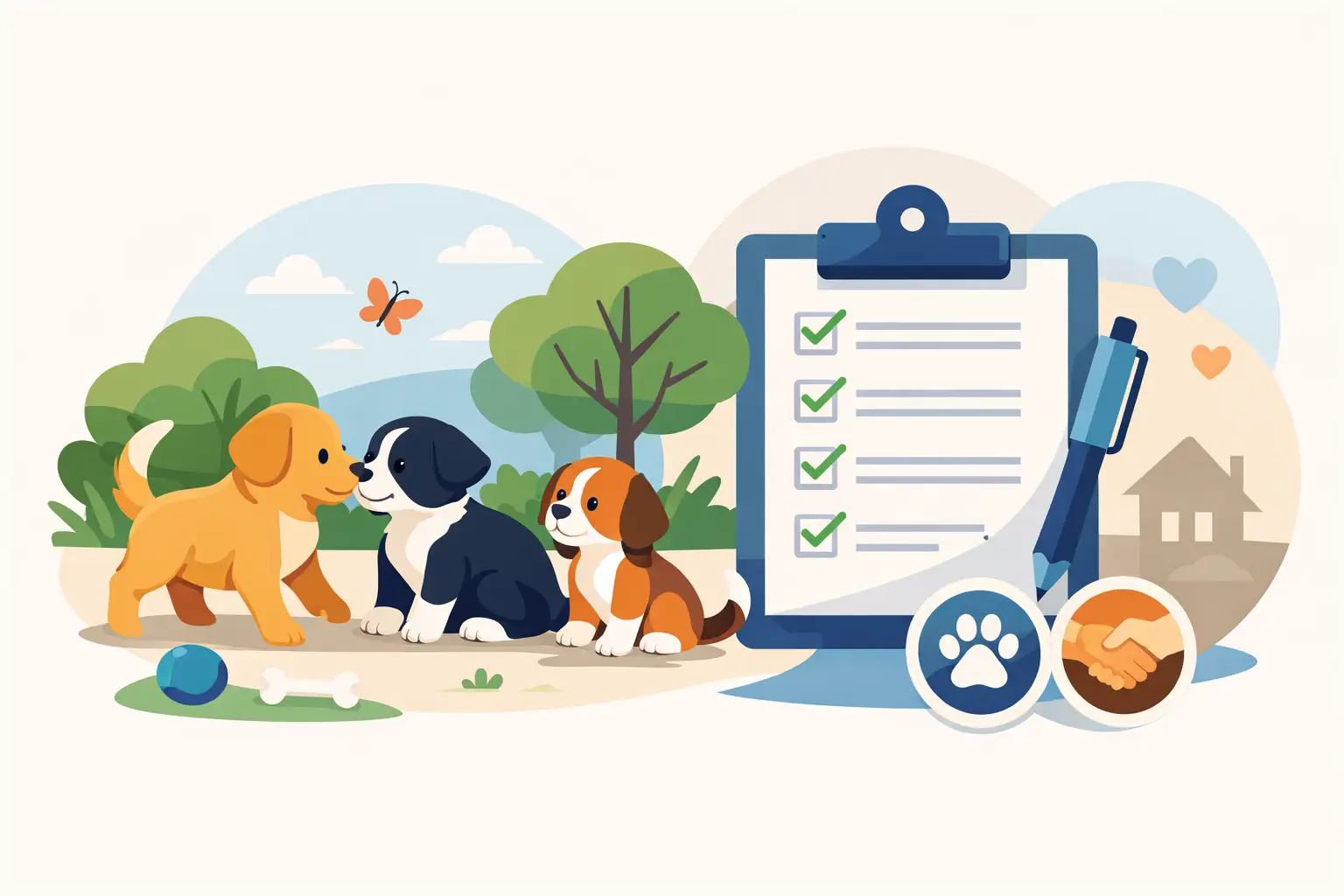
The first few weeks with a puppy can feel sweet, busy, and a little overwhelming all at once. A puppy socialization checklist printable gives families something very helpful during that season – a clear way to make sure important early experiences actually happen, instead of getting lost in the excitement of bringing a puppy home.
Socialization is not about pushing a puppy into every situation possible. It is about creating calm, positive exposure to the world during a critical stage of development. Done well, it helps shape a dog who can move through family life with more confidence, better recovery from stress, and fewer fear-based reactions later on.
Why a puppy socialization checklist printable helps
Most families do not need more puppy advice. They need a simple plan they can follow. That is where a puppy socialization checklist printable becomes useful. It turns a broad goal like “socialize the puppy” into something concrete and manageable.
A checklist also helps you pace things appropriately. Many new owners assume socialization means taking a puppy everywhere, meeting everyone, and saying yes to every opportunity. In reality, too much too soon can backfire. A thoughtful checklist reminds you that quality matters more than quantity. One calm visit to hear carts rolling at a garden center parking lot may do more good than a chaotic afternoon packed with strangers, dogs, and noise.
For families with children, busy work schedules, or travel plans, a printable is especially helpful because everyone can stay on the same page. It makes early puppy raising feel more organized and less reactive.
What good socialization really looks like
Socialization is often misunderstood as interaction. Sometimes interaction is helpful. Sometimes observation is better. A puppy does not need to be touched by every child or greeted by every dog to become well adjusted.
Good socialization means your puppy learns that new sounds, surfaces, people, handling, movement, and mild everyday surprises are safe. The goal is not excitement. The goal is comfort and confidence.
That matters deeply for companion dogs, especially in homes that want a puppy who can settle into routines, welcome guests, ride in the car, visit the groomer, and handle the normal activity of family life. Puppies with strong early exposure often have an easier time with training because they are not spending so much energy worrying about the environment around them.
Puppy socialization checklist printable categories to include
A strong checklist should cover a range of experiences rather than repeating the same type of outing. You do not need dozens of items in each category, but you do want variety.
People
Your puppy should gently experience adults of different ages, sizes, voices, and appearances. That may include men with hats, women with umbrellas, children playing nearby, older adults using walkers, or people carrying bags. The point is not forced greeting. It is learning that different-looking people are normal.
Sounds
Puppies benefit from hearing household and neighborhood noises at a comfortable level. Think doorbells, vacuum cleaners, kitchen sounds, traffic, bicycles, barking in the distance, lawn equipment, and children playing. If your puppy startles, that is not automatically a problem. What matters is whether the experience is paired with calm reassurance and enough space to recover.
Surfaces and environments
Grass, concrete, hardwood floors, rugs, gravel, mulch, decks, and slick floors can all feel different to a young puppy. New environments matter too, such as front porches, car rides, vet waiting rooms, school pickup lines, and quiet shopping areas that allow dogs. These everyday settings are often more valuable than dramatic adventures.
Handling and grooming preparation
This category is easy to overlook, but it matters a great deal. Puppies should learn that having paws touched, ears checked, nails handled, coats brushed, and mouths examined is not frightening. For low-shedding breeds that require regular grooming, early comfort with gentle handling can make a lasting difference.
Objects and movement
A socialization checklist should include common moving sights such as strollers, rolling luggage, bicycles, delivery carts, skateboards, and opening umbrellas. Puppies do not always know what to make of unfamiliar movement. Calm exposure now can prevent worry later.
Mild separation and independence
A confident family dog also needs to learn that short periods of alone time are safe. Socialization is not only about the outside world. It also includes emotional resilience at home. Brief crate time, resting behind a baby gate, or settling with a chew while family members move around the house can all support healthy independence.
How to use the printable without overwhelming your puppy
The best checklist is not the one you finish fastest. It is the one you use thoughtfully. Aim for short, successful exposures. A few minutes may be enough, especially for younger puppies.
Watch your puppy’s body language. Soft eyes, curiosity, loose movement, and willingness to take treats usually mean the experience is staying in a good range. If your puppy freezes, tries to retreat, refuses food, or becomes frantic, that is your sign to create more distance or end the session. Socialization should stretch a puppy gently, not flood them.
It also helps to think in layers. A puppy may do well hearing children at a distance before being ready to calmly sit near a busy playground. A puppy may first ride quietly in the car before visiting a more stimulating location. Progression matters.
A simple way to track progress
Your printable does not need to be fancy. In fact, simple is usually better. Leave space next to each experience so you can mark whether your puppy was relaxed, cautious, or unsure. That note matters more than checking a box.
If a puppy saw a stroller and remained happy, that is a completed positive exposure. If the puppy panicked at the sight of a skateboard, do not just check it off and move on. Write it down and revisit later at a greater distance with better support. The goal is not exposure for exposure’s sake. The goal is creating positive associations.
Many families also find it useful to include the date, location, and a short note about what helped. Maybe treats worked well. Maybe your puppy felt more confident watching from the car at first. Those little observations become very useful over time.
Common mistakes families make
One of the most common mistakes is assuming more is always better. It depends on the puppy. Some puppies are naturally bold. Others are softer and need a slower pace. A good socialization plan respects temperament.
Another mistake is focusing only on friendly strangers and other dogs. While those can be part of the picture, puppies need broader life experience than greetings alone. Daily household routines, calm handling, rest, and quiet observation are all part of social development.
There is also a tendency to push through discomfort because the puppy “needs to get used to it.” That approach can create the opposite result. Confidence grows when a puppy feels safe enough to explore, not when they are cornered into tolerating something scary.
Why early breeder work still matters after bringing puppy home
Families often ask whether socialization starts once the puppy arrives home. The truth is that good socialization starts much earlier. Early neurological stimulation, thoughtful handling, household exposure, and in-home raising all shape how prepared a puppy is for the transition into family life.
That does not mean the work is finished when you bring your puppy home. It means you are building on a foundation. At Providence Hill Australian Labradoodles, that early foundation matters because families are not just looking for a beautiful puppy. They are looking for a stable, affectionate companion who can thrive in a real home.
Making the checklist work for your family
The best socialization plan fits your actual life. If you have children, include school pickup noise, bikes in the driveway, and friends visiting the house. If you live in the suburbs, focus on delivery trucks, neighborhood walks, and car rides. If you expect regular grooming appointments, give extra attention to brushing, bathing sounds, and handling feet and faces.
You do not need to copy someone else’s list exactly. You need a checklist that prepares your puppy for the world they are most likely to live in. That is what makes socialization practical instead of performative.
A printable works best when it lives somewhere visible, like the refrigerator or a family command center. That way, socialization becomes part of everyday puppy raising rather than a task you keep meaning to get back to.
A calm, steady start can shape so much of your puppy’s future. When you use a puppy socialization checklist printable with patience and good judgment, you are not just filling in boxes. You are helping your puppy learn that the world is a safe place to meet one small experience at a time.