A sweet puppy photo can make almost any breeder look trustworthy. The more meaningful questions begin behind the photo: How were the parents selected? Where were the puppies raised? What happens if a family’s circumstances change? When families search for the top signs of ethical breeder practices, they are really looking for evidence that a puppy’s health, temperament, and lifelong well-being matter more than a quick sale.
Choosing a breeder is a decision that shapes the next decade or more of family life. A carefully raised Australian Labradoodle can bring affection, trainability, and joyful companionship into a home, but those qualities do not happen by accident. They begin with intentional breeding, thoughtful early care, and honest communication.
Top Signs of an Ethical Breeder You Can See
An ethical breeder is open about how and why they breed. They should be able to discuss the parents’ temperaments, health history, and the goals behind a particular pairing in clear language. You should not feel rushed, talked down to, or discouraged from asking detailed questions.
Transparency also includes the parts of breeding that are less polished. No breeder can promise that every puppy will be perfect or that a dog will never develop a health concern. What responsible breeders can do is reduce avoidable risk through careful selection, testing, veterinary care, and a commitment to stand behind the puppies they raise. Be cautious when someone makes sweeping guarantees that sound too good to be true.
A breeder’s willingness to learn about your household matters, too. They may ask about your schedule, children, other pets, activity level, experience with dogs, and hopes for a companion. This is not meant to make the process difficult. It shows they care about placing each puppy in a home where that puppy can thrive.
Health Testing Is Specific, Not Just a Claim
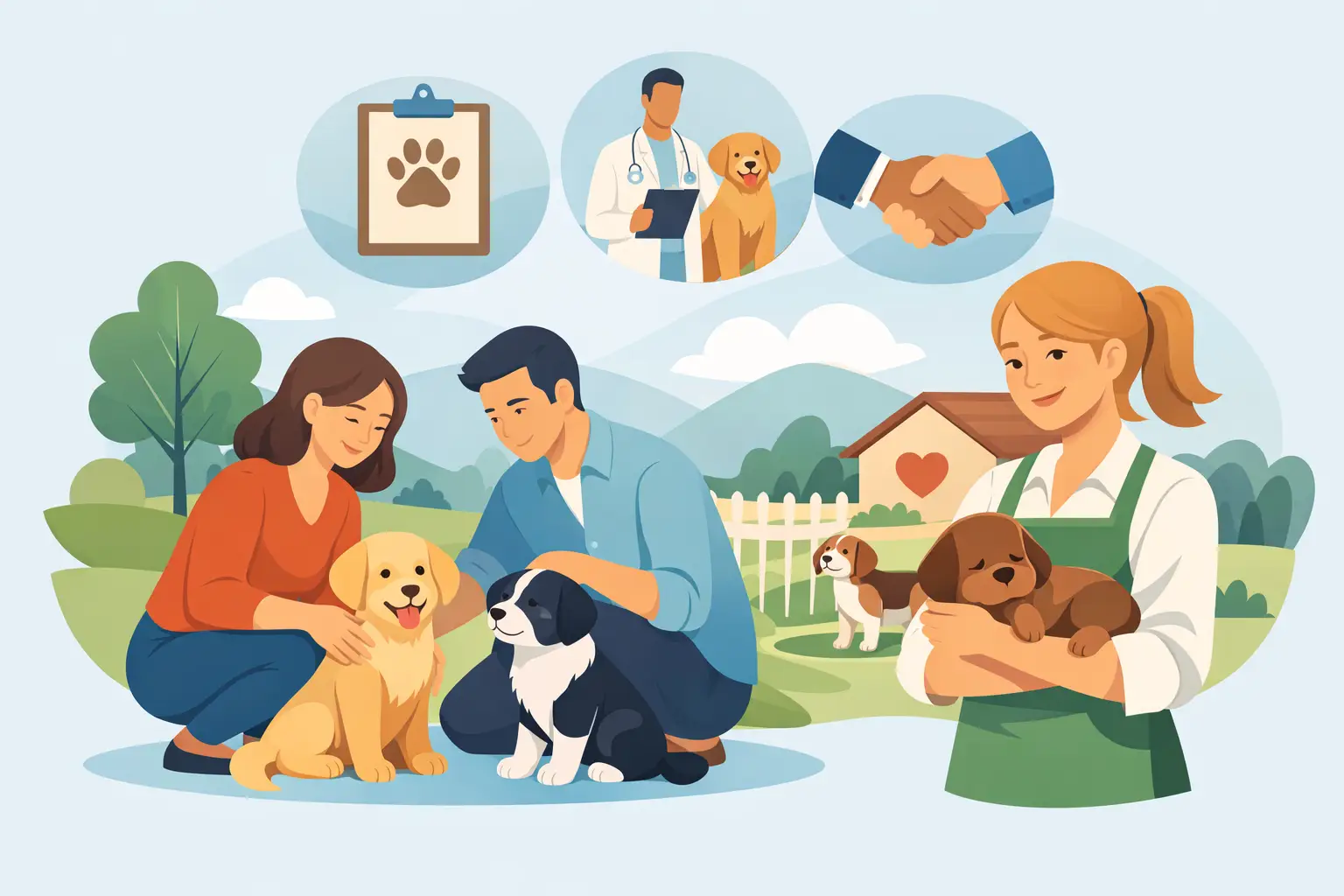
One of the clearest signs of responsible breeding is documented, breed-appropriate health testing for parent dogs. A statement such as “vet checked” is not the same as comprehensive genetic and orthopedic screening. Routine veterinary care is essential, but it does not replace intentional testing before a dog is included in a breeding program.
For Australian Labradoodles, families should feel comfortable asking what testing has been completed and what the results mean. Depending on the lines and breeding program, that conversation may include genetic screening as well as evaluations related to hips, elbows, eyes, heart health, or other inherited concerns. The exact panel can vary, but the breeder should be able to explain their standards without becoming defensive.
It is also wise to ask how results guide breeding decisions. A responsible breeder understands that genetics require judgment. For example, a dog that carries a recessive condition may sometimes be bred thoughtfully to a clear mate, while a dog affected by a serious inherited disease should not be used in a way that knowingly produces affected puppies. The point is not to expect a breeder to use technical language. It is to look for a program with a clear, responsible plan.
Health records, vaccination and deworming information, and a written health agreement should be provided at the appropriate point in the process. Read that agreement carefully. A fair contract explains responsibilities on both sides, including what you must do to protect your puppy’s health after going home.
The Puppies Are Raised as Part of Real Life
Early weeks matter. Puppies learn about the world through the sounds, surfaces, routines, handling, and gentle experiences around them. An in-home environment can offer valuable exposure to everyday family life, such as normal household sounds, human interaction, grooming preparation, and age-appropriate play. That foundation helps prepare a puppy for the transition into a family home.
Still, “raised in a home” should mean more than a phrase on a website. Ask what daily care looks like. Are the puppies handled regularly and observed closely? Are their living spaces clean, safe, and suited to their developmental stage? How are they introduced to new experiences without overwhelming them? Are they beginning age-appropriate routines that will help with crate comfort, potty training, and gentle grooming?
A responsible breeder also protects young puppies from unnecessary exposure to illness. Some breeders limit in-person visits during the earliest weeks for biosecurity reasons. That can be a thoughtful practice, not a red flag, as long as they provide clear communication and appropriate ways for families to see the puppies and understand their care. The key is whether the breeder can explain the policy and whether the puppies’ welfare remains at the center of it.
Temperament Is Treated as a Priority
For many families, the appeal of an Australian Labradoodle is not only the coat but also the breed’s friendly, intuitive, people-focused nature. Yet no puppy comes with a guaranteed personality, and ethical breeders do not promise that every dog will be ideal for every role. A family companion, a busy household dog, and a future therapy prospect may need different strengths.
Look for a breeder who considers stable, affectionate, trainable temperaments in both parent dogs and who takes time to get to know each puppy. They may use observations or temperament assessments to help guide placements. That does not mean a breeder can predict every detail of an adult dog’s personality. It does mean they are making an informed match rather than assigning puppies only by deposit order or coat color.
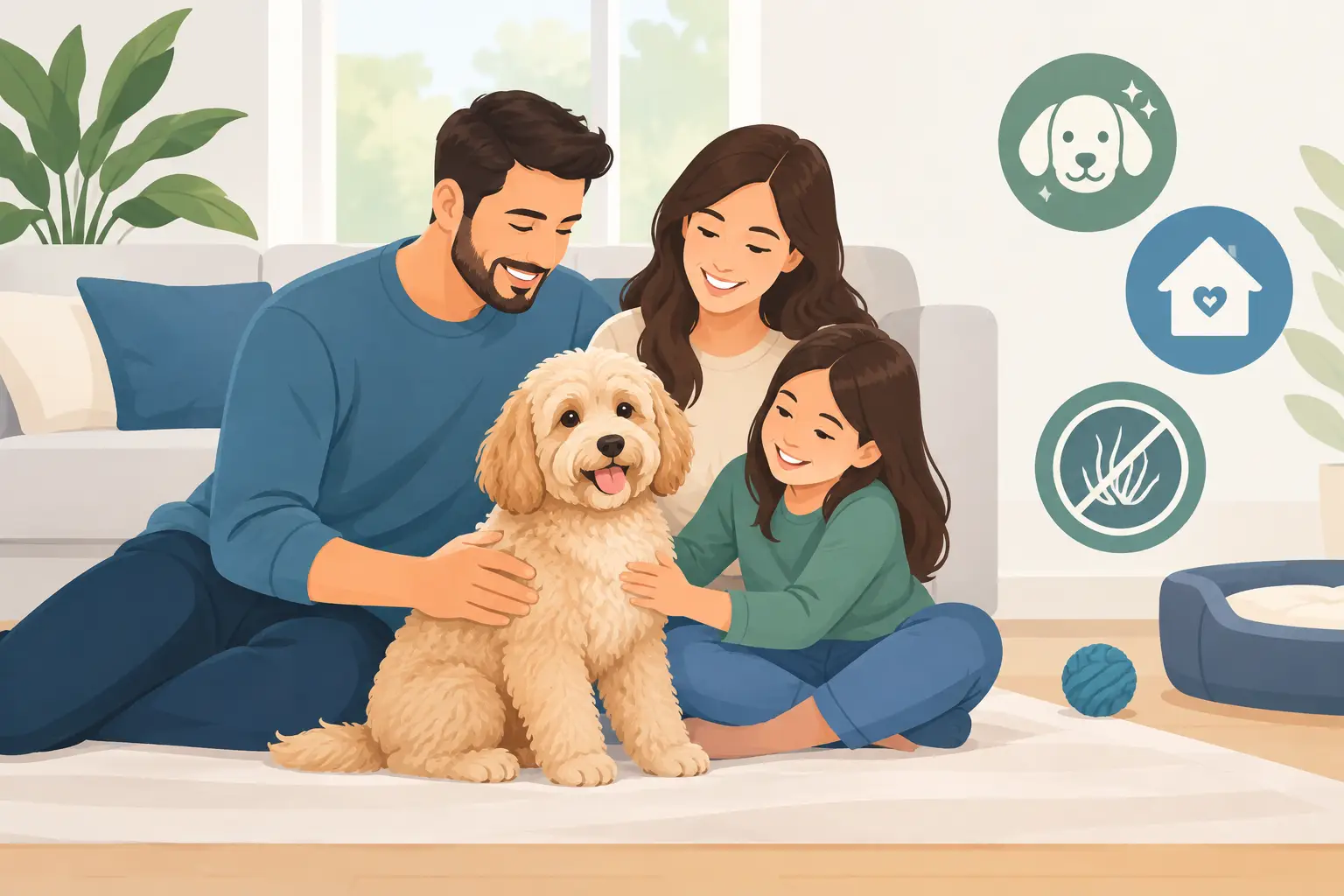
This is especially helpful for first-time owners, families with children, and households hoping for a low-shedding companion. A good match considers more than appearance. Energy level, confidence, sensitivity, and the home’s daily rhythm all deserve attention.
The Breeder Has Standards for Families, Too
An ethical breeder wants their puppies to be loved for life. That usually means an application, a conversation, or both. While the process may feel more involved than buying from a classified ad, it reflects genuine care for each puppy’s future.
The contract should address what happens if you can no longer keep your dog. Responsible breeders commonly require that the dog be returned to them or that they help with safe rehoming rather than allowing the dog to be passed from home to home. This commitment is one of the strongest indicators that a breeder sees every puppy as a lifelong responsibility.
Be mindful of pressure tactics. A breeder may have a waitlist, planned litters, and clear deposit policies, which are normal for a carefully managed program. What should give you pause is pressure to send money immediately, vague answers about timing, or an insistence that you choose without adequate information. The right puppy is worth waiting for.
Support Does Not End at Pickup Day
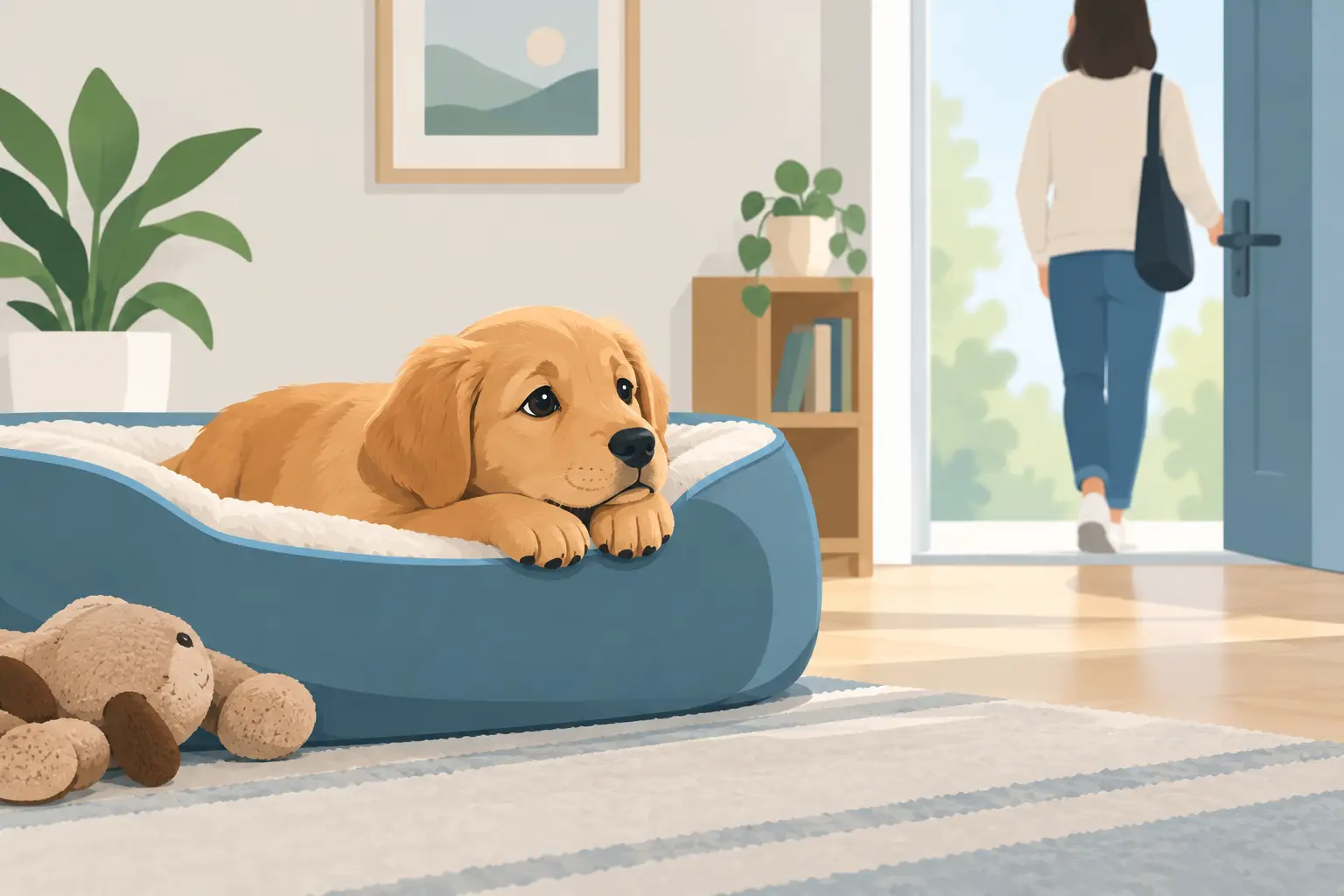
Bringing home a puppy often raises more questions than families expect. What food should you use? How do you handle the first night in the crate? When should grooming begin? How do you introduce children, resident pets, or a new routine without creating stress?
A responsible breeder prepares families for these moments. They provide practical guidance for the transition home and remain a reliable resource when reasonable questions arise. That support does not replace your veterinarian, trainer, or groomer, but it gives you a knowledgeable starting point from someone who knows your puppy’s early history.
At Providence Hill Australian Labradoodles, we believe preparation is part of responsible placement. Families deserve clear information about puppy care, training foundations, nutrition, grooming needs, and the adjustment period, not just a handoff on go-home day.
Watch for Patterns, Not One Perfect Detail
No single factor tells the whole story. A breeder may have an excellent website but provide little health documentation. Another may have a simpler online presence yet offer thorough records, thoughtful answers, and exceptionally well-cared-for dogs. Look at the full pattern: health practices, living conditions, communication, matching process, contract, and long-term commitment.
Trust your instincts when answers remain vague or inconsistent. If you are not permitted to ask about parent dogs, cannot receive clear health information, are offered a puppy with no questions about your home, or feel pushed to pay before you understand the process, it is reasonable to step back.
The best breeder relationship begins before your puppy arrives. Ask careful questions, take your time with the answers, and choose the program that treats your future companion like the treasured family member they are meant to become.