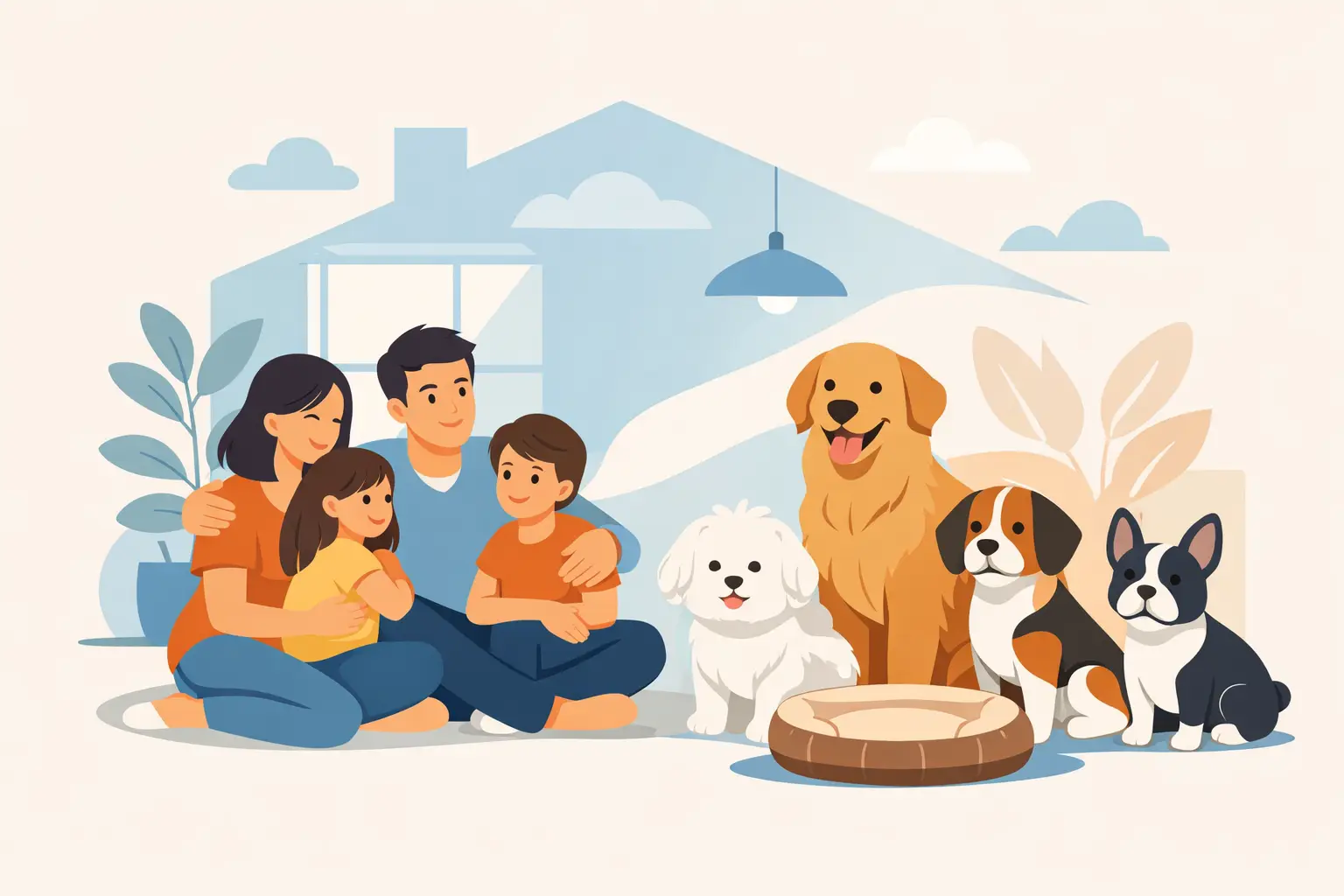
A dog can become the child who follows your kids from room to room, the walking partner who gets you outside after work, and the quiet comfort beside you at the end of a hard day. That is why choosing from the best family companion dog breeds is about more than finding a cute puppy. It is about finding a dog whose temperament, energy, grooming needs, and size genuinely fit the life your family already leads.
The right match is rarely the breed with the most appealing photo. A wonderful family dog needs patient, people-oriented breeding, thoughtful early socialization, consistent training, and a home prepared to meet its needs for years to come. Breed tendencies are helpful, but every puppy is an individual. A responsible breeder should be able to speak clearly about the health testing, temperaments, and early experiences behind each litter.
What Makes a Great Family Companion Dog?
Families often want the same core qualities: a dog that enjoys being around people, learns readily, recovers well from normal household activity, and can settle indoors after exercise. A dependable family companion should be affectionate without needing constant attention, playful without being unmanageable, and confident without being pushy.
For homes with children, patience and predictable temperament matter as much as friendliness. Even the gentlest dog needs adults to supervise interactions, teach children how to touch and approach a dog respectfully, and provide a quiet space where the dog can rest undisturbed. No breed should be expected to tolerate rough handling.
Coat care is another practical consideration. Low-shedding dogs can be a welcome fit for allergy-aware households, but low shedding does not mean no grooming. Curly and fleece coats require regular brushing and professional grooming to stay comfortable and mat-free. Likewise, a short-haired dog may need less clipping but still shed heavily around the home.
Best Family Companion Dog Breeds to Consider
Australian Labradoodle
Australian Labradoodles are often a natural choice for families seeking an affectionate, intelligent, low-shedding companion. When thoughtfully bred, they are known for their friendly, engaging nature and their desire to be closely involved with their people. Many enjoy learning, respond well to positive training, and can adapt to family routines that include children, visitors, and everyday activity.
Their size range can also make them easier to match to a household. A smaller dog may be more manageable for families with limited space, while a medium or standard dog can be a lovely fit for an active household that wants a sturdier companion. Their beautiful fleece or curly coats need a consistent brushing and grooming schedule. They are not maintenance-free, but many families find that regular care is a fair trade for reduced shedding.
The quality of breeding makes a meaningful difference. At Providence Hill Australian Labradoodles, puppies are raised in a home environment with an emphasis on health, socialization, and the loving, trainable temperaments families need.
Labrador Retriever
Labrador Retrievers have earned their reputation as devoted family dogs. They are outgoing, eager to please, and usually enthusiastic participants in hikes, games of fetch, swimming, and neighborhood walks. Their biddable nature can make training rewarding for first-time owners who are willing to be consistent.
The trade-off is energy and shedding. Young Labs are often boisterous, and they need daily physical exercise plus opportunities to use their brains. They shed a great deal, especially seasonally. A Labrador can thrive in a busy family, but it is not the best choice for a household that wants a calm dog with minimal hair around the house.
Golden Retriever
Golden Retrievers are cherished for their warmth, gentleness, and ability to form close relationships with family members. They are usually social dogs that enjoy play, training, and being included in daily life. Their soft mouths and patient reputations have made them especially popular with families.
Like Labs, Goldens need regular exercise and substantial grooming. Their longer coat sheds and benefits from frequent brushing, particularly during seasonal coat changes. Families should also look carefully for breeders who prioritize health screening and stable temperaments, rather than choosing based solely on a puppy’s appearance or immediate availability.
Poodle
Poodles are highly intelligent, athletic, and available in toy, miniature, and standard sizes. Their low-shedding curly coats can appeal to homes that are sensitive to pet hair, and their enthusiasm for training makes them excellent partners for families interested in obedience, tricks, or dog sports.
Their intelligence comes with a responsibility: Poodles can become bored if they do not receive enough engagement. They benefit from training games, sniff walks, and meaningful interaction, not just a quick trip outside. Their coats also require professional grooming on a reliable schedule. For the right family, that care supports a wonderful, affectionate companion.
Cavalier King Charles Spaniel
For families wanting a smaller, affectionate companion, the Cavalier King Charles Spaniel can be a lovely option. These dogs are often gentle, adaptable, and happiest when close to their people. They typically enjoy moderate walks and play but do not require the same level of activity as sporting breeds.
Their smaller size calls for extra care around toddlers, who may accidentally handle a small dog too roughly. They also shed and need routine brushing. Most importantly, prospective owners should work only with breeders who are transparent about health testing, as responsible health practices are essential in this breed.
Bichon Frise
The cheerful Bichon Frise is a compact companion with a sociable personality and a low-shedding coat. Many families appreciate its manageable size, playful outlook, and willingness to join in without needing miles of daily exercise. They can do well in apartments or smaller homes when they receive attention, training, and regular outings.
Bichons need frequent grooming, and their white coats may require additional upkeep around the eyes and mouth. Early housetraining and consistency are especially valuable with small breeds. A small dog may be easier to carry, but it still deserves the same structure, boundaries, and respectful handling as a larger one.
Match the Dog to Your Real Routine
Before choosing a breed, consider what an ordinary Tuesday looks like in your home. Are adults away for much of the day? Do you have young children, teenagers, or a quiet adult household? Is your family excited about daily walks in all weather, or are you hoping for a dog with more modest exercise needs? Honest answers prevent families from selecting a dog based on aspiration rather than lifestyle.
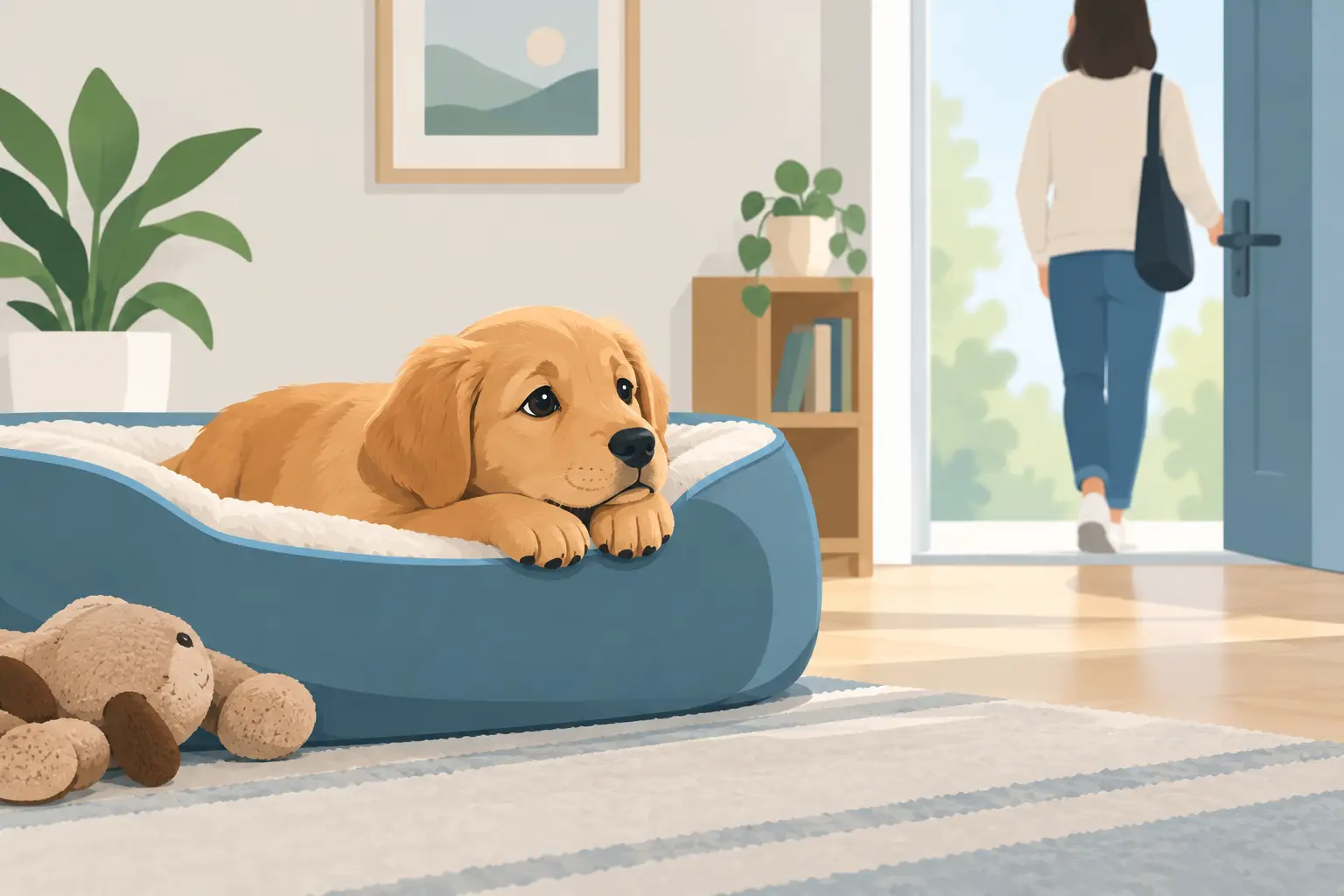
It also helps to think ahead. A puppy will need frequent potty breaks, patient training, socialization, grooming, veterinary care, and supervision. The early months are joyful, but they are also demanding. Families who make a plan for sleeping arrangements, puppy-proofing, feeding, exercise, and training classes are better positioned to enjoy that season rather than feel overwhelmed by it.
Energy should be matched carefully. An active dog does not automatically need a large yard, and a large yard does not replace walks, training, or companionship. A dog that is bred to work closely with people often needs connection as much as physical activity. Conversely, a family that loves long walks and weekend adventures may find a moderate- to high-energy dog especially rewarding.
Why Breeder Practices Matter as Much as Breed
A breed label cannot promise a puppy’s future personality or health. Responsible breeding helps create a more predictable foundation through appropriate genetic and health screening, careful selection of parent dogs, and attention to temperament. Early puppy experiences also matter. Puppies benefit when they are gently introduced to normal household sounds, handling, people, and age-appropriate new experiences before they go home.
Ask direct questions about the parents’ temperaments, health clearances, socialization practices, and the support available after your puppy arrives. A trustworthy breeder welcomes thoughtful questions and wants to know about your home, too. The goal should be a lasting match, not simply a fast sale.
The best family dog is the one whose needs your family can meet with patience and consistency. Choose a puppy with care, prepare for the work of the first year, and you can make room for the kind of loyal companionship that quietly becomes part of every family memory.