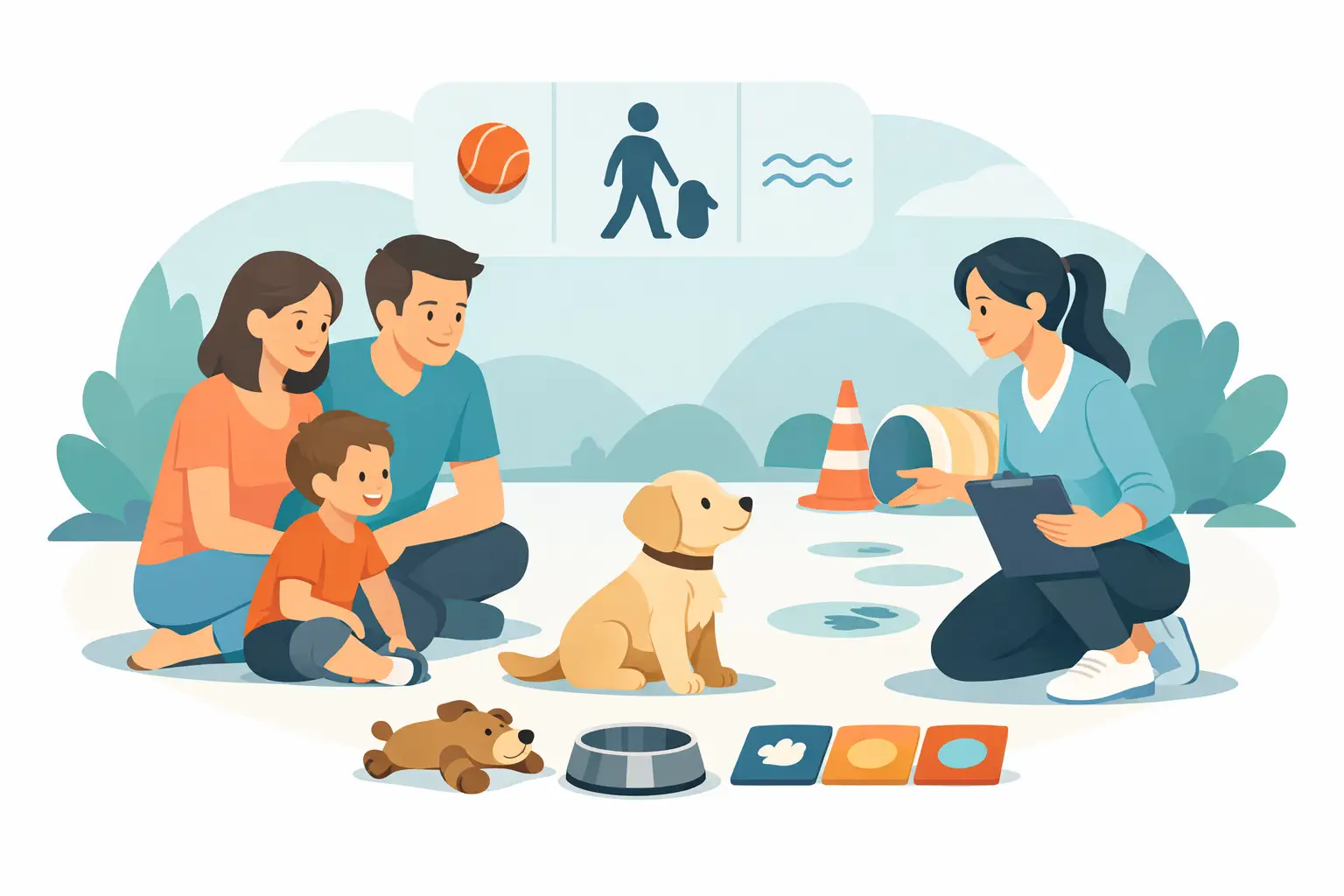
A puppy can be the first to trot over for a cuddle, the one exploring every corner of the room, or the quiet observer hanging back for a moment before joining in. Those early differences are real, which is why families often ask about puppy temperament testing explained in plain language. The goal is not to label a puppy as “good” or “bad.” It is to better understand each puppy’s developing personality and make a thoughtful match with the home where that puppy can thrive.
For families choosing an Australian Labradoodle, temperament matters as much as appearance. A beautiful coat is wonderful, but the right fit also considers your children, daily routine, experience with dogs, activity level, and hopes for life with your new companion.
Puppy Temperament Testing Explained: What It Measures
Puppy temperament testing is a structured observation of how a young puppy responds to everyday experiences. Depending on the breeder and the puppy’s age, this may include observing a puppy’s comfort with gentle handling, response to a new sound or object, willingness to follow a person, interest in play, recovery after a mild surprise, and ability to settle.
These observations can offer useful clues about tendencies. A puppy who quickly investigates a new toy may be naturally curious. One who pauses, watches, and then approaches may be more thoughtful or sensitive. A puppy who eagerly engages with people may enjoy frequent interaction, while another may prefer a slower introduction before becoming affectionate.
None of these responses is automatically better than another. A confident, energetic puppy may be a wonderful match for an active household that enjoys training and outings. A gentler, more easygoing puppy may fit beautifully with a family seeking a calm companion. The value of testing lies in matching, not ranking.
What a Temperament Test Cannot Promise
A single evaluation cannot predict a dog’s entire future personality. Puppies are still developing rapidly, and behavior changes with maturity, training, health, socialization, sleep, and the environment they grow up in. A puppy who seems cautious at seven weeks old may become quite confident with patient exposure and positive experiences. Likewise, an outgoing puppy still needs boundaries, rest, and consistent training.
Temperament is also not the same as behavior. Temperament refers to underlying tendencies, such as adaptability, sociability, sensitivity, and energy. Behavior is what a dog does in a specific moment. A tired puppy may seem less engaged. A puppy having an especially playful morning may appear bolder than usual. That is why responsible breeders look for patterns across time rather than making a life-long judgment based on one brief interaction.
Families should be cautious of anyone who promises that a test can guarantee a puppy will never be anxious, stubborn, excitable, or reactive. No ethical breeder can make that promise. What a careful evaluation can do is add another meaningful piece of information to a larger picture that includes genetics, early upbringing, health, and the puppy’s individual development.
Why Early Raising Matters Alongside Testing
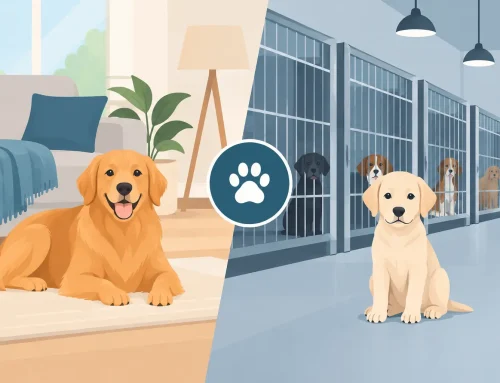
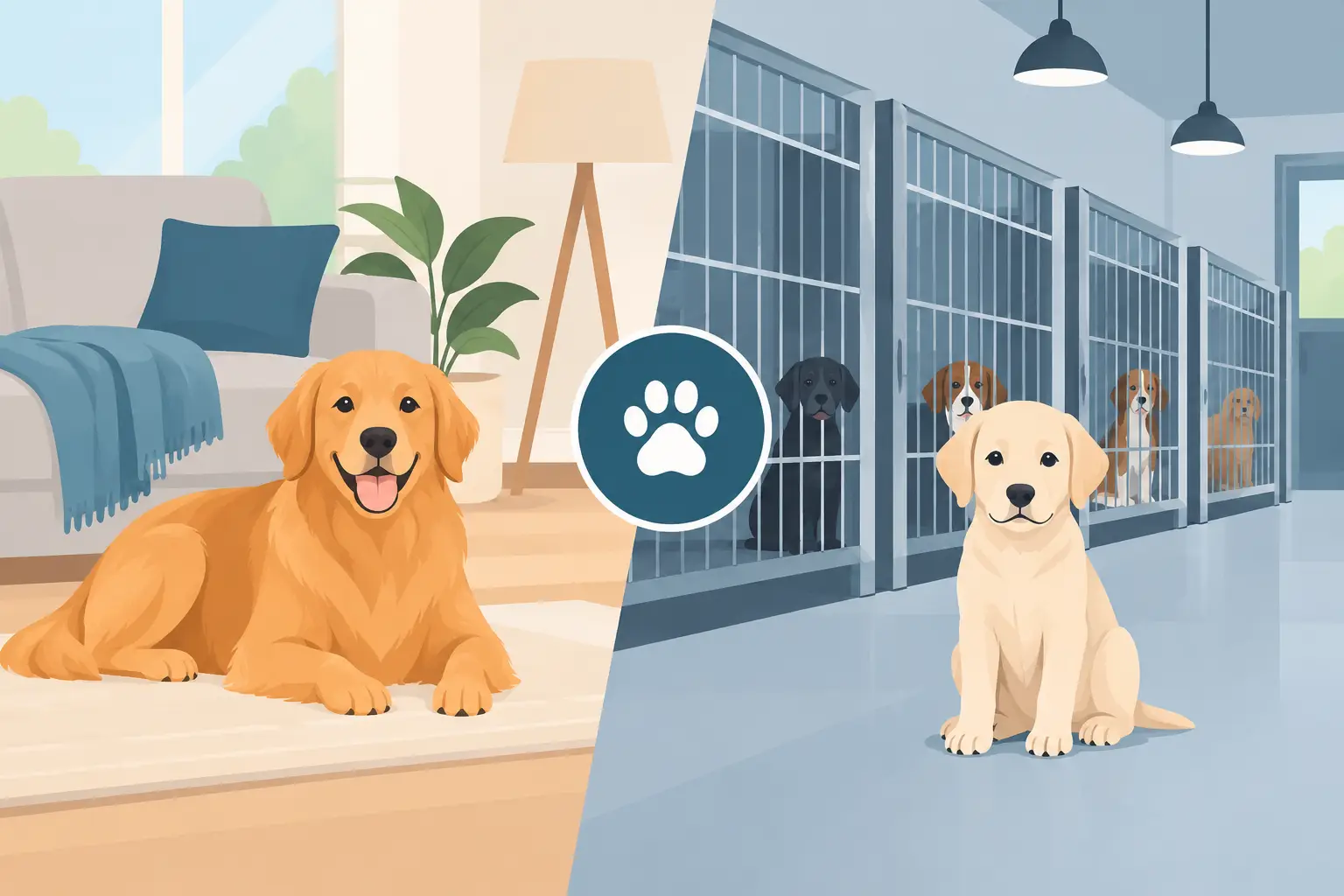
The first weeks of life are a major foundation for future confidence. Puppies benefit from gentle, age-appropriate exposure to household sounds, different surfaces, people, handling, grooming preparation, play, and calm periods of rest. This is one reason an in-home environment can be so valuable. Puppies begin learning that everyday family life is normal and safe.
Early socialization should never mean overwhelming a puppy. A young puppy does not need to meet dozens of strangers or visit busy public places to be well socialized. Positive, carefully paced experiences are more helpful than too much stimulation. A puppy who is given time to investigate, retreat, and try again builds resilience without unnecessary stress.
At Providence Hill Australian Labradoodles, the focus is not simply on a test score. It is on raising puppies with attentive daily handling and getting to know them as individuals. Those day-to-day observations often reveal more than a single formal exercise. A breeder can notice which puppy settles easily after play, which one seeks out people, which puppy is especially food-motivated, and which one needs a little extra time with new experiences.
How Breeders Use Temperament Information for Matching
The strongest puppy matching process begins with an honest conversation about your household. A breeder may ask whether you have young children, other pets, a flexible work schedule, or previous dog-training experience. They may also ask what you picture doing with your dog: relaxed evenings at home, neighborhood walks, travel, hiking, therapy work, or a mix of family activities.
These details matter because the “best” puppy is personal. A family with toddlers may appreciate a puppy that is patient with handling and able to recover quickly from normal household commotion. A couple hoping to build advanced training skills may enjoy a highly engaged, eager-to-work puppy. Someone who wants a quieter companion may be happiest with a puppy who has a naturally softer, more settled style.
Good matching also requires flexibility. Families sometimes arrive with a preference for a particular color, size, or gender, then discover that another puppy is a stronger temperament fit. Appearance is part of the excitement, but it should not outweigh the characteristics that shape daily life together for years.
Questions Worth Asking Your Breeder
When discussing a puppy’s personality, ask what the breeder has consistently seen rather than asking for a label. Helpful questions include: How does this puppy respond to new people? Does the puppy recover quickly after being startled? Is the puppy more playful, people-focused, independent, or relaxed? How does the puppy handle gentle grooming and being picked up? Which type of home does the breeder believe would suit this puppy best?
Listen for specific examples. “She is sweet” is encouraging, but “she greets visitors with a wag, plays for a few minutes, and then settles near our feet” gives you a more useful picture. A knowledgeable breeder should be comfortable explaining both a puppy’s strengths and the areas where that puppy may need more patient guidance.
What Families Can Do After Bringing Puppy Home
The match is only the beginning. Even a puppy with an ideal early temperament needs support in a new home. The first days should be calm and predictable, with a designated sleeping area, a simple routine, short training sessions, and plenty of naps. Over-scheduling visitors or introducing too many new experiences at once can make the transition harder.
Use positive reinforcement to build the behaviors you want to see. Reward your puppy for checking in with you, settling quietly, walking politely, and approaching new things with curiosity. If your puppy seems unsure, create distance and give them time. Confidence grows when a puppy learns that their family will listen and guide them.
Puppy classes, once your veterinarian says it is appropriate, can also be an excellent next step. Look for a class that uses reward-based training and allows puppies to learn at their own pace. The goal is not a perfectly obedient puppy in a few weeks. It is a dog who learns to trust you, communicate clearly, and handle the wider world with growing confidence.
A Thoughtful Match Creates a Better Beginning
Puppy temperament testing is most useful when it is treated as guidance, not a crystal ball. Combined with responsible breeding, health-focused planning, early socialization, breeder experience, and committed training at home, it can help families make a more informed choice.
The puppy who belongs in your home may not be the loudest, smallest, fluffiest, or first one to catch your eye. Often, the right puppy is the one whose developing personality fits naturally with the life you are ready to share. Give that relationship patience, structure, and affection from the start, and you create the kind of beginning a loving family companion deserves.