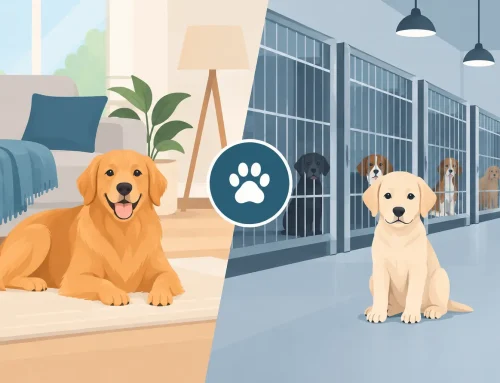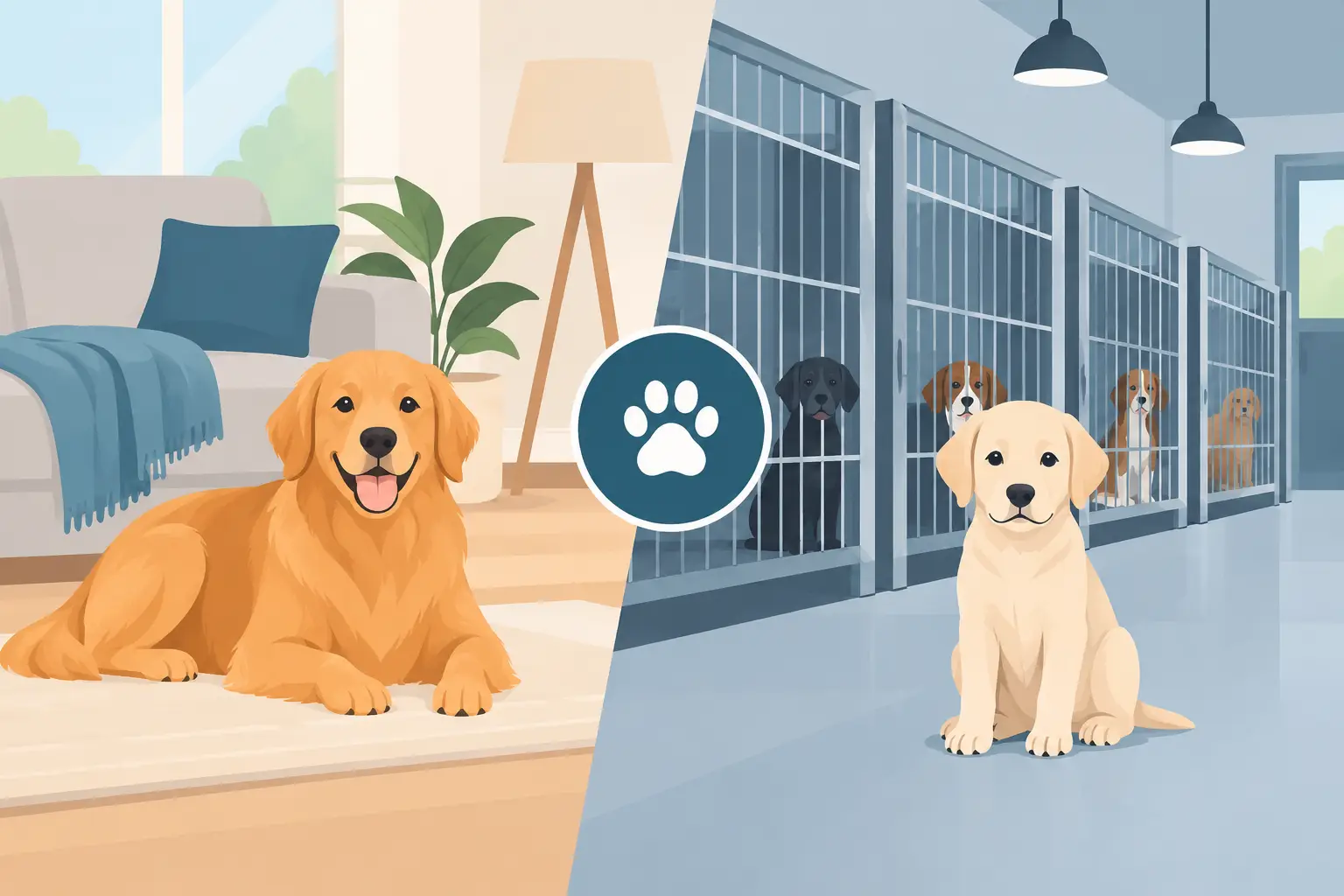
Choosing a puppy is not simply a matter of choosing the sweetest face in a litter. This temperament matching case study follows how a family’s daily routine, experience level, and hopes for their future dog helped guide a thoughtful Australian Labradoodle puppy match. The goal was not to find a “perfect” puppy. It was to place the right puppy with the family best prepared to help that individual thrive.
For families, this process can bring real peace of mind. A puppy’s early personality offers meaningful clues about how they may approach new people, play, rest, training, and change. Those clues are most helpful when considered alongside the home waiting for them.
The Family’s Real-Life Needs
This case study is based on a representative family profile, with identifying details changed. The family included two parents, a seven-year-old child, an eleven-year-old child, and an older cat. They lived in a suburban Virginia home with a fenced yard, but their weekdays were busy. One parent worked from home most days, while the other had a regular commute.
They were looking for a loving, low-shedding companion who could enjoy family activity without needing constant excitement. Their children wanted a playful dog. The parents wanted a puppy with a steady nature, strong trainability, and the ability to settle during work calls and evening homework.
Like many prospective puppy families, they initially described their ideal puppy as “calm.” As their conversations continued, that description became more specific. They did not want a puppy who was withdrawn or hesitant. They wanted one who could recover well from new experiences, engage warmly with people, and rest comfortably after play.
That distinction matters. A confident, adaptable puppy may be active and curious during playtime, then settle when the household quiets down. A quieter puppy may also be a wonderful fit, but may need a gentler approach to busy children, visitors, or unfamiliar places. Neither personality is better. The question is whether the puppy’s needs and the family’s lifestyle support each other.
What Temperament Matching Looks Like
At Providence Hill Australian Labradoodles, temperament is considered alongside health, structure, early socialization, and each family’s goals. Matching is not based on coat color or a quick first impression alone. It takes consistent observation over time.
During the early weeks, puppies show differences in how they respond to everyday experiences. Breeders can observe who readily approaches a new toy, who follows people closely, who is more independent, who bounces back after a surprise sound, and who naturally settles after activity. These observations do not predict every aspect of an adult dog’s personality. Genetics, training, socialization, health, and home environment all continue to shape a puppy as they grow.
Still, early patterns are useful. A well-run matching process connects those patterns to practical family needs rather than making broad promises.
The Traits This Family Needed
For this home, several qualities mattered more than selecting the most energetic or the most reserved puppy in the litter. The family needed a puppy who was people-oriented without becoming distressed when left briefly alone. They needed a puppy comfortable with gentle handling from children and responsive to redirection during play.
They also needed reasonable confidence around novelty. The older child hoped to participate in training classes and neighborhood walks. The parents planned to introduce the puppy gradually to friends, relatives, car rides, grooming, and the family cat. A puppy who could notice something new, take a moment to process it, and re-engage was likely to fit that plan well.
The family’s willingness to follow through was just as important. Even the best match needs consistency. They were prepared to use a crate appropriately, establish a predictable potty schedule, supervise child-puppy interactions, and continue positive training after bringing their puppy home.
The Litter Observations That Guided the Match
Within this representative litter, there were several friendly, healthy puppies with different styles of engagement. One puppy was the first to investigate every new object and had a high drive for play. Another preferred to watch for a moment before joining in. A third was especially affectionate and readily sought out people, but also settled quietly nearby after interaction.
The family was matched with the third puppy.
This puppy showed a balanced response in everyday handling and play observations. She approached people with interest, accepted gentle touch, and recovered quickly when interrupted by a new sound or change in activity. She enjoyed following a person around the room, yet she did not need constant attention to remain comfortable.
Importantly, she was not labeled “easy” or “finished.” At eight weeks, every puppy is still a baby. She would still need potty training, sleep, guidance around chewing, safe exposure to the world, and patient support through normal developmental stages. The match simply suggested that her natural tendencies aligned well with this family’s routine and expectations.
Preparing the Family for the Puppy They Were Getting
A good match does not end when a family receives a placement recommendation. It should shape the preparation that comes next.
Because this puppy was social and people-focused, the family was encouraged to protect her rest time. Children were given clear rules: let the puppy sleep, do not pick her up while she is eating, and invite her to play rather than chasing her. The adults planned short, positive training sessions that would give her connection and direction without overloading her.
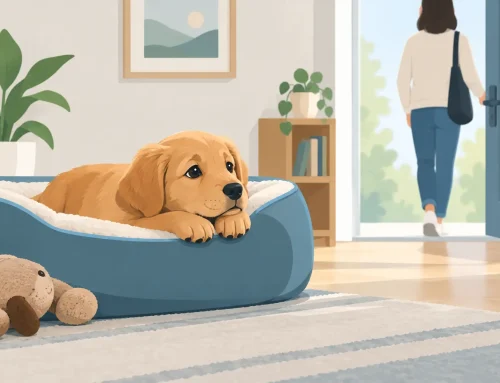
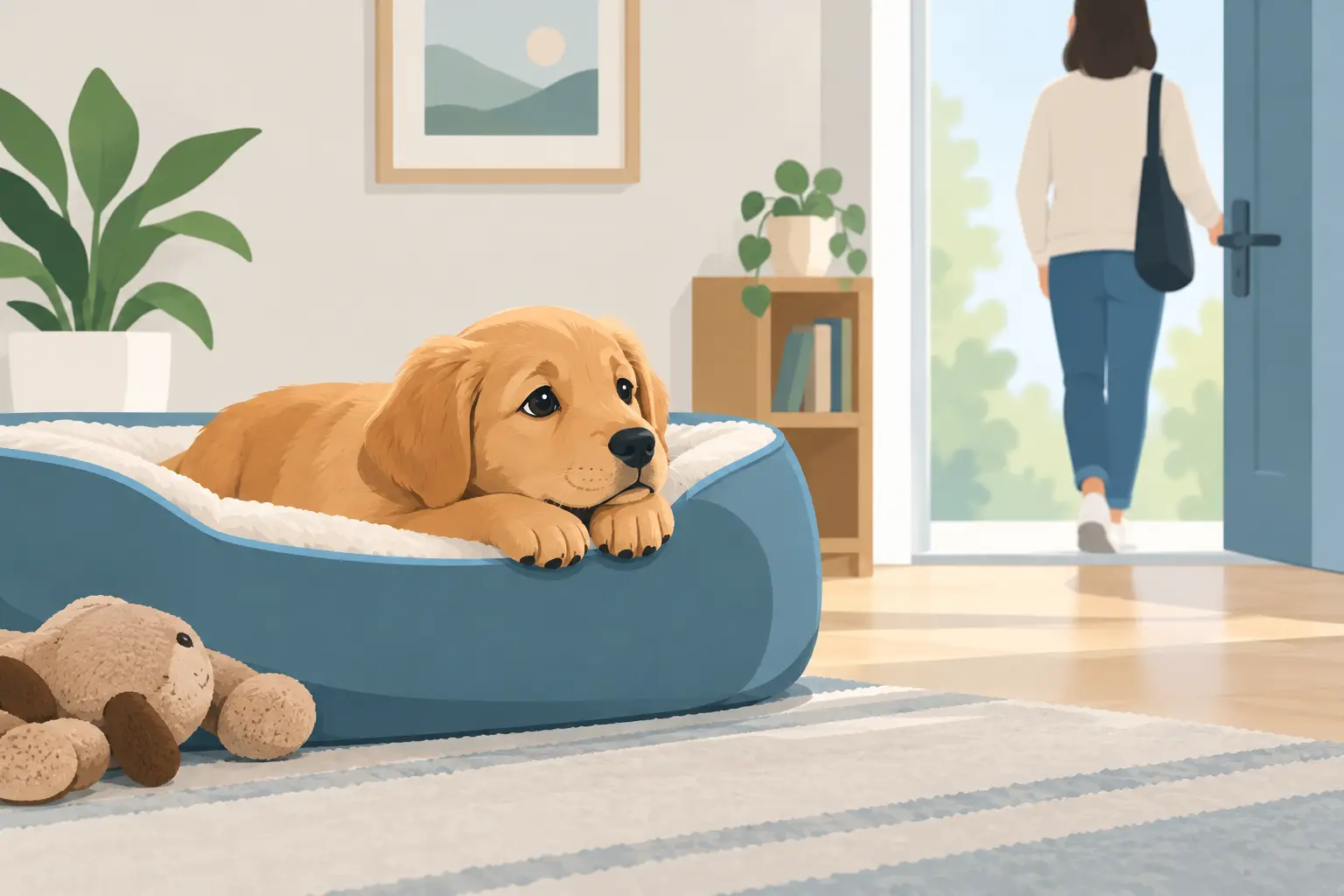
The work-from-home parent also made a practical plan for independence. It can be tempting to keep a new puppy close all day, especially when she is affectionate. But puppies benefit from learning that a crate, pen, or quiet puppy-safe space is a comfortable place to rest. Brief, age-appropriate periods of separation help prevent a puppy from believing that being alone is alarming.
For the cat, the family set up gates and elevated escape areas. Introductions were slow and supervised. The puppy’s curious nature could be an asset, but curiosity still needs boundaries. Calm observation and redirection were more useful than forcing interaction.
Training Expectations Matched to Temperament
This puppy responded well to food rewards and praise, so the family planned to build early skills through short, cheerful repetitions. Name recognition, coming when called, sitting before greetings, and trading a toy for a treat all gave the puppy a clear path to success.
Her interest in people also meant the family needed to avoid accidental habits such as jumping for attention. Visitors were asked to greet her only when she had four paws on the floor. The children practiced rewarding calm behavior, not only excited behavior. These small choices helped turn a naturally friendly puppy into a polite family companion.
The First Months at Home
During the first few weeks, the family found that the match fit their household in the ways they hoped. The puppy enjoyed playing with the children in short bursts, then settled with a chew near the home office. She adapted well to a structured nap schedule and began responding to her name quickly.
There were also normal challenges. She protested some crate naps at first. She had occasional accidents when the family stretched the potty schedule too long. Her enthusiasm around the cat required continued supervision. None of these moments meant the match was wrong. They were part of raising a young puppy responsibly.
The family’s consistency made the difference. They adjusted their routine, kept training sessions brief, and made sure the children understood that kindness includes giving a puppy space. Over time, the puppy became more confident with grooming, car rides, and calm greetings with new people.
Why a Temperament Match Is More Than a Personality Label
Families often ask whether they should choose a playful puppy, a cuddly puppy, or the “calmest” puppy. Those labels can be helpful starting points, but they are incomplete. A playful puppy may also be highly trainable and able to settle. A cuddly puppy may need more help building independence. A quieter puppy may be wonderfully observant but need slower introductions to a busy household.
The strongest placement decisions consider the whole picture: the puppy’s developing traits, the parents’ temperaments, the quality of early care, and the family’s capacity to provide structure. It also depends on what the family means by phrases like “active,” “gentle,” or “good with children.” Honest conversations turn those broad hopes into a plan.
A thoughtfully matched Australian Labradoodle puppy can become a cherished part of family life, but the relationship is built one routine, one training session, and one patient day at a time. The best next step for any family is to be candid about their home and ready to meet the puppy they bring home with the same care they hope to receive.