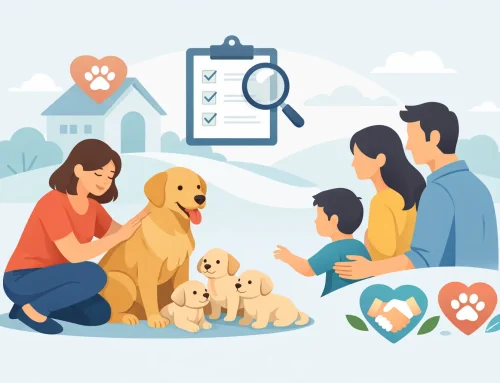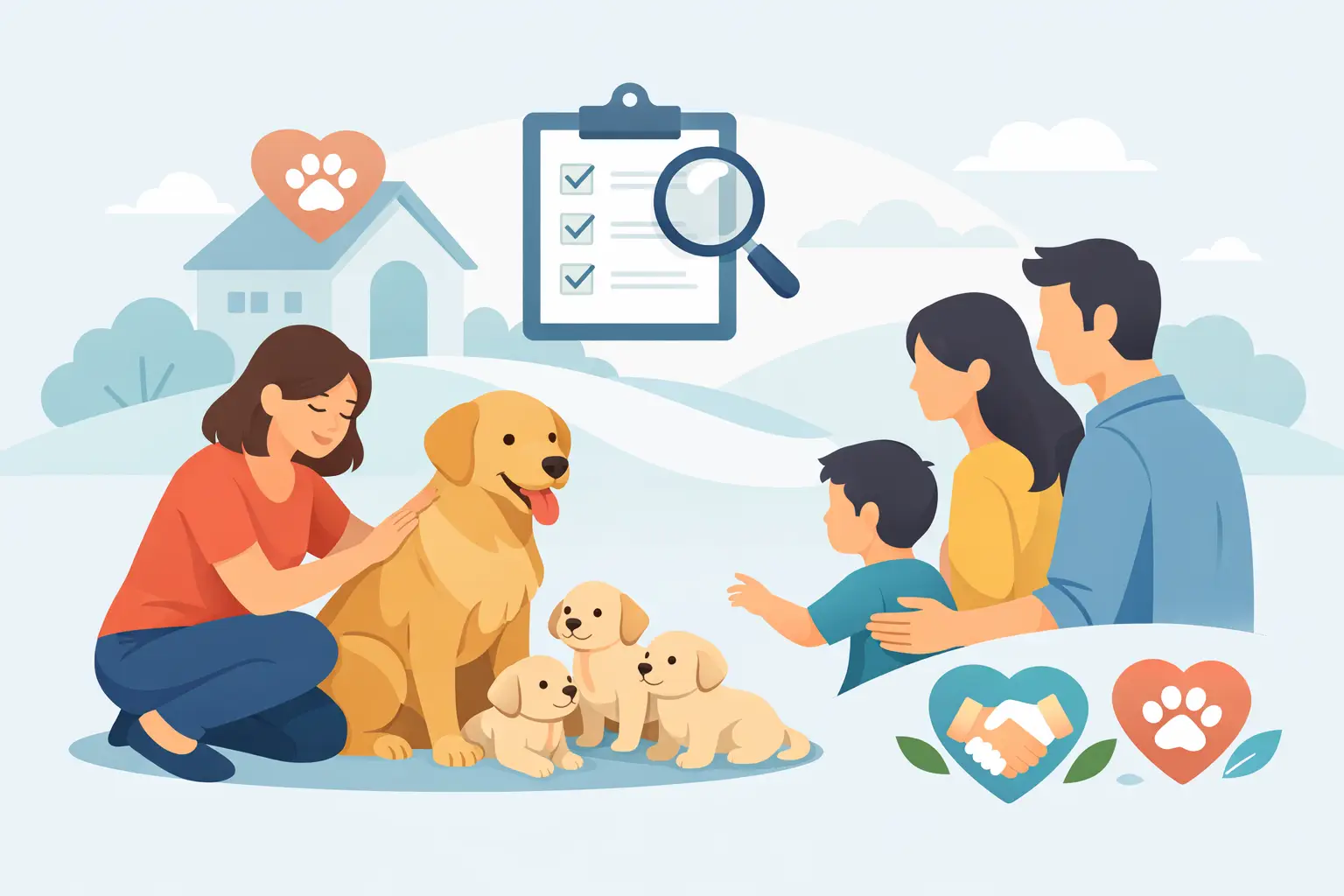
The first few minutes between a child and a new puppy can shape the tone of their relationship for weeks to come. Knowing how to introduce a puppy to children is less about creating a picture-perfect welcome-home moment and more about setting calm, kind expectations for everyone. A puppy is leaving familiar littermates and routines behind, while children are often bursting with excitement. With a little preparation, that excitement can become the beginning of a safe, loving bond.
Australian Labradoodles are often wonderfully people-focused, affectionate companions, but every puppy is still an individual. Even a confident, well-socialized puppy needs time to settle into a new home, learn household rhythms, and understand the children who will become part of its daily life.
Prepare Children Before the Puppy Arrives
The best introduction begins before your puppy walks through the door. Children should understand that a puppy is not a stuffed animal, a toy, or a playmate available at every moment. Puppies need sleep, quiet time, gentle handling, and help learning what is expected of them.
Keep the conversation positive and simple. Explain that they can help their puppy feel safe by using quiet voices, sitting calmly, and allowing the puppy to approach when ready. Younger children often understand concrete instructions best: “Hands low,” “One gentle pet,” and “Let the puppy walk away.” Older children can take on more responsibility, such as helping refill a water bowl with an adult or practicing short training sessions.
It also helps to decide ahead of time which spaces belong to the puppy. A crate, pen, or gated quiet area should be treated as a no-kid zone. Your puppy needs a reliable place to rest without being touched, followed, or invited out to play. This one boundary prevents many stressful interactions and teaches children to respect a dog’s need for space.
How to Introduce a Puppy to Children on Day One
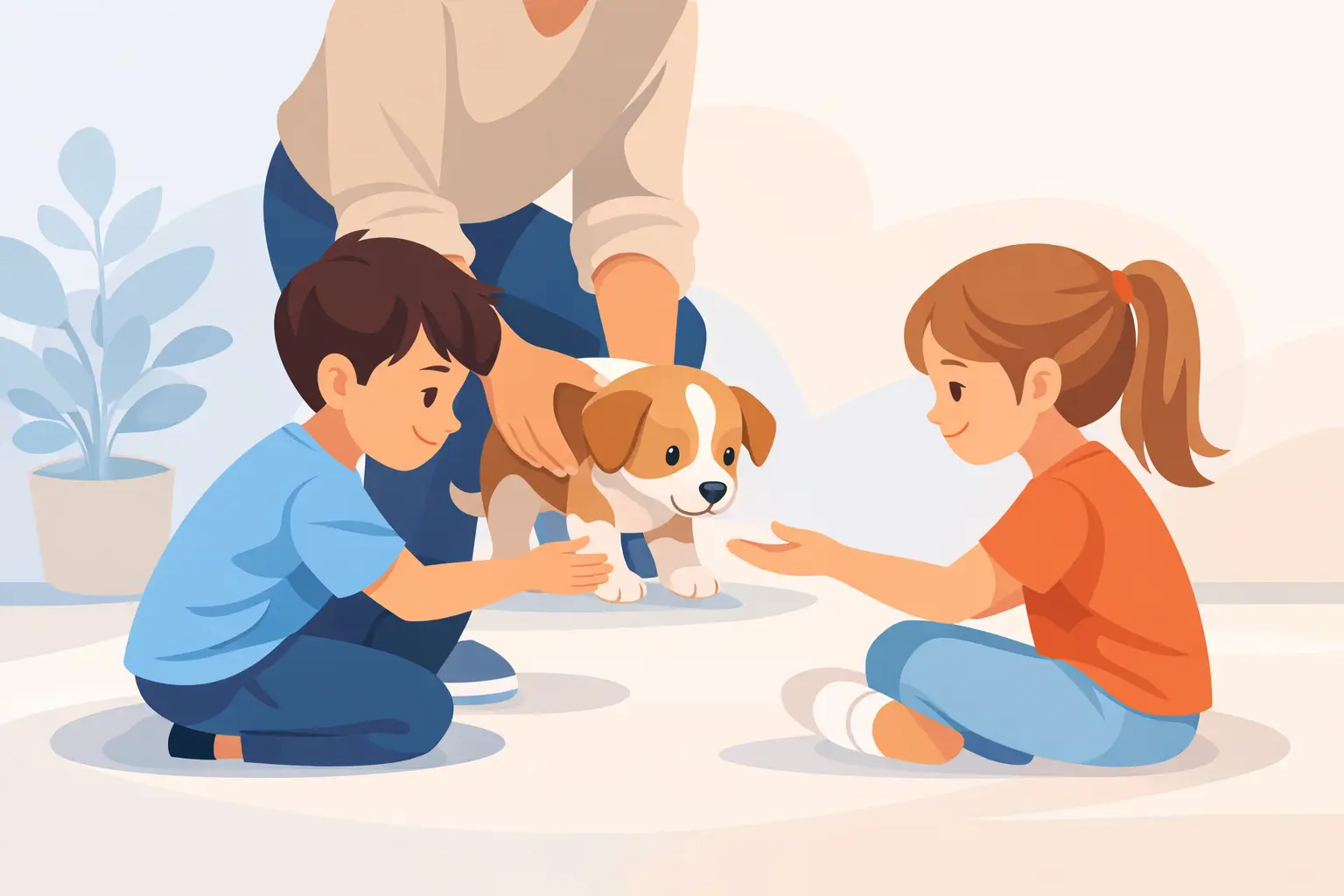
When your puppy first comes home, keep the welcome small and calm. One or two children at a time is usually easier than a room full of eager relatives, neighbors, and friends. Have children sit on the floor or in a chair rather than crowding over the puppy. An adult should bring the puppy into the space on a leash or allow the puppy to walk in from a secure pen area.
Ask children to turn slightly sideways, keep their hands still, and avoid direct eye contact at first. This may feel counterintuitive to a child who wants to say hello right away, but it gives the puppy a chance to investigate without pressure. If your puppy approaches, children can offer a gentle stroke along the shoulder or chest. Avoid reaching over the head, hugging, lifting, or putting faces close to the puppy’s face.
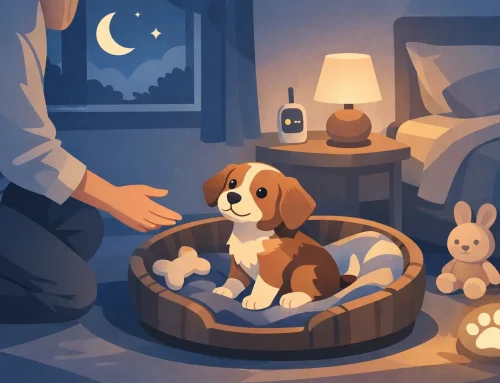
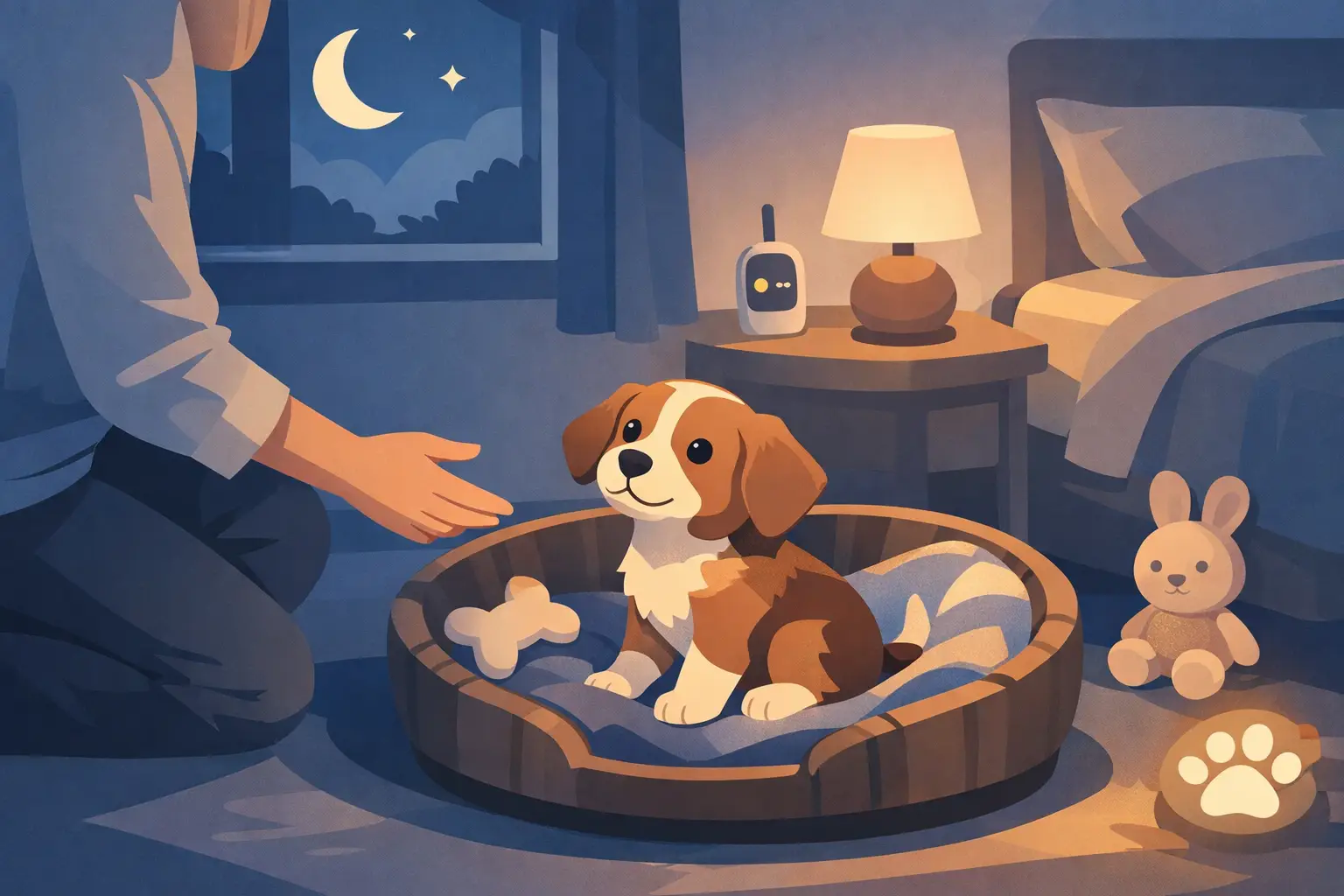
A brief first greeting is enough. After a few calm minutes, let the puppy explore a quiet area, have a drink, or rest in its crate or pen. Puppies can become overtired quickly, and an overtired puppy may become mouthy, jumpy, or less able to make good choices. A peaceful start is more valuable than a long play session.
Teach Gentle Touch and Respectful Play
Children do not automatically know what gentle means to a puppy. Show them instead of simply saying it. Guide a child to use an open hand and pet slowly from the shoulder toward the back. Explain that pulling ears, grabbing paws, holding a tail, or climbing on a dog can hurt or frighten it, even if the puppy seems patient in the moment.
Puppy teeth are sharp, and mouthing is a normal part of development. Children may feel startled when a puppy nips at sleeves, fingers, or shoelaces. Teach them not to squeal, run, push the puppy away, or wave their arms. Those reactions can make the game more exciting for a puppy.
Instead, children should become still, calmly stand up, and get an adult. The adult can redirect the puppy to an appropriate chew toy or offer a brief reset in a safe area. Consistent redirection teaches the puppy what belongs in its mouth while helping children feel confident rather than fearful.
Active play needs structure, too. A gentle toss-and-return game with a soft toy can be fun, but wrestling, chase games, and roughhousing should wait or be avoided altogether. A child running away from a puppy may accidentally invite chasing and nipping. Choose activities that reward calm behavior, such as tossing a treat into the grass for a supervised sniffing game or practicing a simple sit with an adult nearby.
Supervision Means Being Close Enough to Help
Even the sweetest family dog should not be left alone with a young child. Supervision does not mean checking from across the room while preparing dinner. It means an attentive adult is close enough to see body language, guide the child, and step in before either puppy or child becomes overwhelmed.
Watch the puppy for signs it needs a break. Turning away, lip licking, yawning when not tired, freezing, hiding, repeatedly walking off, or becoming overly bouncy can all signal discomfort, fatigue, or overstimulation. These signals are not bad behavior. They are your puppy’s way of communicating.
Children also need breaks. A new puppy can be exciting, but constant responsibility can feel like a lot, especially for young children. Give them short, successful interactions rather than expecting them to entertain or train the puppy for long stretches. Ten calm minutes can build more trust than an hour of high-energy play.
Create Family Rules That Stay Consistent
A few clear rules help children understand their role and make training easier for your puppy. Keep the rules visible and repeat them often, especially during the first several weeks.
- Let sleeping puppies sleep.
- Keep hands away from the puppy’s food bowl and special chews.
- Never hug, climb on, or carry the puppy without adult guidance.
- Use gentle voices and gentle hands.
- Tell an adult if the puppy is hiding, growling, or seems scared.
A growl deserves special attention. Never punish a puppy for growling. A growl is valuable communication that says, “I am uncomfortable.” Calmly separate the puppy from the situation, give everyone space, and consider what led to the response. Was the puppy sleeping? Was a child too close to a chew? Was the room loud and busy? Addressing the cause is far safer than teaching a puppy not to warn you.
Give Children Meaningful, Age-Appropriate Jobs
Including children in care helps them develop empathy and gives the puppy positive reasons to look forward to family interaction. The task should match the child’s maturity level. A preschooler might help choose a toy or sprinkle kibble into a bowl while an adult holds it. A school-age child may help with supervised feeding, brushing, or practicing cues such as sit and down. Teenagers can be excellent partners for consistent training and calm walks once they understand leash safety.
Treat-based training is especially useful because it gives children a positive, predictable way to interact. Keep sessions short, use tiny treats, and have an adult oversee the process. If a child is frustrated or the puppy is too excited to focus, end on an easy success and try again later.
Let the Relationship Grow at the Puppy’s Pace
Some puppies happily greet every child from the first day. Others need a few days to relax, especially in a lively household. Neither response means something is wrong. The goal is not to force affection. The goal is to help the puppy learn that children are gentle, predictable, and good to be around.
Providence Hill Australian Labradoodles places great value on early socialization and family-ready temperaments, but thoughtful guidance at home remains essential. The routines you build now – quiet greetings, protected naps, supervised play, and kind handling – help turn early excitement into lifelong trust.
Your children do not need to be perfect puppy experts on day one. They simply need patient coaching, consistent boundaries, and opportunities to practice kindness. Give your puppy the same grace as it learns your family’s rhythm, and the small moments of trust will soon become the ones your children remember most.