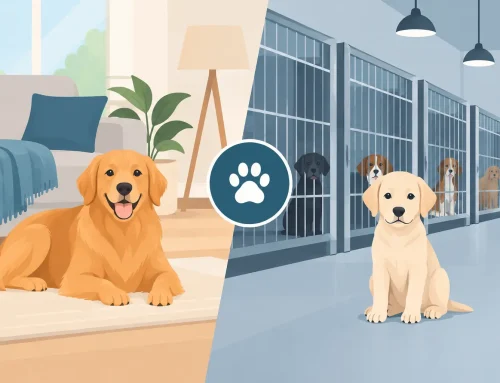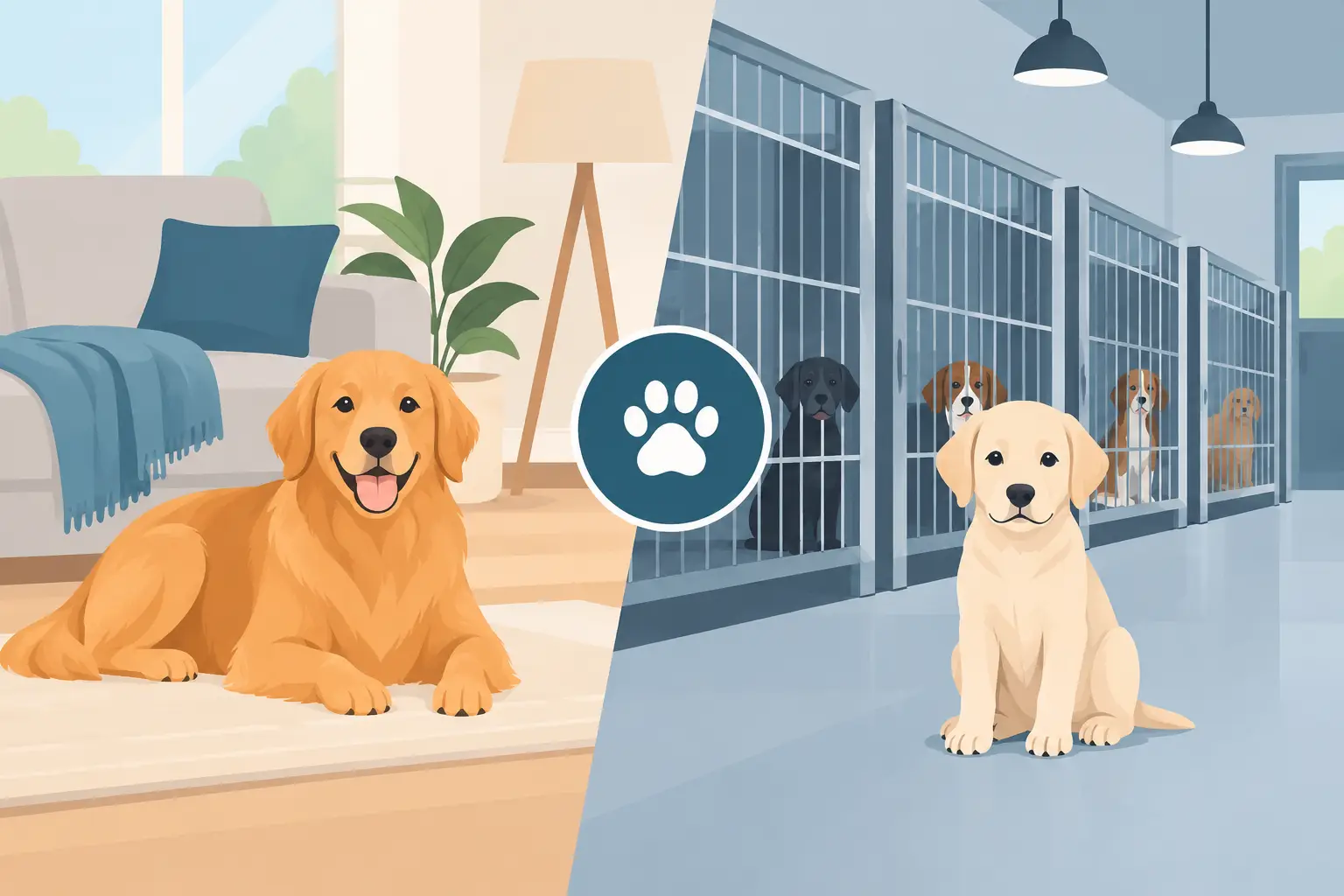

A puppy should not feel like an impulse purchase made between a bag of food and a new leash. When families compare pet store versus breeder puppies, they are really comparing two very different paths to welcoming a dog into their home. The right choice depends on the individual puppy and seller, but the questions you ask before bringing a puppy home can shape years of health, training, and companionship.
For families hoping for a friendly, low-shedding companion with a predictable temperament, the source matters just as much as the breed. A puppy’s earliest weeks are when care, handling, health oversight, and social experiences begin building the foundation for life in a family.
Pet Store Versus Breeder Puppies: The Meaning Behind the Choice
A pet store offers convenience. You may be able to see puppies immediately, speak with staff, and take home supplies in one visit. For a family that has been waiting for the right time to add a dog, that availability can be very tempting.
A responsible breeder usually asks for more patience. There may be an application, a conversation about your household, a waitlist, and a planned pickup date. This process can feel slower, but it gives both the breeder and the family time to make a thoughtful match. A good breeder is not simply placing puppies. They are learning which puppy may fit a home with young children, an active lifestyle, other pets, or first-time dog owners.
Neither label alone tells the whole story. Some stores may work with local rescue organizations or reputable partners, while some people who call themselves breeders do not meet responsible standards. The key is to look beyond the sales setting and ask where the puppy came from, how it was raised, and what information is available about its parents and early development.
Start With the Puppy’s Origin
One of the most important questions is also one of the simplest: Where was this puppy born and raised?
With a responsible in-home breeder, families should be able to learn about the puppy’s parents, their health testing, their temperaments, and the environment where the litter was raised. The breeder should be comfortable explaining their program in clear language, including what they test for and why. For breeds and lines that may carry inherited health concerns, genetic screening and thoughtful pairing are meaningful parts of responsible breeding.
Pet stores vary widely in how much origin information they provide. A store may have paperwork, but paperwork is only useful if it gives a family a real, verifiable picture of the puppy’s background. Ask whether you can learn the name and location of the breeder, review health records, and understand the conditions in which the puppy spent its first weeks.
Be cautious if answers are vague, rushed, or framed as something you should not worry about. A family deserves to know more than a puppy’s breed label and birthday. They deserve confidence that the puppy was raised with appropriate veterinary care, clean conditions, nutrition, and daily human attention.
Why parent dogs matter
A puppy’s parents influence far more than appearance. Their health history, structure, energy level, and temperament can offer useful insight into what a growing puppy may be like. No breeder can promise exactly how every puppy will develop, but careful selection gives families a more informed starting point.
For example, families seeking an Australian Labradoodle often value the breed’s affectionate nature, intelligence, trainability, and lower-shedding coat potential. Those traits are best supported when a breeder selects parent dogs with stable, family-friendly temperaments and appropriate health clearances, rather than breeding based only on color or demand.
Early Socialization Is Not an Extra
The first weeks of a puppy’s life are full of learning. Puppies begin noticing household sounds, being gently handled, encountering different surfaces, and forming early associations with people. These experiences do not replace training after pickup, but they can make the transition into family life much smoother.
A puppy raised in a caring home environment often has regular exposure to the ordinary rhythms of life: voices, vacuum sounds, gentle play, nap time, grooming touches, and supervised interaction with people. This early foundation is especially valuable for first-time owners who want a puppy that has already begun learning that the world is safe and people are kind.
When comparing sources, ask specific questions. Has the puppy been handled every day? What sounds, surfaces, and routines has it experienced? Has the breeder started crate familiarity, potty-training foundations, or basic grooming exposure? How do they respond when a puppy seems more reserved or more energetic than its littermates?
A knowledgeable breeder should be able to describe each puppy as an individual. They may explain that one puppy is especially people-focused, another is more playful, and another may be a calmer fit for a quieter household. That kind of observation takes time and daily involvement.
Health Records Should Be Clear, Not Complicated
Every puppy should receive appropriate veterinary attention before going home, but families should understand what records mean and what they do not mean. A veterinary exam is valuable, yet it is not the same as a long-term breeding program built around health testing and careful lineage planning.
Ask for documentation of vaccinations, deworming, examinations, and any health guarantee or contract. Then ask about the parent dogs’ screening. Depending on the breed, this may include genetic testing as well as evaluations related to hips, elbows, eyes, heart health, or other inherited concerns.
A responsible breeder will also be honest about the limits of any guarantee. Dogs are living beings, and no one can promise that a puppy will never experience a health issue. What a family should expect is transparency, a thoughtful approach to reducing avoidable risks, and support if questions arise after the puppy joins the family.
The Difference Is Often Support After Pickup
The first few days at home can be wonderful and tiring at the same time. Puppies need frequent potty breaks, consistent routines, patient crate training, safe socialization, and appropriate nutrition. New owners commonly have questions about chewing, sleep schedules, grooming, and what is normal during a puppy’s adjustment period.
This is where a breeder relationship can be especially meaningful. A committed breeder remains a resource after pickup, offering guidance based on familiarity with the puppy’s breed, development, and early routine. At Providence Hill Australian Labradoodles, we believe families should feel prepared before their puppy comes home and supported as they learn together.
A pet store may offer products, packages, or general advice, and some can be helpful. Still, general retail guidance is different from speaking with the person who has raised the litter, knows the parents, and understands the puppy’s early experiences.
Price Is Only Part of the Investment
Families sometimes compare the purchase price of pet store and breeder puppies without comparing what is included behind that number. A lower initial price may not reflect the same level of health testing, socialization, breeder access, records, or lifelong commitment to each puppy’s well-being. A higher price does not automatically prove quality either.
Instead of asking only, “What does this puppy cost?” ask, “What care, planning, and support stand behind this puppy?” Then consider the long-term budget for quality food, preventive veterinary care, training, grooming, supplies, and pet insurance if appropriate. A puppy is a family commitment, not a one-day transaction.
Questions That Help Families Choose Wisely
Before placing a deposit or bringing a puppy home, look for complete, consistent answers. Ask to see health documentation and learn about the parents. Ask how the puppies are socialized, what routine they follow, and how the seller helps match puppies to homes. Ask what happens if your family has questions after pickup or faces an unexpected change in circumstances.
Pay attention to the conversation itself. A responsible breeder should care about your home, schedule, experience, and expectations. They may ask whether you have children, how long the puppy will be alone during the day, and what kind of companion you hope to raise. Those questions are a sign that they are invested in a lasting match.
The best puppy source is one that welcomes your questions, shares information openly, and puts the puppy’s lifelong welfare ahead of a quick sale. Give yourself permission to slow down, learn the story behind the puppy, and choose a companion whose beginning has been as thoughtfully cared for as the home you are ready to provide.