
Bringing home a puppy is exciting, but the timing matters more than many families realize. If you are asking when can puppies leave mother, the short answer is not before 8 weeks old in most cases. That window is not just a tradition among responsible breeders. It is a key part of healthy physical development, emotional stability, and a smoother transition into family life.
For families searching for an Australian Labradoodle or any companion breed, this question often comes up because everyone is eager to meet their new puppy. But the final weeks with the litter are doing important work. A puppy may look ready at 6 or 7 weeks, yet there is still a great deal happening during that short stretch of time.
When can puppies leave mother?
In most situations, puppies should stay with their mother and littermates until at least 8 weeks of age. Many experienced breeders consider 8 weeks the minimum, not the ideal in every single case. Some puppies benefit from a little more time, especially if they are smaller, slower to mature, or still learning important social boundaries from their litter.
This is one of the clearest signs of responsible breeding. Good breeders do not rush puppies out the door simply because families are excited or because the puppies are eating on their own. Weaning is only one part of readiness. A puppy also needs time for social learning, confidence building, and early structure before moving into a completely new home.
State laws can also come into play. In many places, it is illegal to sell or transfer a puppy before 8 weeks. Even where laws vary, the developmental reason stays the same. Puppies need those early weeks with mom and littermates to become better-adjusted companions.
Why the 8-week mark matters
Between birth and 8 weeks, puppies go through rapid changes. In the beginning, their mother provides warmth, nursing, cleaning, and constant regulation. As they grow, her role changes. She starts teaching patience, bite control, and canine communication in ways humans simply cannot fully replace.
Littermates matter just as much. When puppies play together, they learn what happens when they bite too hard, push too much, or miss social cues. Another puppy yelps, walks away, or corrects them. Those tiny moments build self-control. They may seem small, but they help shape how a dog later interacts with children, visitors, and other pets.
By 8 weeks, most puppies are better prepared for separation because they have had enough time to become more independent while still feeling secure. That balance is important. Leaving too early can increase the risk of anxiety, poor frustration tolerance, and rougher play habits.
What happens if puppies leave too early?
A puppy removed from its mother and litter too soon may still do well with excellent care, but there is more room for avoidable problems. Early separation can affect behavior, stress response, and even ease of training.
One common issue is weaker bite inhibition. Puppies that miss enough litter interaction do not always learn how to moderate their mouths as effectively. In a family home, that can show up as harder nipping during play, especially with children.
You may also see more insecurity. Some puppies become clingier, more vocal, or more reactive to change. Others struggle with settling down alone. These are not guarantees, and every puppy is an individual, but breeders who have raised many litters tend to see the difference.
Early departure can also make transitions harder physically. A younger puppy may be less stable with eating, sleeping, and handling routine changes. Even if a puppy is technically weaned, that does not mean the puppy is fully ready for the stress of travel, a new environment, and separation from everything familiar.
Weaning is not the same as readiness
This is where many families get mixed messages. A puppy that is eating softened food or kibble may appear independent, but eating without mom is not the same thing as being ready to leave her. Weaning usually begins gradually, and by several weeks of age the puppy may nurse less often. Still, the mother continues to teach and regulate the litter long after nursing slows down.
That is why responsible breeders look at the whole puppy, not just the food bowl. Appetite, confidence, social behavior, sleep patterns, litter interaction, and stress recovery all matter. A well-raised puppy should not only be physically growing. It should also be learning how to engage the world in a healthy way.
Do some puppies need to stay longer?
Yes, sometimes they do. While 8 weeks is a common go-home age, not every puppy matures on the same schedule. A breeder who knows the litter well may decide that one puppy is ready at 8 weeks while another would benefit from a little more time.
This can happen with especially sensitive puppies, very small puppies, or puppies still gaining confidence in new experiences. It can also depend on logistics. If a family is traveling a long distance, flying with a puppy, or bringing a puppy into a particularly busy household, timing may deserve extra thought.
There is also a practical balance to keep in mind. Waiting much longer is not automatically better in every case. Once puppies reach the right developmental stage, bonding with their new family becomes very important. The goal is not to keep them indefinitely. The goal is to send them home at the point where they are prepared to thrive.
Signs a breeder is handling this stage responsibly
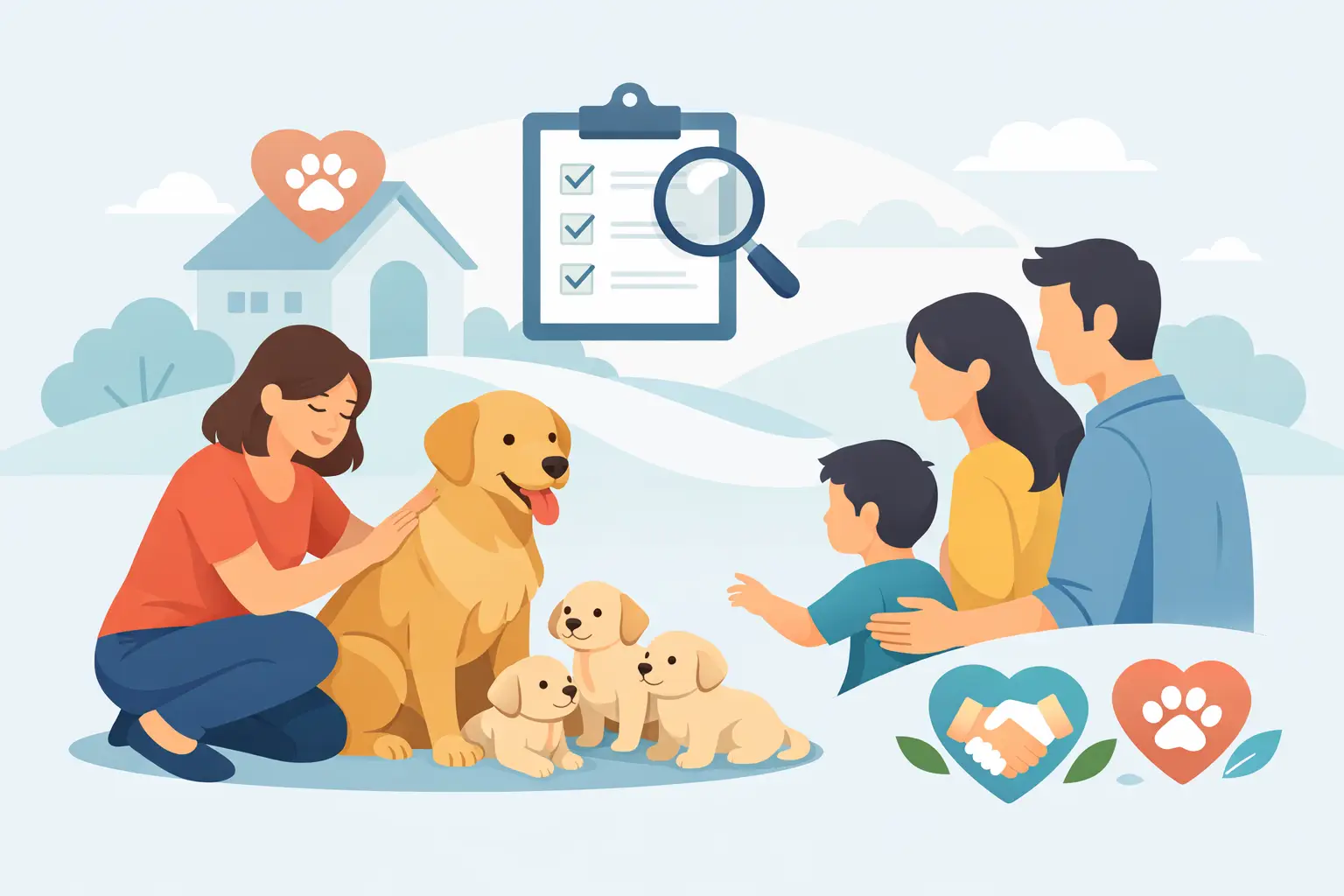
Families often focus on color, size, or coat, but the breeder’s timing and early care say a great deal about the quality of the program. A responsible breeder is not casual about when puppies leave mother. They have a clear process and can explain why it matters.
You should expect a breeder to talk openly about age, socialization, health checks, and how puppies are being raised before they go home. Puppies should be in a clean, nurturing environment with regular human interaction, not just waiting in a pen until pickup day. Early neurological development, gentle exposure to household sounds, handling, and age-appropriate routines all help prepare a puppy for family life.
At Providence Hill Australian Labradoodles, this kind of thoughtful early raising is part of producing puppies with the confident, affectionate temperaments families are looking for. Those first weeks shape much more than schedule. They shape the foundation your puppy brings home.
What families can do while waiting
Waiting until the right go-home age can feel long, especially for children counting down the days. But this is useful time. Families who prepare well often have a much smoother transition once the puppy arrives.
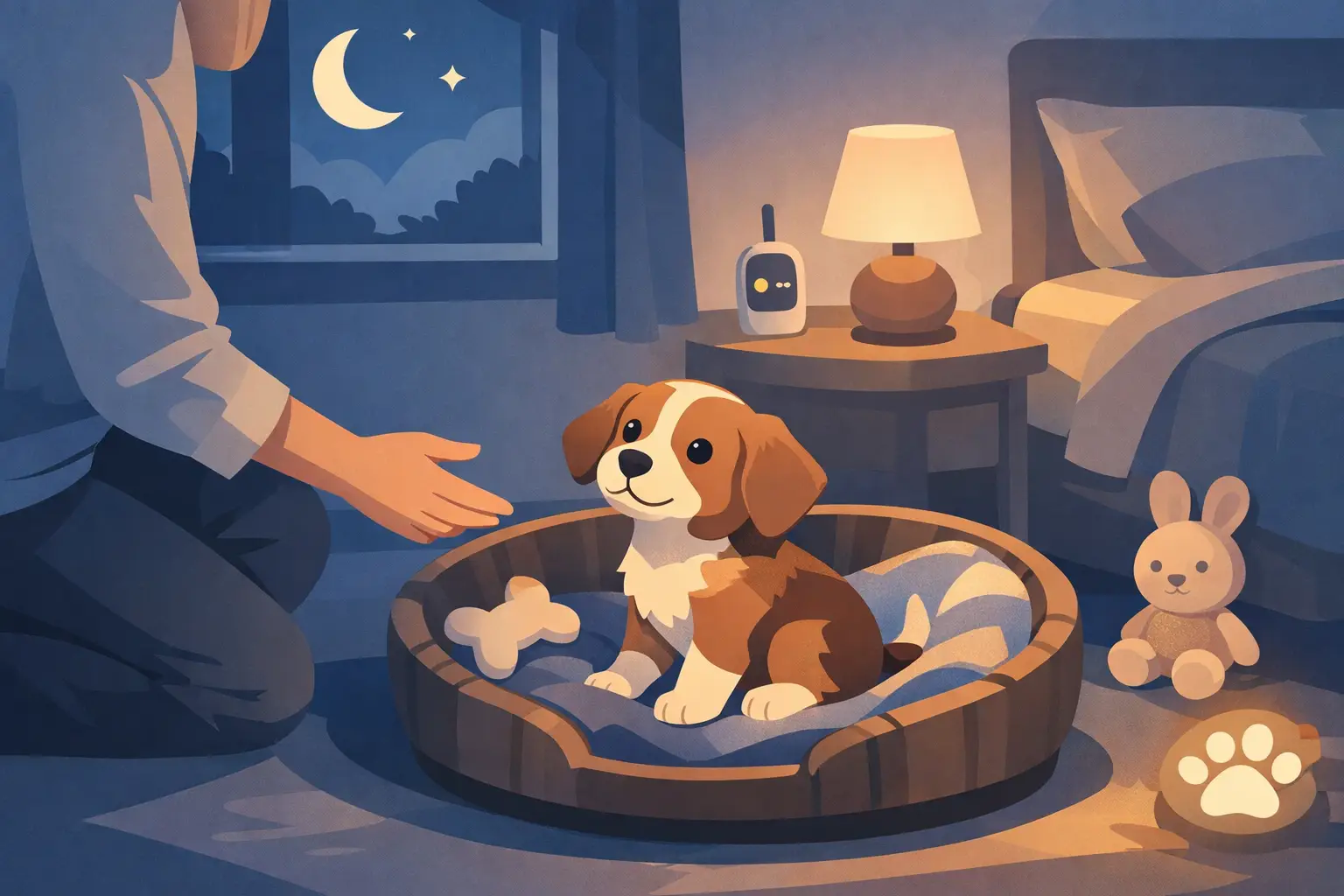
Use the waiting period to set up a crate, choose a feeding plan, puppy-proof the main living areas, and make sure everyone in the household understands the first-week routine. A young puppy needs consistency more than excitement. Planning ahead for potty breaks, nap times, chew toys, and gentle handling will help your puppy feel secure from day one.
It also helps to keep expectations realistic. Even a well-bred, well-socialized puppy is still a baby. There may be nighttime waking, some nipping, a learning curve with house training, and moments of uncertainty. The benefit of a properly timed transition is not perfection. It is a stronger starting point.
Questions to ask about when puppies can leave mother
If you are speaking with a breeder, ask direct questions. What age do puppies go home? Why was that timing chosen? How are they socialized before leaving? What milestones do you look for in each puppy?
The answers should feel thoughtful, not rushed. Be cautious if someone offers a puppy younger than 8 weeks without a compelling veterinary reason and a clear explanation. In most cases, early pickup is a red flag, not a bonus.
It is also wise to ask how the breeder supports the handoff. Good breeders know the transition does not end when the puppy leaves. They help families understand feeding, sleep, training, grooming, and early adjustment so the puppy can settle in with less stress.
The right time supports the right start
When families ask when can puppies leave mother, they are really asking a bigger question: when is a puppy truly ready for home? The answer is usually at or after 8 weeks, when physical growth, social learning, and emotional development have had time to take root.
That extra patience pays off. A puppy who stays with its mother and litter for the proper amount of time has a better chance of entering your home with the confidence and stability needed to grow into a wonderful companion. A few more days or weeks of waiting can shape years of life together, and that is always worth getting right.