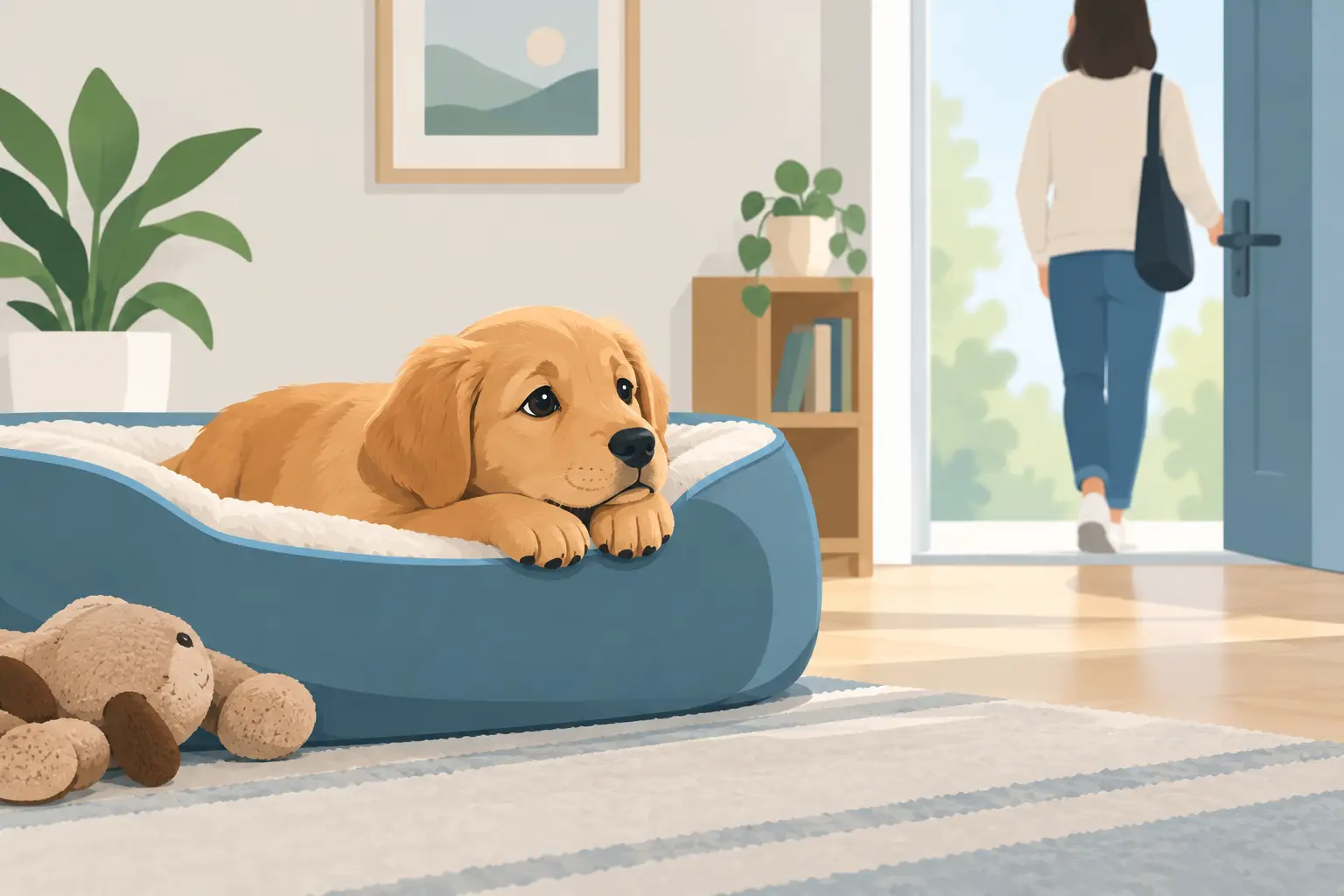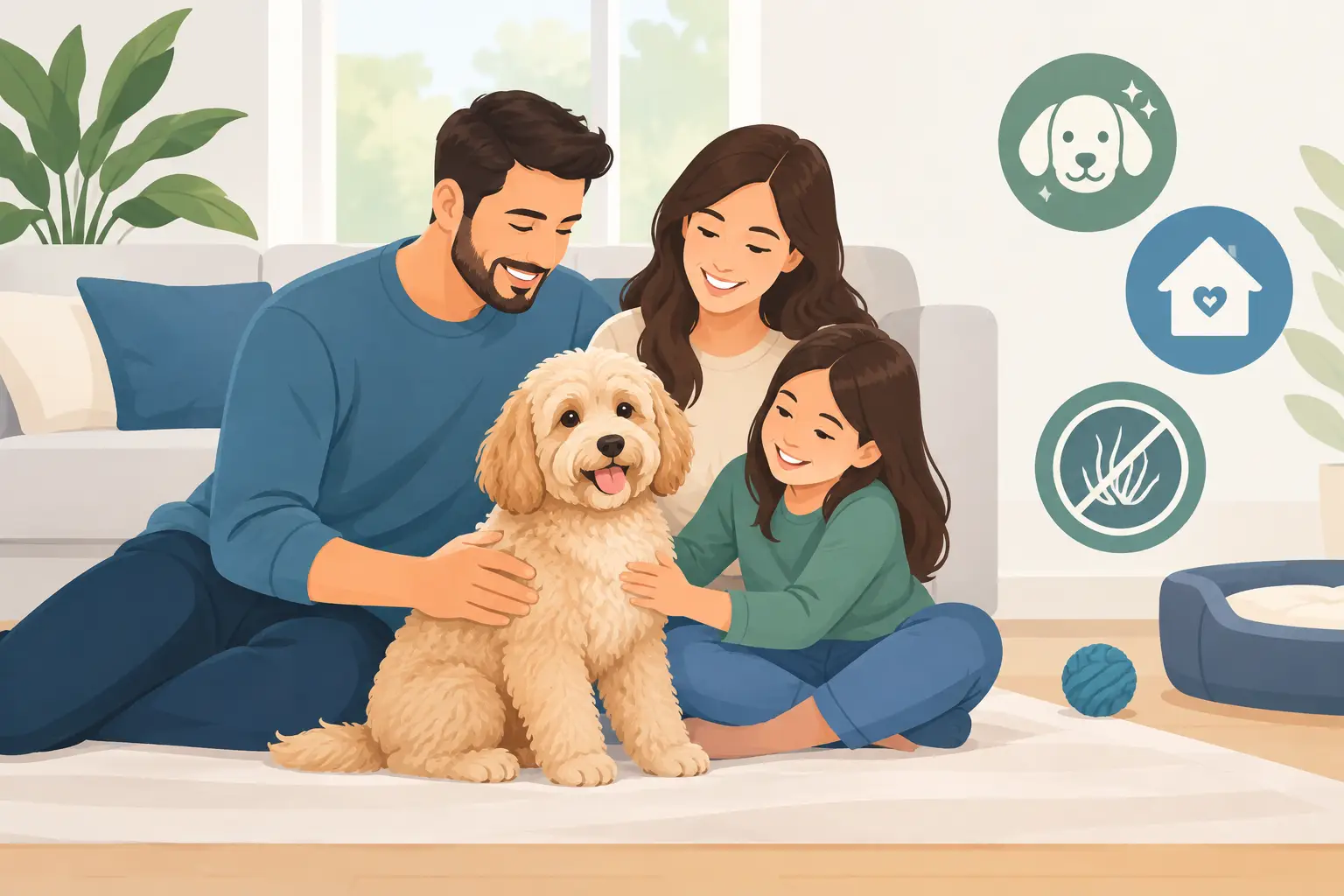
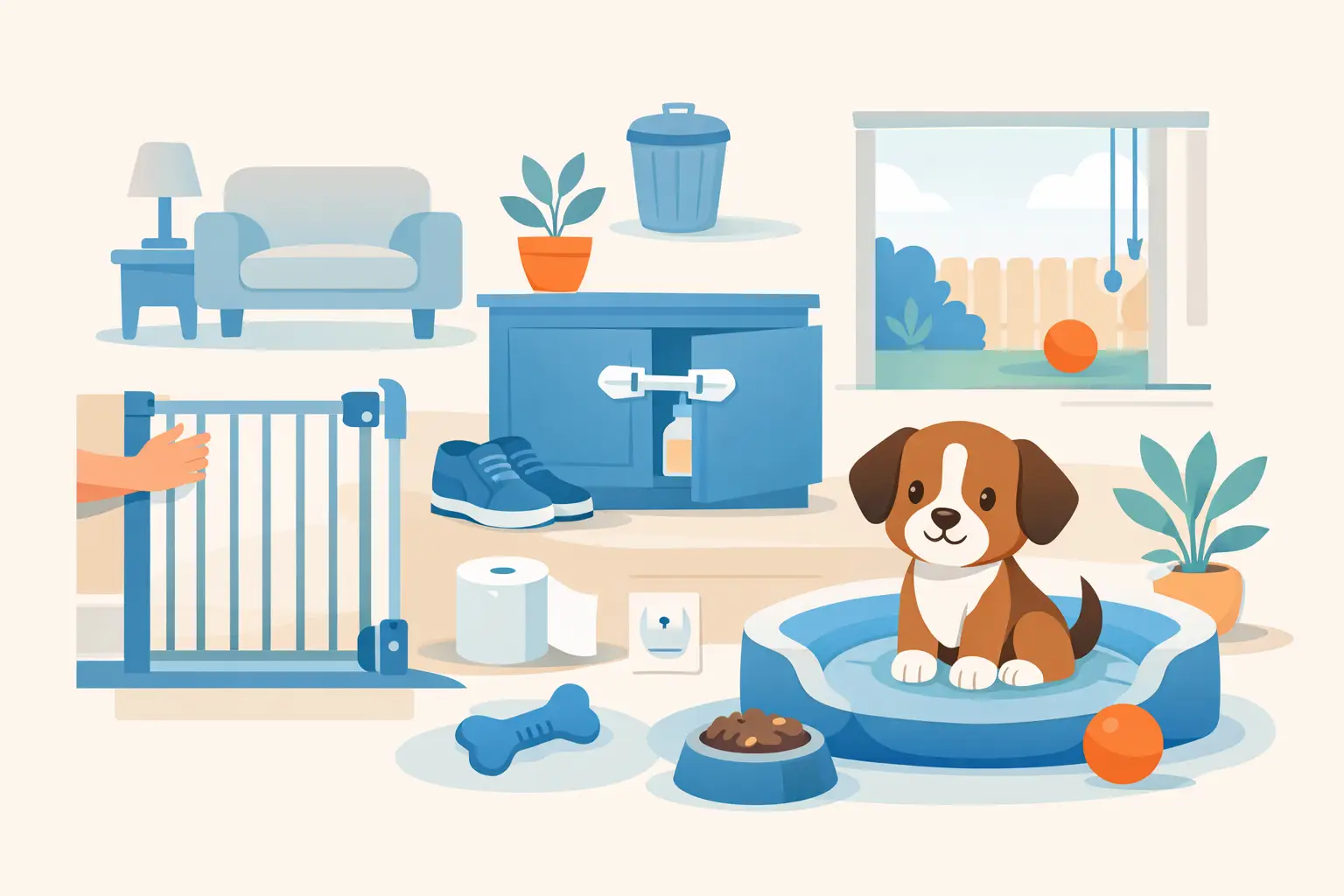
The first surprise for many new puppy owners is how fast a small, sweet puppy can find trouble. One loose cord, one dropped sock, one half-open cabinet, and your home suddenly looks very different through puppy eyes. If you are wondering how to puppy proof home the right way, the goal is not perfection. The goal is to create a safe, calm space where your puppy can learn good habits from the beginning.
For families bringing home an Australian Labradoodle or any companion puppy, this early setup matters more than people expect. Puppies learn by exploring with their mouths, paws, and noses. A well-prepared home protects them physically, but it also helps with potty training, crate training, sleep routines, and overall confidence. When the environment is clear and consistent, your puppy has a better chance of succeeding.
How to Puppy Proof Home Without Overcomplicating It
The easiest mistake is trying to puppy proof every inch of the house at once. Most puppies do better when they start with a smaller, well-managed area and earn more freedom over time. That approach is safer, less stressful, and much easier for the whole family to maintain.
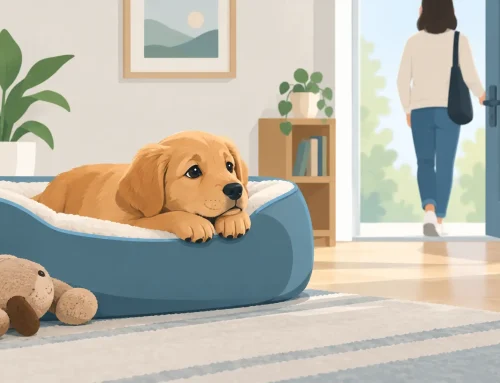
Start by choosing your puppy’s main living zone. For many homes, that means the kitchen, a family room, or another easy-to-clean area where people spend a lot of time. Use a crate, exercise pen, or baby gates to define the space. This gives your puppy a secure place to rest and play while preventing access to rooms that are not ready yet.
Think of puppy proofing as a mix of prevention and training. You do want to remove hazards, but you also want to shape the environment so your puppy learns what is appropriate to chew, where to settle, and how to move through the home. Management now prevents bad habits later.
Start at Puppy Level
A good puppy proofing walk-through looks different from a normal cleaning pass. Kneel down and scan each room from floor level. That is where you notice the phone charger dangling from the sofa, the child’s toy under a chair, the rug corner that begs to be chewed, or the houseplant sitting just low enough to be sampled.
Electrical cords are one of the first things to address. Tuck them behind furniture, lift them off the floor, or use protective cord covers. Shoes, bags, laundry, and children’s toys should also be picked up consistently. This is especially important in the first few months, when puppies are curious and teething at the same time.
Small items deserve extra attention because they are easy to swallow. Hair ties, coins, Lego pieces, socks, pacifiers, batteries, and cat toys can all become emergency problems very quickly. If an item fits easily in your hand, assume it needs to be stored away.
The Rooms That Need the Most Attention
Kitchens are busy spaces and often one of the best places for a puppy’s first setup, but they come with obvious temptations. Trash cans should have secure lids or be kept behind a closed door. Cleaning products, food, plastic wrap, and anything sharp should stay in latched cabinets or on high shelves. If your puppy can reach the dishwasher door or investigate while you are cooking, supervision matters.
Living rooms usually have a different set of risks. Remote controls, charging cables, blankets, decorative baskets, and low coffee table items are common targets. Reclining chairs can also be a hazard if a puppy crawls underneath them. If you have a lot of soft furnishings, remember that some puppies are drawn to tassels, rug edges, and pillows during the teething stage.
Bathrooms are easy to overlook, but they often contain medications, razors, hair products, and toilet water. Keep the lid down and use cabinet locks if needed. Even something as ordinary as a cotton swab or dental floss can cause digestive trouble if swallowed.
Bedrooms depend on your plan. If your puppy will not have access to bedrooms at first, keep doors closed. If they will, remove laundry from the floor and secure cords from lamps and chargers. Puppies are famous for stealing socks and underwear, and this is not just a training issue. It is a safety issue.
Protecting Your Puppy From What Seems Harmless
Some of the biggest risks in a home do not look dangerous at first glance. Houseplants are a good example. Many common plants can upset a puppy’s stomach, and some are more serious than that. If you are unsure whether a plant is safe, move it out of reach until you confirm.
Food is another area where families need clear rules. A puppy does not know the difference between a safe treat and something toxic. Grapes, raisins, chocolate, onions, xylitol, cooked bones, and fatty table scraps should never be left where a puppy can reach them. This includes purses, lunchboxes, and backpacks that may end up on the floor.
Doors, stairs, and balconies also need a plan. Baby gates are helpful for limiting access, especially while your puppy is learning routines. Some confident puppies try stairs too early, while others get frightened by them. Either way, controlled introductions are better than open access on day one.
Set Up for Chewing, Rest, and Routine
Many people focus so much on what to remove that they forget to offer the right alternatives. Puppies need safe chew options, a quiet place to sleep, and enough structure to keep them from becoming overstimulated.
Place a crate or pen in a part of the home where your puppy can feel included without being in the center of constant activity. A puppy who is overtired often gets mouthier and more chaotic, which can make families think the puppy needs more freedom when the opposite is usually true. Rest is part of puppy proofing because a well-rested puppy makes better choices.
Offer a few appropriate chew toys and rotate them. Too many toys can be just as unhelpful as too few because the puppy has no clear focus. Durable puppy-safe chews, soft comfort toys, and a food puzzle or enrichment toy can help redirect chewing and build calm habits. The best setup is simple and intentional.
How to Puppy Proof Home for Children Too
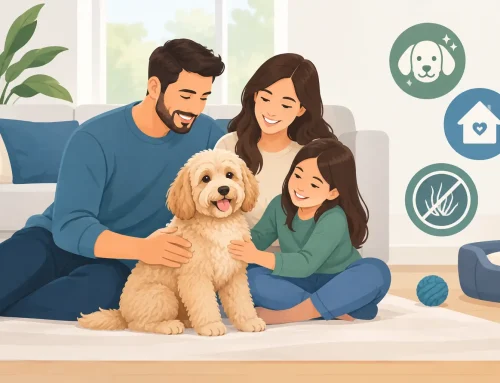
When children are part of the household, puppy proofing should include them in a positive way. Kids do not need a long lecture, but they do need clear, age-appropriate rules. Toys should be put away after play. Food stays at the table. Doors and gates are kept closed. Puppies are not to be picked up, crowded, or disturbed while sleeping.
This is not about making the home feel strict. It is about helping both the puppy and the children succeed together. Puppies thrive on consistency, and children often do well with simple routines they can remember. A calm home helps everyone adjust faster.
For families preparing for an Australian Labradoodle puppy, this is especially useful because these puppies are social and people-focused. They want to be where the family is. That is a wonderful trait, but it also means they benefit from clear boundaries and supervised interaction early on.
Do Not Ignore the Yard and Entryway
If your puppy will spend time in a yard, the outside needs the same careful review as the inside. Check fencing for gaps, loose boards, or spaces near gates. Look for mushrooms, sticks, sharp landscaping edges, lawn chemicals, and standing water. Even a beautiful yard may need adjustments before it is truly puppy-ready.
Your entryway matters too. Puppies are quick, and front doors create escape opportunities during deliveries, school drop-off, and everyday comings and goings. A gate, pen, or habit of clipping on a leash before opening the door can prevent a frightening accident.
Mudrooms and garages deserve special attention because they often hold fertilizers, tools, automotive fluids, and sports gear. These spaces are rarely safe by default. If access cannot be fully supervised, keep them off-limits.
Puppy Proofing Is Not One-and-Done
Your home will keep changing as your puppy grows. What works for an eight-week-old puppy may not work a month later, when that same puppy can reach a tabletop or push past a loosely placed gate. Puppy proofing should be revisited often, especially during teething and growth spurts.
It also depends on your puppy’s temperament. Some puppies are bold and busy. Others are gentler and less likely to test boundaries. Responsible preparation means planning for the puppy you have, not the puppy you hope will ignore temptation.
At Providence Hill Australian Labradoodles, we encourage families to think of preparation as part of the transition, not a separate chore. A safe home gives your puppy the best possible start, and it gives you more peace of mind during those first important weeks.
Before your puppy arrives, aim for simple, steady readiness rather than a perfect house. Clear the floor, secure the hazards, limit the space, and create a calm place for your puppy to rest and learn. That quiet preparation pays off in the moments that matter most, when your new puppy walks through the door and begins to trust your home as their own.