A puppy’s first eight weeks shape far more than the photos families will treasure. Those early days influence confidence, coping skills, health planning, and the foundation for life in a busy home. That is why ethical breeding trends matter to families looking for an Australian Labradoodle: they shift the focus from simply producing puppies to purposefully raising healthy, well-prepared companions.
Families are asking better questions than they did even a few years ago. They want to know how parent dogs are cared for, what health testing has been completed, where puppies spend their earliest weeks, and whether the breeder will still be available after pickup day. These are meaningful changes, especially for first-time dog owners who want a loving, low-shedding companion without the uncertainty that can come with poorly planned breeding.
Ethical Breeding Trends Are Raising the Standard
Responsible breeding has always required commitment, but families now have greater access to information and a clearer understanding of what responsible practices look like. The strongest trend is transparency. Reputable breeders are prepared to explain their program, share relevant health information, discuss their goals for each pairing, and answer questions directly.
This does not mean every litter will be identical or that a breeder can promise a puppy will never face a health concern. Dogs are living beings, and genetics are complex. It does mean the breeder has taken thoughtful steps to reduce preventable risk, select suitable parents, and make decisions with the long-term welfare of both dogs and puppies in mind.
For Australian Labradoodle families, that commitment is especially valuable. The breed is beloved for its affectionate nature, intelligence, trainability, and low-shedding coat potential. Preserving those qualities takes more than pairing two dogs with appealing appearances. It requires careful attention to temperament, structure, coat, health history, and the ability of each dog to thrive as a family companion.
Health testing is becoming an expectation, not an extra
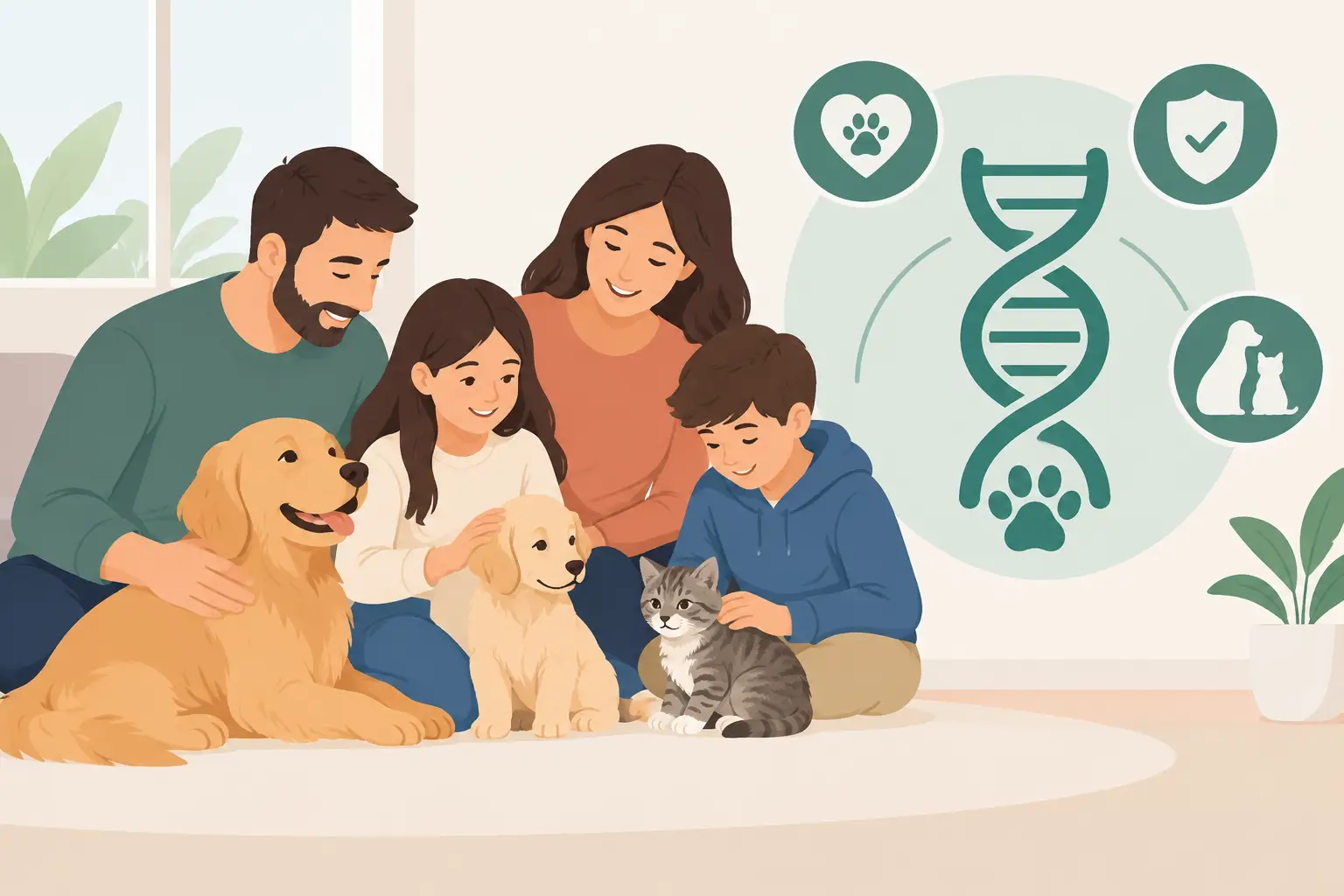
One of the most encouraging changes in ethical breeding is the expectation of health screening before breeding takes place. Depending on the breed and lines involved, responsible programs may evaluate breeding dogs through genetic testing and health assessments related to hips, elbows, eyes, heart health, and other inherited concerns.
A test result is not just a document to check off a list. It helps a breeder make wiser pairing decisions. Genetic screening can identify whether two dogs should not be bred together due to the risk of passing on certain conditions. Physical evaluations provide another part of the picture, helping protect the soundness and comfort of future generations.
Families should feel comfortable asking what testing has been completed and how the breeder uses those results. A caring breeder will welcome the conversation. They should also be honest about the limits of testing. Health testing reduces risk, but it cannot create a guarantee against every future illness or injury.
Temperament is receiving the attention it deserves
A beautiful coat and a sweet puppy face may catch a family’s eye, but temperament is what shapes everyday life. Can the dog settle near children doing homework? Recover calmly from a new sound? Enjoy training and connection? Be comfortable with respectful visitors, grooming, and routine handling?
Ethical breeders increasingly select parent dogs not only for health and appearance, but also for stable, people-oriented temperaments. This is particularly important for dogs intended to live closely with families. Australian Labradoodles are often chosen because they can be affectionate, intuitive, and eager to learn, but each puppy is still an individual.
Thoughtful breeders observe puppies as they grow and learn their developing personalities. That allows them to guide families toward a puppy whose energy level and temperament may fit the household well. A family with young children may have different needs than a retired couple, a remote worker, or an experienced dog owner hoping to pursue therapy work. No breeder can predict every detail of a puppy’s adult personality, but early observation and honest guidance can make a meaningful difference.
The Shift Toward In-Home Puppy Raising
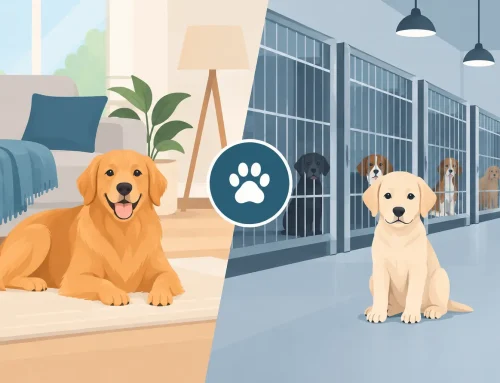
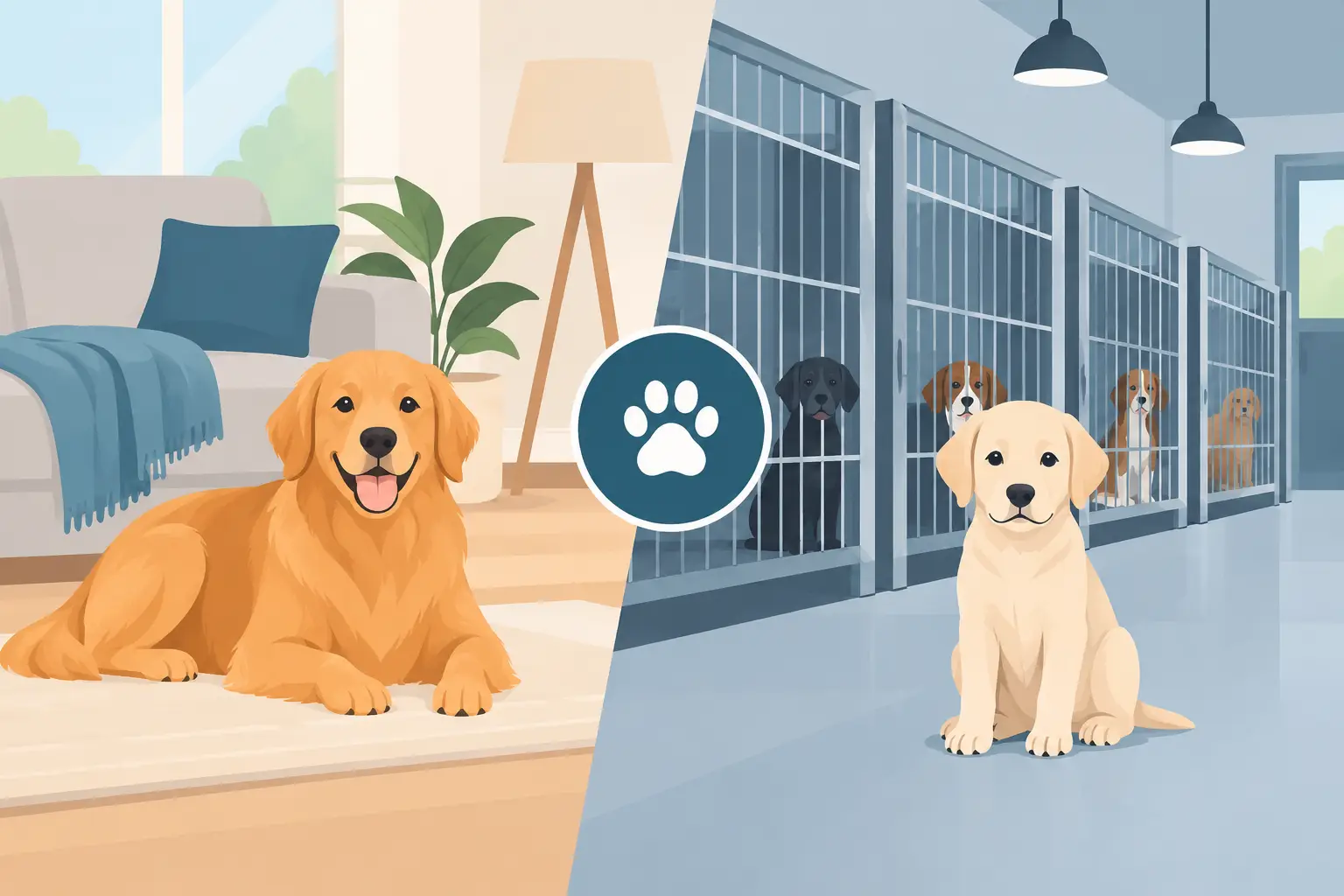
Another important ethical breeding trend is a greater emphasis on the puppy’s daily environment. Puppies raised in a clean, enriching home setting have opportunities to experience ordinary household life in age-appropriate ways. Gentle exposure to voices, surfaces, household sounds, handling, and daily routines can help puppies begin building confidence before they transition to their new families.
Early socialization is not about overwhelming a puppy with constant activity. In fact, too much stimulation can be stressful. It is about providing positive, carefully managed experiences during a sensitive period of development. Puppies need time to rest, play, interact with their littermates, and learn from their mother alongside appropriate human interaction.
In-home raising also gives breeders the chance to observe puppies closely. They can notice changes in appetite, energy, elimination, sleep, and behavior that might be harder to catch in a less personal setting. That hands-on attention supports both physical care and the transition planning families appreciate.
The environment alone does not define ethical breeding. A home setting must still be sanitary, organized, and thoughtfully managed. Likewise, a larger program can be responsible when it provides excellent care, appropriate space, and individual attention. What matters most is whether the dogs and puppies are truly receiving the attention their health and development require.
Breeding dogs deserve a full life, too
Ethical breeding includes the well-being of adult dogs, not only the puppies they produce. Parent dogs should be valued as beloved companions with proper veterinary care, exercise, social connection, rest, and time away from raising litters. A responsible program considers the mother’s recovery and does not treat her as a production schedule.
Guardian home programs can be part of this approach when they are managed carefully. In these arrangements, a breeding dog lives as a cherished family pet while remaining part of a breeder’s program for a limited period. The arrangement should be clearly explained, respectful of the guardian family, and centered on the dog’s well-being.
Families considering a breeder can ask how often dogs are bred, where they live, and what retirement looks like for them. Direct, thoughtful answers are a sign that the breeder sees every dog as an individual, not an inventory number.
What Ethical Breeding Trends Mean for Puppy Buyers
More responsible practices may mean a longer wait for the right puppy. They can also mean a higher initial investment than purchasing from a seller who offers immediate availability with little information. Those trade-offs are worth understanding clearly.
A carefully planned litter requires health testing, veterinary care, quality nutrition, safe housing, early enrichment, time, and experienced oversight. Families are not simply paying for a puppy. They are choosing the care and intention behind that puppy’s earliest chapter.
Still, price alone is never proof of quality. A premium price should be supported by transparency, documented care, sound breeding practices, and real guidance. Be cautious of sellers who use appealing words such as family-raised or hypoallergenic without being able to explain their health protocols, socialization practices, or commitment after placement.
Before placing a deposit, take time to ask practical questions. Learn how the breeder chooses parent dogs, what health screenings are relevant to their program, how puppies are socialized, and what support is available once your puppy comes home. Ask about feeding, crate training, potty routines, grooming, vaccinations, and the transition from litter life to family life.
Pay attention to how the conversation feels. A trustworthy breeder will want to learn about your household, schedule, children, prior dog experience, and hopes for your future companion. That care is not a barrier to purchasing a puppy. It is part of making a responsible match.
A Better Start Requires Family Follow-Through
Even the most thoughtfully raised puppy still needs patient guidance after going home. Ethical breeding gives families a strong beginning, but it does not replace training, veterinary care, grooming, socialization, and daily connection. The first months at home are where that early foundation becomes a lifelong relationship.
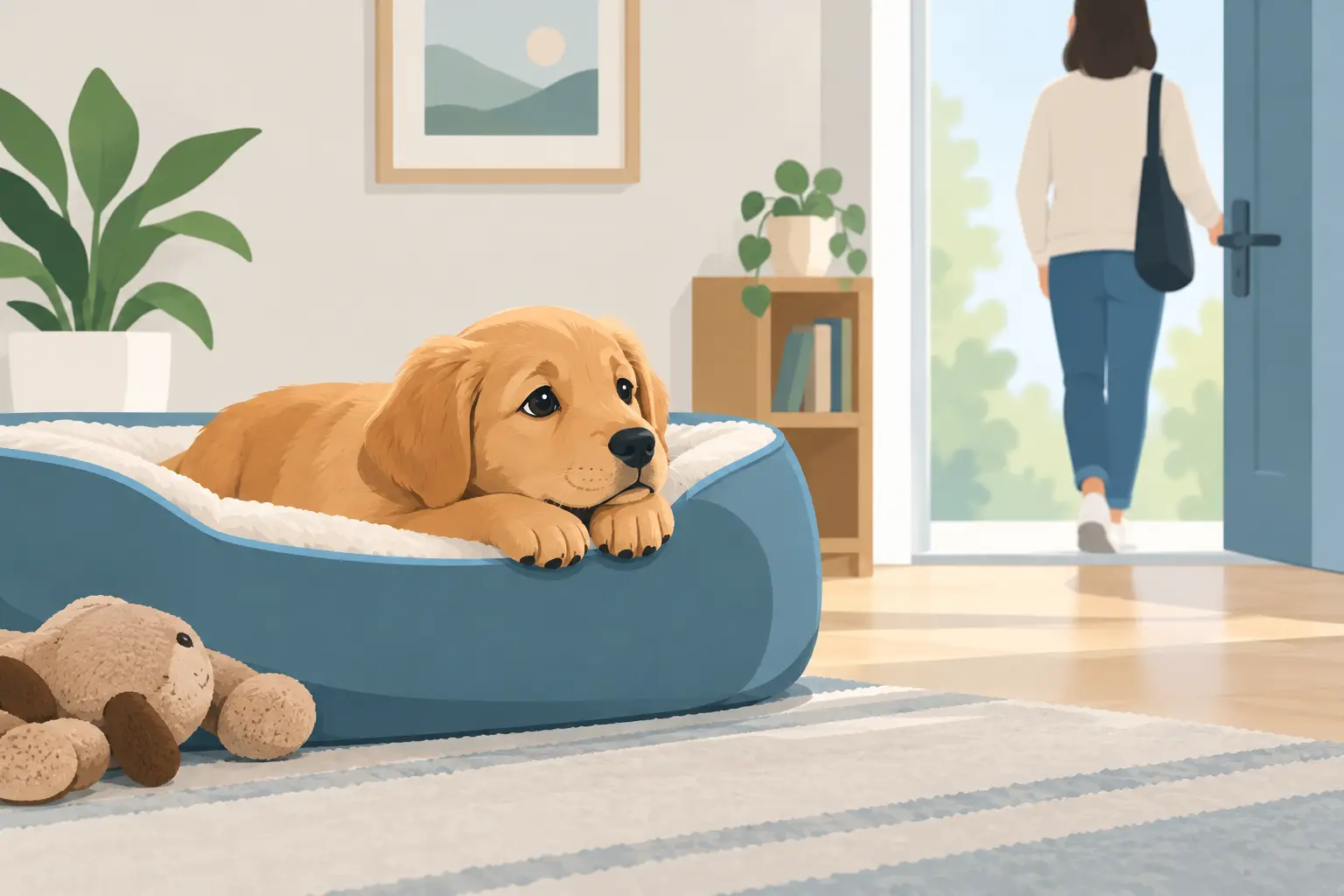
Prepare before pickup day by creating a consistent routine, selecting a veterinarian, planning supervised introductions to children and resident pets, and learning how to reward the behaviors you want to see. Keep early outings positive and manageable. A confident puppy does not need to meet every person and dog immediately. They need repeated experiences that teach them the world is safe, predictable, and worth exploring.
At Providence Hill Australian Labradoodles, we believe a well-bred puppy should arrive with more than a sweet disposition. Families deserve education, honest communication, and a caring partner who remains invested in their puppy’s success.
The best question is not simply, What kind of puppy do I want? It is, What kind of beginning do I want to give my future dog? When families choose a breeder who puts health, temperament, and lifelong care first, they make room for the steady, joyful companionship they hoped for from the start.