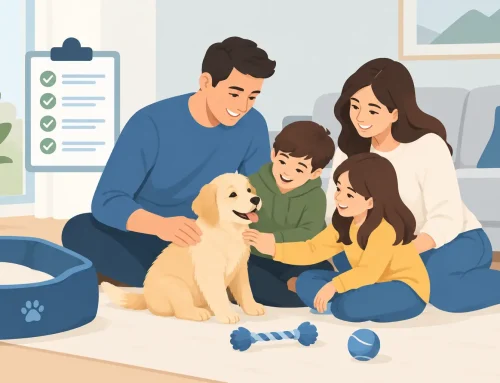
The first evening with a new puppy is equal parts joyful and busy. There are new sounds, new smells, a new sleeping space, and a little puppy learning that their family is now home. The best puppy starter kit items are not about filling a cart with every cute accessory. They are the practical essentials that help your puppy feel secure while making feeding, sleep, potty training, and early routines easier for your family.
For an Australian Labradoodle puppy, thoughtful preparation matters. These bright, people-focused puppies thrive when their days are predictable, their needs are met calmly, and their new home offers safe places to rest, play, and learn.
Best Puppy Starter Kit Items for a Confident Start
1. A properly sized crate
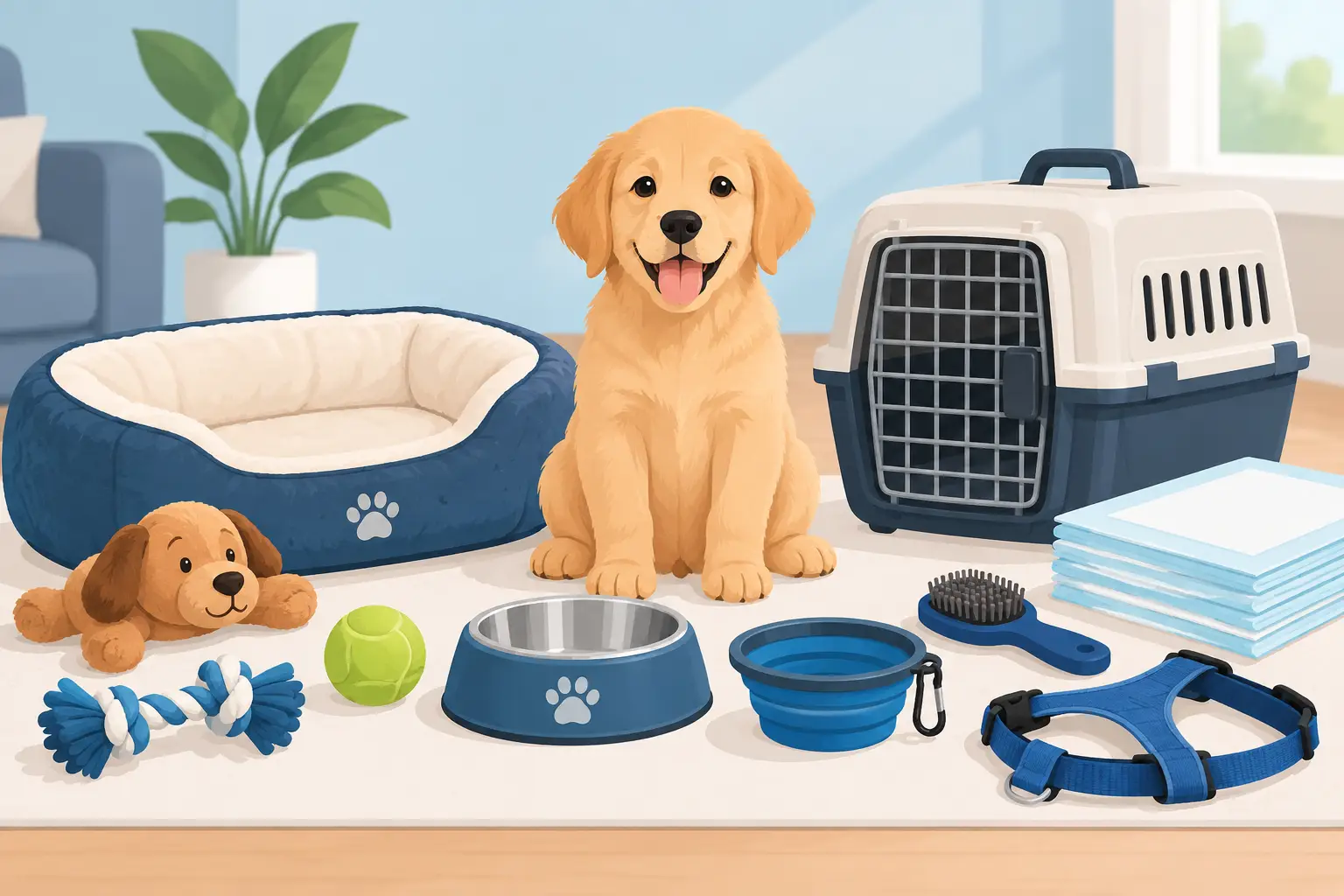
A crate gives your puppy a quiet, protected place to sleep and relax. It also supports one of the most useful early training habits: teaching your puppy to settle independently. Choose a crate large enough for your adult dog to stand up, turn around, and lie down comfortably, but use a divider while your puppy is small. Too much open space can make it tempting for a puppy to potty in one corner and sleep in another.
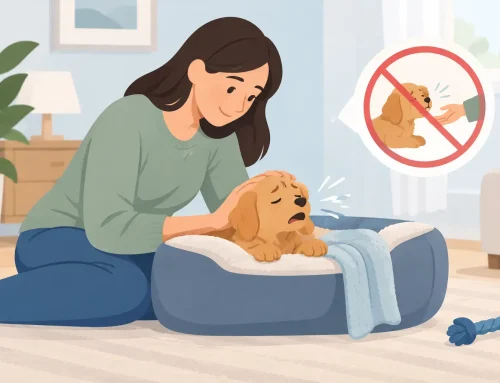
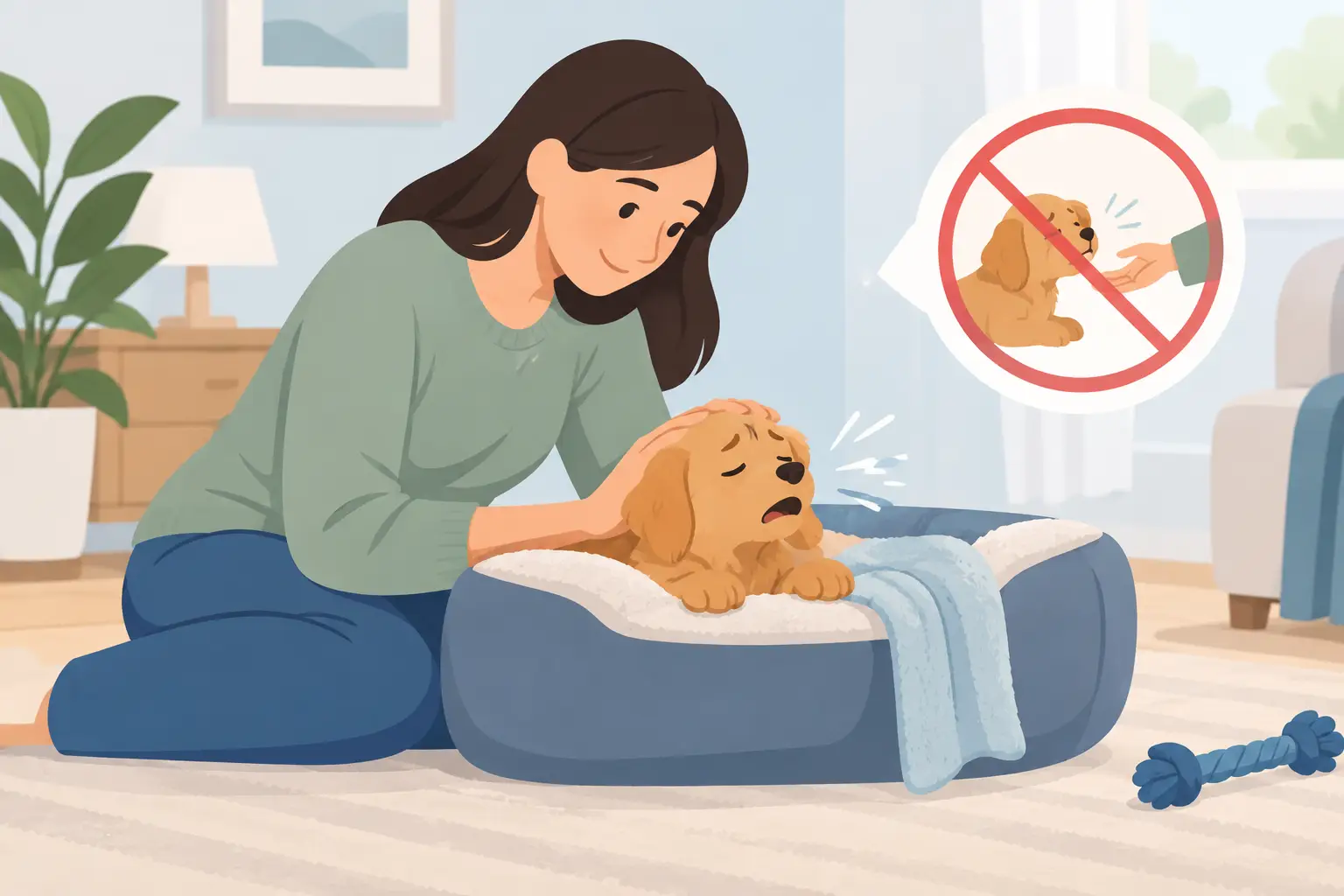
Set the crate up in a part of the home where your family spends time. Your puppy should feel included, not isolated. A washable crate pad or simple blanket can make it comfortable, but avoid thick bedding at first if your puppy is inclined to chew or has not yet learned to stay clean through the night.
2. An exercise pen or safe puppy area
A crate is for rest, not all-day confinement. An exercise pen, baby gate, or carefully puppy-proofed room gives your puppy space to play safely when you cannot provide full supervision. This is especially helpful during meal preparation, school pickup, or work calls.
Keep the area simple: a comfortable surface, a few safe toys, water, and room to move. Early freedom should be earned gradually. Preventing your puppy from practicing chewing furniture, having accidents, or getting into unsafe items is far easier than correcting those habits later.
3. The food your puppy already knows
A sudden food change can cause unnecessary stomach upset during an already big transition. Start with the food your puppy has been eating, following the feeding guidance provided by your breeder and your veterinarian. If you decide to change foods, do so gradually over several days by slowly mixing in the new food.
You will also want a measuring cup and a container with a secure lid. Measured meals make it easier to monitor your puppy’s appetite and avoid accidental overfeeding. Consistent meal times also help create a predictable potty schedule.
4. Stainless steel food and water bowls
Stainless steel bowls are durable, easy to clean, and less likely to hold onto odors than plastic. Choose bowls that are stable enough not to slide across the floor each time an enthusiastic puppy eats dinner.
Fresh water should always be available during the day. At night, your own potty-training plan and your puppy’s age will guide how you manage water before bedtime. There is no need to restrict water excessively, but an evening routine can help you anticipate nighttime potty trips.
5. A flat collar, identification tag, and lightweight leash
Even puppies who spend most of their early days at home should wear identification. Select a soft, adjustable flat collar that fits snugly enough that it cannot slip over your puppy’s head, while still allowing you to slide two fingers beneath it. Check the fit often because puppies grow quickly.
A lightweight four- or six-foot leash is ideal for early walks and backyard training. Retractable leashes are usually not the best choice for a young puppy. They can make it harder to teach loose-leash skills, maintain control near distractions, and prevent a puppy from reaching something unsafe.
6. A comfortable harness for outings
A well-fitted harness is useful for supervised walks, car transfers, and visits to new places. It should not rub behind the front legs or restrict natural shoulder movement. Because Australian Labradoodles tend to be social and eager to greet people, beginning gentle leash and harness practice early can make outings more enjoyable for everyone.
Keep those first walks short and positive. Your puppy does not need miles of exercise. They need safe exposure to the world, plenty of sniffing, and encouragement for checking in with you.
7. Safe chew toys and enrichment toys
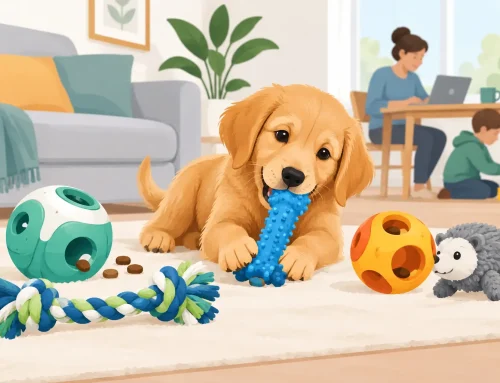
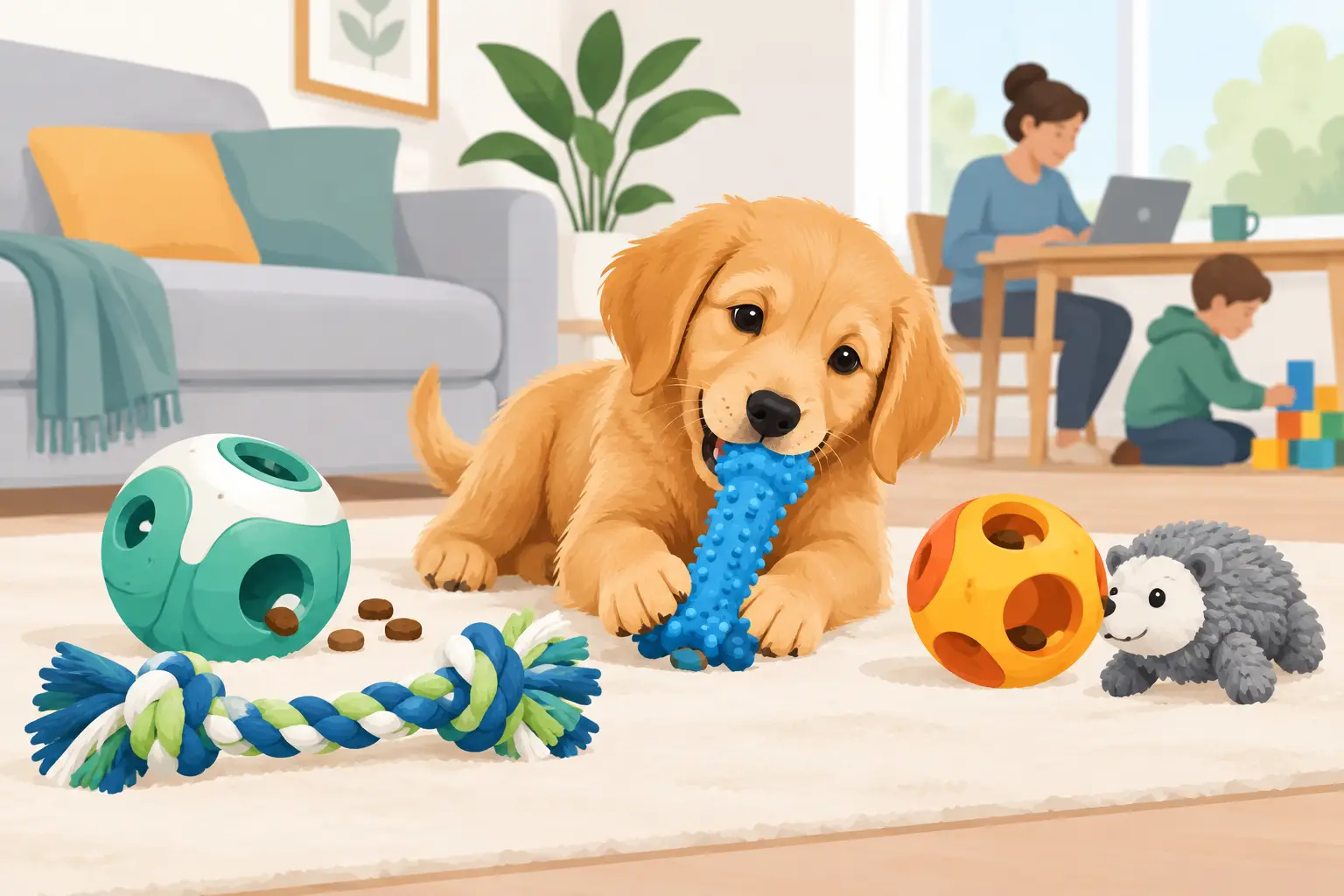
Puppies explore with their mouths, especially while teething. A small collection of durable, puppy-appropriate chew toys gives them an acceptable outlet and helps protect hands, shoes, and table legs. Look for toys sized appropriately for your puppy and inspect them regularly for loose pieces or damage.
Include a food-stuffable toy or simple puzzle toy as well. These can provide quiet mental activity during crate time or while the family is busy. Rotate toys rather than putting everything out at once. A few familiar choices often hold a puppy’s attention better than a crowded toy bin.
8. Training treats and a treat pouch
Tiny, soft treats are a practical tool for building the behaviors you want to see more often: coming when called, sitting politely, going into the crate, and choosing a toy instead of your child’s sneaker. A treat pouch keeps rewards close at hand, which matters when you need to reinforce a good choice the moment it happens.
Use treats thoughtfully. They should be small enough that your puppy can eat several during a brief training session without replacing a meaningful portion of daily nutrition. Warm praise, play, and access to something your puppy enjoys are valuable rewards, too.
9. Enzymatic cleaner and potty-training supplies
Accidents are part of puppyhood, even with a consistent schedule. An enzymatic cleaner is one of the most overlooked puppy starter kit items because it does more than cover an odor. It helps break down the scent that may draw a puppy back to the same spot.
Keep cleaner, paper towels, and a small supply of washable cloths in an easy-to-reach place. Puppy pads may be helpful for some homes, particularly high-rise living or emergencies, but they can blur the message if your goal is to teach outdoor potty habits right away. For many families, frequent trips outside and close supervision are the clearer path.
10. Grooming tools for a healthy coat
Australian Labradoodles are known for their low-shedding coats, but low shedding does not mean no grooming. Regular brushing helps prevent tangles and teaches your puppy that handling is calm and normal. Begin with a gentle slicker brush, a metal comb for checking common tangle areas, and a soft grooming routine that lasts only a few minutes at first.
You may also want puppy-safe shampoo, nail clippers or a nail grinder, and pet wipes for muddy paws. Do not wait until your puppy needs a full groom to introduce these tools. Pair brief handling with treats so grooming becomes a familiar part of family life rather than a stressful event.
11. A secure car restraint
Your puppy will travel to veterinary appointments, grooming visits, and family adventures. A secured crate or crash-tested car harness helps protect them during the ride. Holding a puppy in someone’s lap may feel comforting, but it is not a safe travel plan.
Practice short car rides before a longer trip. Bring a towel, cleanup supplies, and a safe chew for the journey. Some puppies settle quickly, while others need several calm, positive rides to feel comfortable.
12. A simple health and routine folder
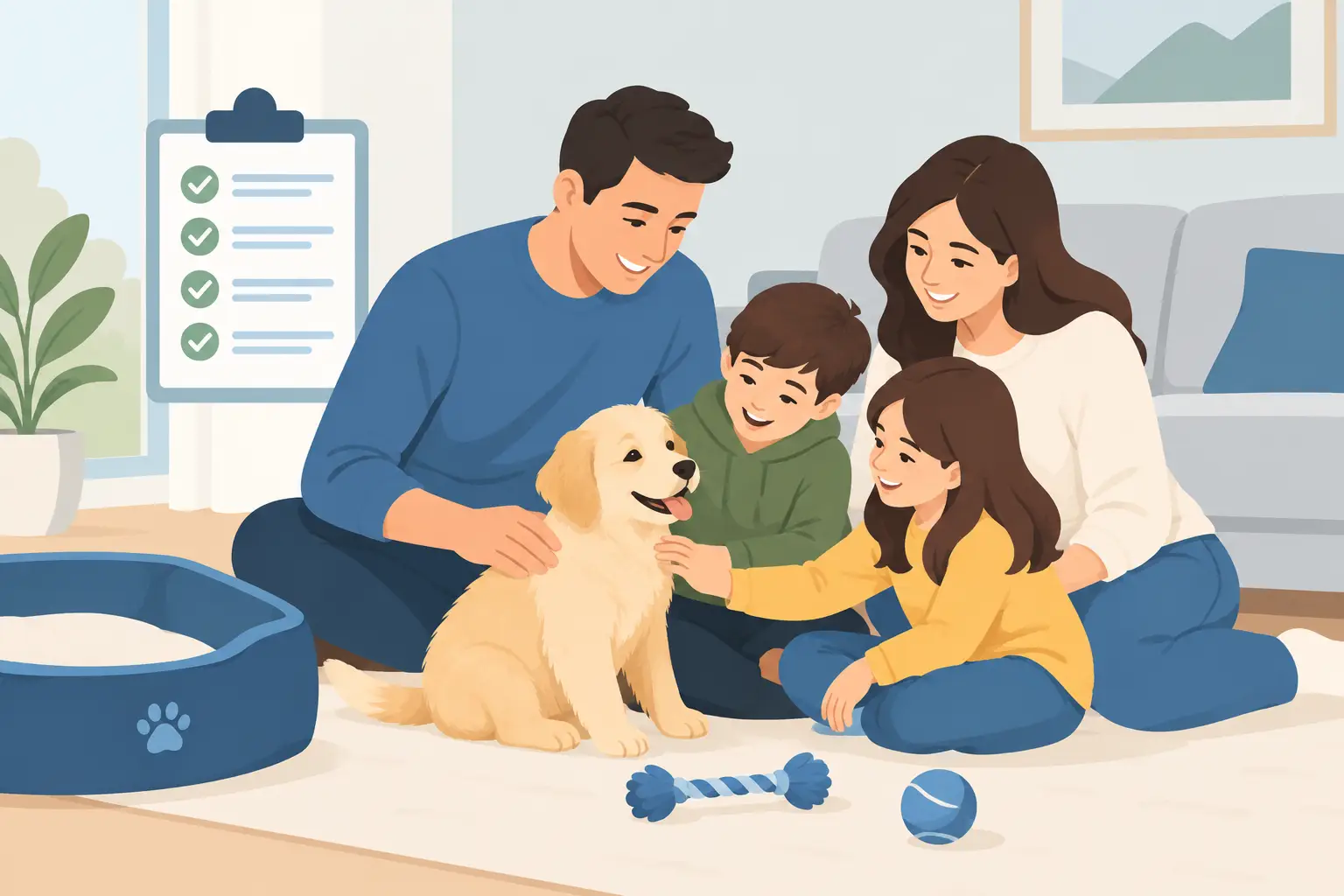
Keep vaccination records, feeding notes, training questions, veterinary information, and grooming appointments in one place. The first few months move quickly, and it is helpful to have your puppy’s information ready when you need it.
A routine chart can be just as valuable. Note meals, potty breaks, naps, and nighttime wakeups for the first week or two. Patterns become clear quickly, helping you adjust your schedule and recognize when something is out of the ordinary.
What You Can Wait to Buy
New puppy families are often surprised by how little they need on day one beyond the basics. You can usually wait on elaborate outfits, large collections of toys, expensive beds, and specialty gadgets. Your puppy’s size, coat, chewing habits, and preferences will become clearer once they settle in.
The same is true for beds. Some puppies love a plush bed immediately; others view it as a tempting item to shred. Start safely and add comforts as your puppy proves ready. The goal is not a picture-perfect setup. It is a safe, calm environment where good habits can take root.
At Providence Hill Australian Labradoodles, we believe preparation gives families confidence, but connection matters most. Have the essentials ready, keep the first days quiet, and let your puppy learn that they are safe, loved, and never alone in figuring out this new home.