Puppy pickup day is the moment all the planning becomes real: there is a small, bright-eyed puppy in your arms, a car ride ahead, and a family eager to get home. Knowing what to bring for puppy pickup helps that first transition feel calm rather than rushed. You do not need to pack the whole pet store. You do need a few thoughtful essentials that keep your puppy secure, comfortable, and ready for a positive first ride.
Your breeder will guide you on the specific items and paperwork included with your puppy. This checklist focuses on what families should have with them when they arrive, especially for an Australian Labradoodle puppy beginning the journey to a new home.
What to Bring for Puppy Pickup Day
Start with a safe travel plan. A puppy should not ride loose in the car, even for a short drive. The sights, sounds, and motion of travel can be new and overwhelming, and an unsecured puppy can become frightened or injured if you need to stop suddenly.
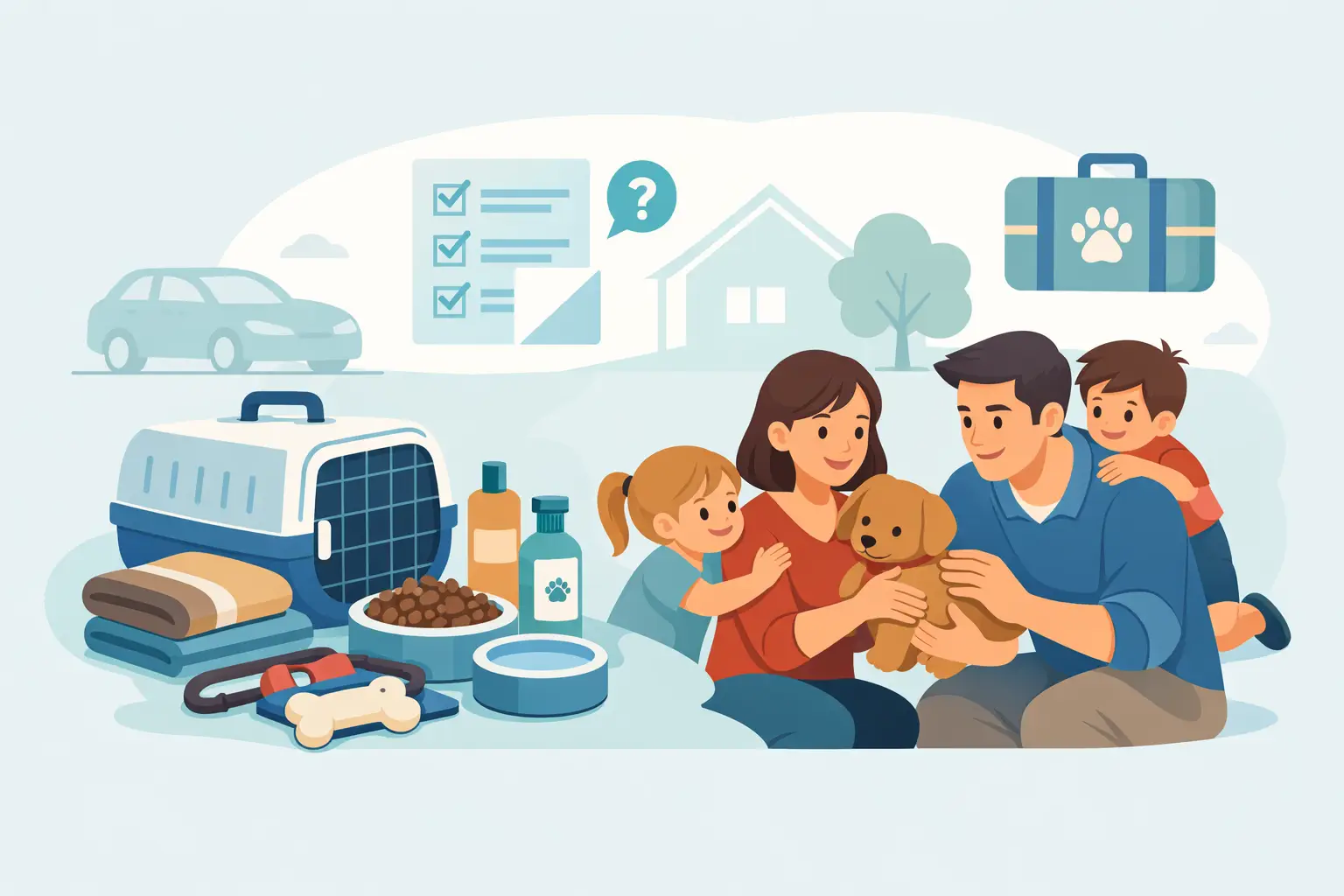
Bring a properly sized crate or a secure puppy carrier. For a young Australian Labradoodle, the crate should allow enough room to sit, turn around, and lie down comfortably, without being so large that the puppy slides around during the ride. Line it with a clean towel or washable blanket. Avoid adding anything fluffy, fragile, or easy to chew during the first trip.
If your family prefers to have someone hold the puppy, plan for one adult passenger to sit in the back seat and use a secure travel carrier or canine car restraint. Holding a puppy in someone’s lap may feel comforting, but it is not the safest option if the car brakes suddenly. A crate is usually the simplest and most secure choice.
A few basic items will cover most pickup-day needs:
- A secure crate or puppy carrier with a towel or light blanket
- Paper towels, pet-safe cleaning wipes, and a small trash bag for unexpected messes
- A spare towel or blanket in case the first one gets wet or soiled
- A small bowl and fresh water for longer drives or warm weather
- Your phone, charger, breeder paperwork, and payment confirmation if needed
For a longer trip, keep these items within reach rather than buried in the trunk. The goal is not to entertain your puppy for every minute of the ride. The goal is to make it easy to respond calmly if they need a brief stop, have an accident, or simply need reassurance.
Bring a Familiar Scent Home
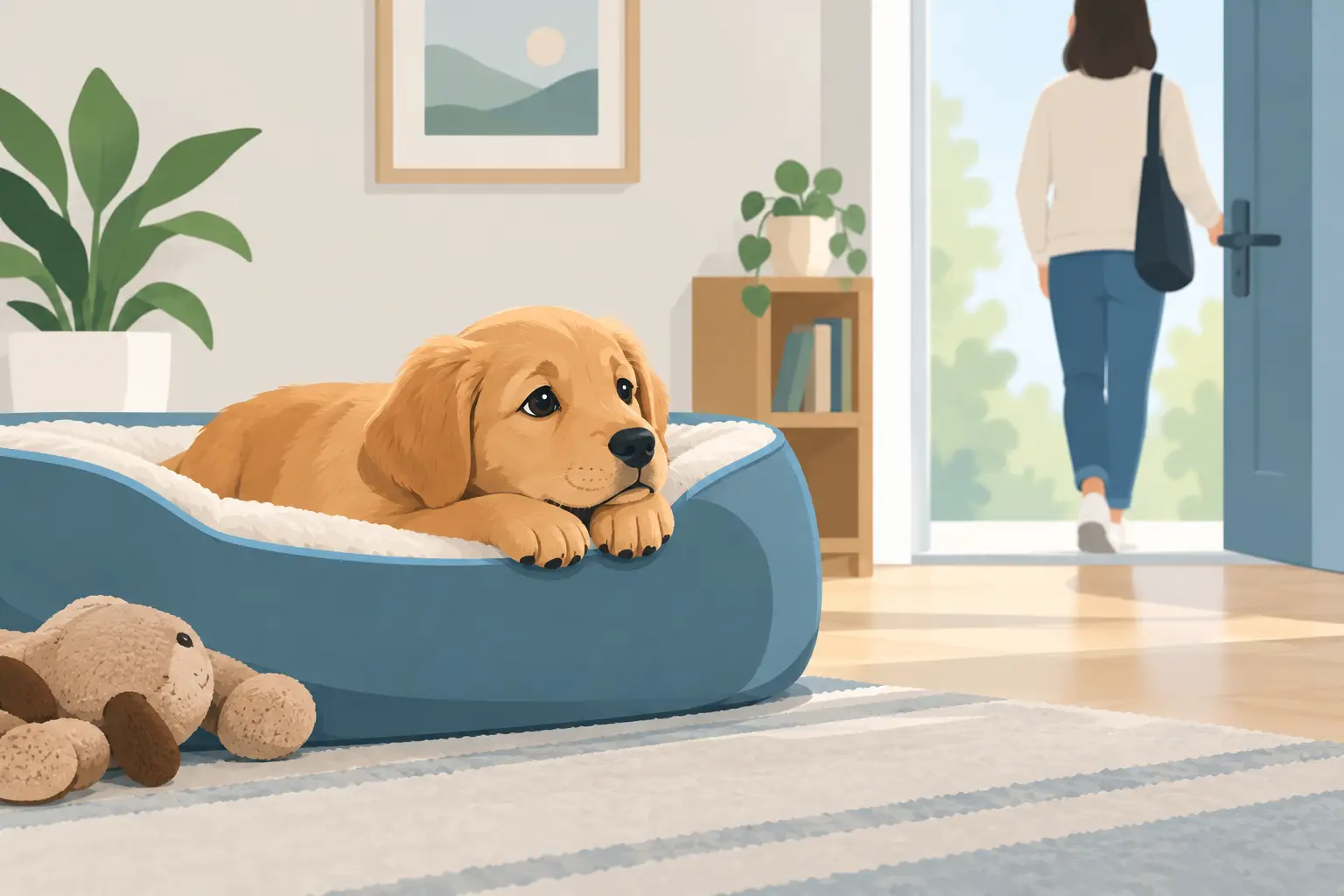
Ask your breeder whether you can bring home a small blanket or soft item that carries the scent of the litter and mother. That familiar scent can be very reassuring during the first few nights, when your puppy is learning that your home is safe.
If your breeder provides one, place it in the crate or sleeping area as directed. Do not wash it right away. While it may not match your living room, it gives your puppy a comforting connection to the environment they have always known.
What Not to Pack for the Car Ride
New puppy families often want to bring treats, toys, chews, and a full meal for the ride. It comes from a good place, but simpler is usually better on pickup day. A puppy may be excited, tired, or mildly carsick after leaving their littermates. Introducing unfamiliar food or a new chew in the car can create an upset stomach or a choking risk.
Unless your breeder recommends otherwise, wait until you are home and settled before offering food. For a long drive, fresh water and a calm potty break are more useful than snacks. If your puppy does not drink much on the ride, that is often okay. Offer water again when you arrive home, without pressure.
It is also wise to leave squeaky toys and exciting games for later. Your puppy has had a major day already. A quiet ride, gentle voices, and a chance to rest are far more valuable than constant stimulation.
Plan the Pickup Ride Around Your Puppy
If possible, have two adults make the trip. One person can drive while the other keeps an eye on the puppy, handles a potty break if needed, and listens carefully to the breeder’s final instructions. A child can certainly be part of this joyful day, but an adult should always be responsible for safe travel and the puppy’s immediate needs.
Before leaving, ask your breeder when your puppy last ate and had a potty break. This information helps you decide when to stop. For many families, a brief potty opportunity shortly before getting in the car and again upon arriving home is enough. On a longer trip, plan quiet stops every couple of hours, but be thoughtful about where you stop.
Young puppies have not completed their full vaccination series. Avoid busy dog parks, pet store floors, heavily used rest areas, and areas where many unfamiliar dogs relieve themselves. Carry your puppy to a cleaner, lower-traffic spot if possible, or use a travel potty setup in your vehicle. Your breeder can offer guidance based on your puppy’s age and vaccination schedule.
Keep the car temperature comfortable and avoid loud music. A calm atmosphere tells your puppy that this new experience is safe. Some puppies sleep most of the way home. Others may whine, shift around, or have an accident. None of these responses mean you are doing anything wrong. They are simply adjusting.
Pick Up Your Puppy’s Records and Instructions
The most valuable things you bring home may not fit in the crate. Before you leave, make sure you receive and understand your puppy’s health and care information. Responsible breeders provide clear records so families can continue their puppy’s care with confidence.
Your packet may include vaccination and deworming records, feeding instructions, microchip information, registration details, a health guarantee or contract, and recommendations for scheduling your first veterinary visit. Take a few minutes to review these documents before you drive away. It is much easier to ask a question while you are together than to try to remember it later.
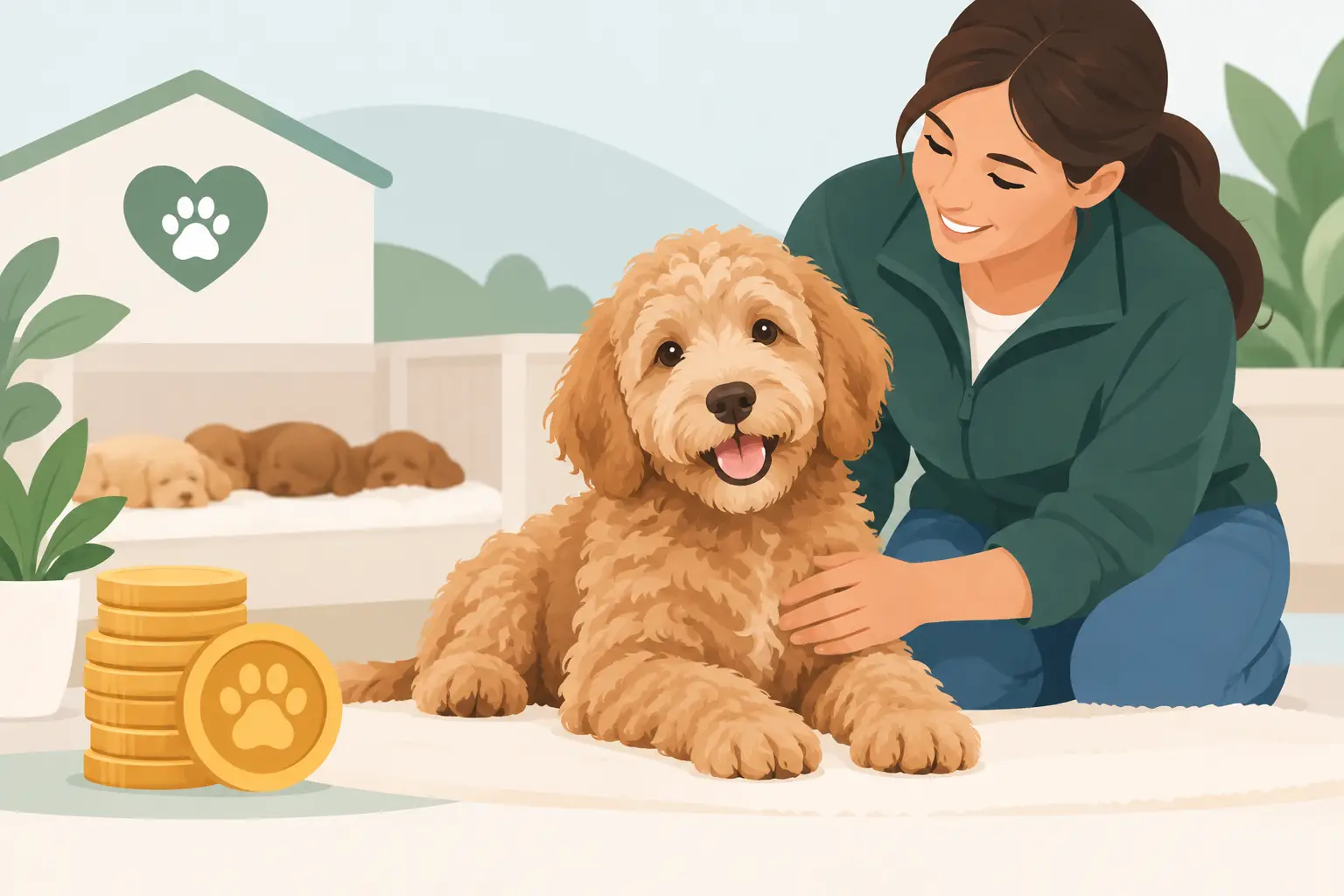
At Providence Hill Australian Labradoodles, families are encouraged to view pickup as the beginning of a relationship, not the end of a transaction. A well-prepared breeder wants you to feel informed about your puppy’s routine, diet, development, and next steps.
Bring a folder or envelope to protect paperwork from spills or getting lost among blankets and bags. Once home, store these records in one consistent place. You will need them for veterinary appointments, grooming questions, training classes, and future care decisions.
Have the First Hour at Home Ready
The best thing to bring to puppy pickup is not an item at all. It is a plan. Before you leave for pickup, set up one quiet area at home with a crate, water, and an easy-to-clean space for supervised rest and play. Decide who will take the puppy out first, where the designated potty area is, and how you will keep the first few hours low-key.
When you arrive, carry your puppy directly to the potty area before introducing the house. Give calm praise if they go, then bring them inside for a gentle look around one room at a time. Resist the urge to invite neighbors, extended family, and every excited friend over that first day. Your puppy does not need a party. They need sleep, predictability, and time to learn the sounds and scents of their new family.
If you have children, talk through the pickup-day plan before you leave. Teach them to sit on the floor, let the puppy approach at their own pace, and use quiet hands. This sets a respectful tone that helps children and puppies build trust from the start.
A Final Check Before You Leave
Just before pickup, look over your car and home setup once more. Is the crate secure? Are paper towels handy? Is the potty area accessible when you get home? Have you saved your breeder’s contact information and your veterinarian’s number? Small preparations like these make a real difference when you are tired, emotional, and focused on your new puppy.
Puppy pickup does not have to be perfect to be meaningful. Your puppy may cry in the car, fall asleep before you reach the driveway, or need an immediate cleanup when you get home. Meet each moment with patience. The most reassuring thing you can bring is a calm family ready to show a little puppy that they belong.