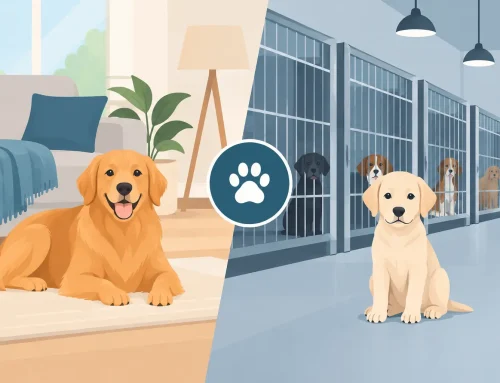
A beautiful Australian Labradoodle can become part of your family in more than one way. When families compare guardian home vs ownership, the biggest question is usually simple: Do we want the full responsibility of a companion dog from day one, or are we comfortable partnering with a breeder as part of a carefully planned breeding program?
Both paths can lead to the same wonderful daily experience – a loving, intelligent dog sleeping by your feet, greeting your children after school, and joining your family routines. The difference lies in who holds breeding rights, how costs are shared, and what commitments are expected over time.
What Does Traditional Dog Ownership Mean?
Traditional ownership is what most families picture when they begin searching for a puppy. You select your puppy, bring them home, and assume responsibility for their lifelong care. Your dog is yours, and decisions about daily life, training, veterinary care, grooming, travel, and eventually spaying or neutering are yours to make within the terms of your purchase agreement.
For many families, this is the clearest and most comfortable option. You can focus fully on building your relationship with your dog without coordinating breeding-related appointments, health clearances, or breeding schedules. Your financial planning is also more straightforward: you should expect the initial puppy investment along with routine veterinary care, quality food, grooming, training, supplies, and pet insurance if you choose it.
A well-bred Australian Labradoodle can be an especially rewarding companion for households seeking an affectionate, trainable, low-shedding dog. Still, ownership is a long-term commitment. Puppies need structure, patience, early socialization, and consistent training. Adult dogs need continued exercise, grooming, preventive care, and the reassurance of being included in family life.
What Is a Guardian Home?
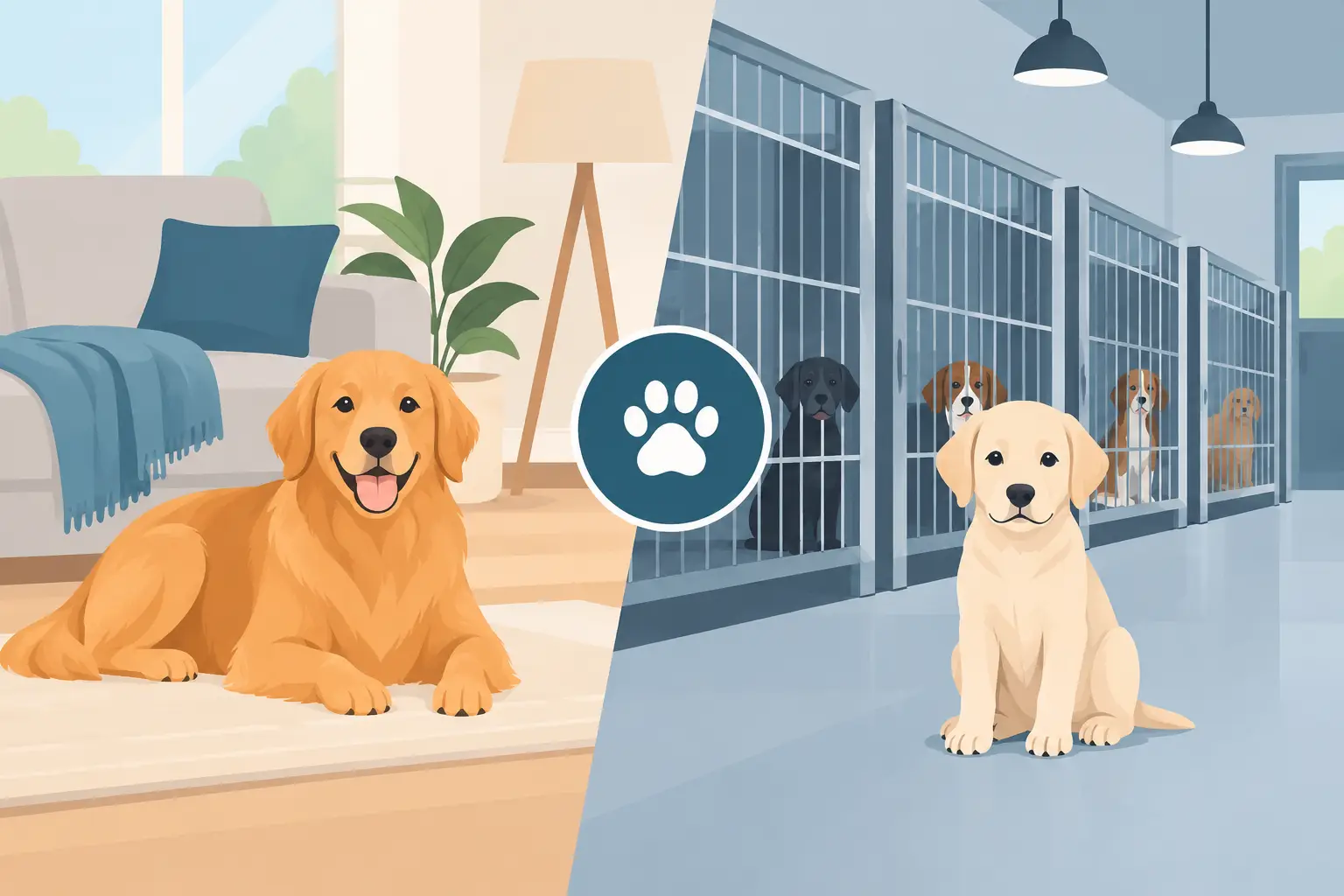
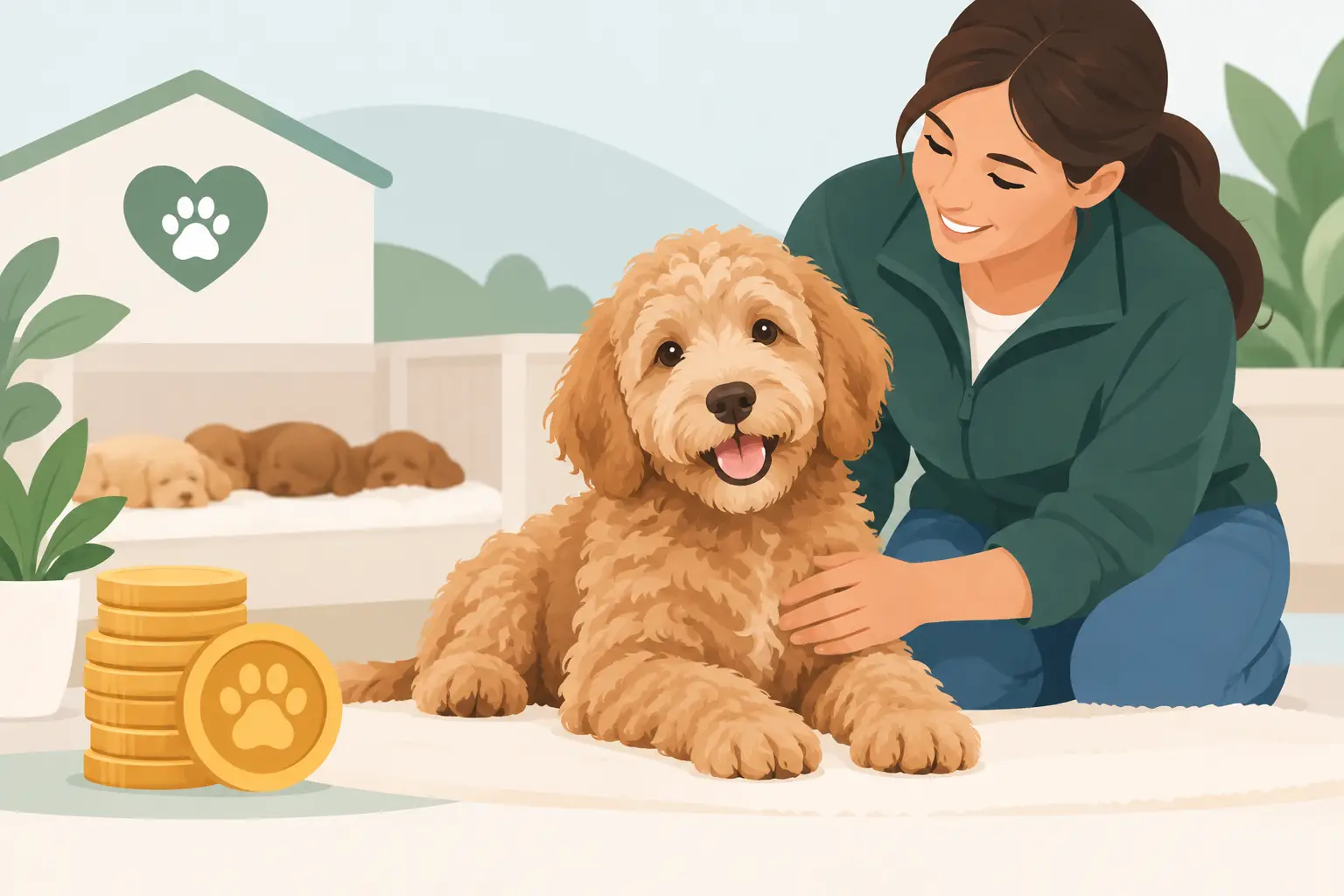
A guardian home is a partnership between a breeder and a carefully selected family. The dog lives in the guardian family’s home as a loved companion, while the breeder retains specific breeding rights for an agreed period. The dog is not raised in a kennel environment or kept apart from family life. Instead, the guardian provides the stable, attentive home every dog deserves while helping preserve an exceptional breeding line.
Guardian homes allow responsible breeders to maintain a smaller, more personal breeding program. Rather than housing every breeding dog themselves, the breeder can place selected dogs with committed families who give them individual attention, daily companionship, and a normal home routine.
The arrangement is not the same as fostering. A guardian dog is your family dog. You provide the love, training, exercise, and home life that shape who they become. However, the breeder may need the dog to complete health testing, attend breeding-related appointments, or return for a planned breeding period. Once the dog has completed the agreed breeding commitment, ownership is commonly transferred fully to the guardian family, often after spaying or neutering. Exact terms vary, so the written agreement matters.
Why Breeders Use Guardian Home Programs
Responsible breeding begins long before puppies are born. A breeder must evaluate health, temperament, pedigree, coat, structure, and the qualities that make Australian Labradoodles such cherished family companions. Genetic screening and appropriate health testing help breeders make thoughtful decisions intended to support future generations.
A guardian program makes it possible to keep more breeding dogs in family settings without compromising their quality of life. It also gives a breeder a clearer picture of how a potential breeding dog matures in a real household. Is the dog social, adaptable, responsive, and comfortable around children? Does the dog have the gentle, people-focused temperament families expect? Those qualities matter as much as appearance.
For families who care deeply about ethical breeding, a guardian home can be a meaningful way to participate. You are helping support a program centered on healthy, well-socialized puppies, while giving one special dog a devoted home.
Guardian Home vs Ownership: The Practical Differences
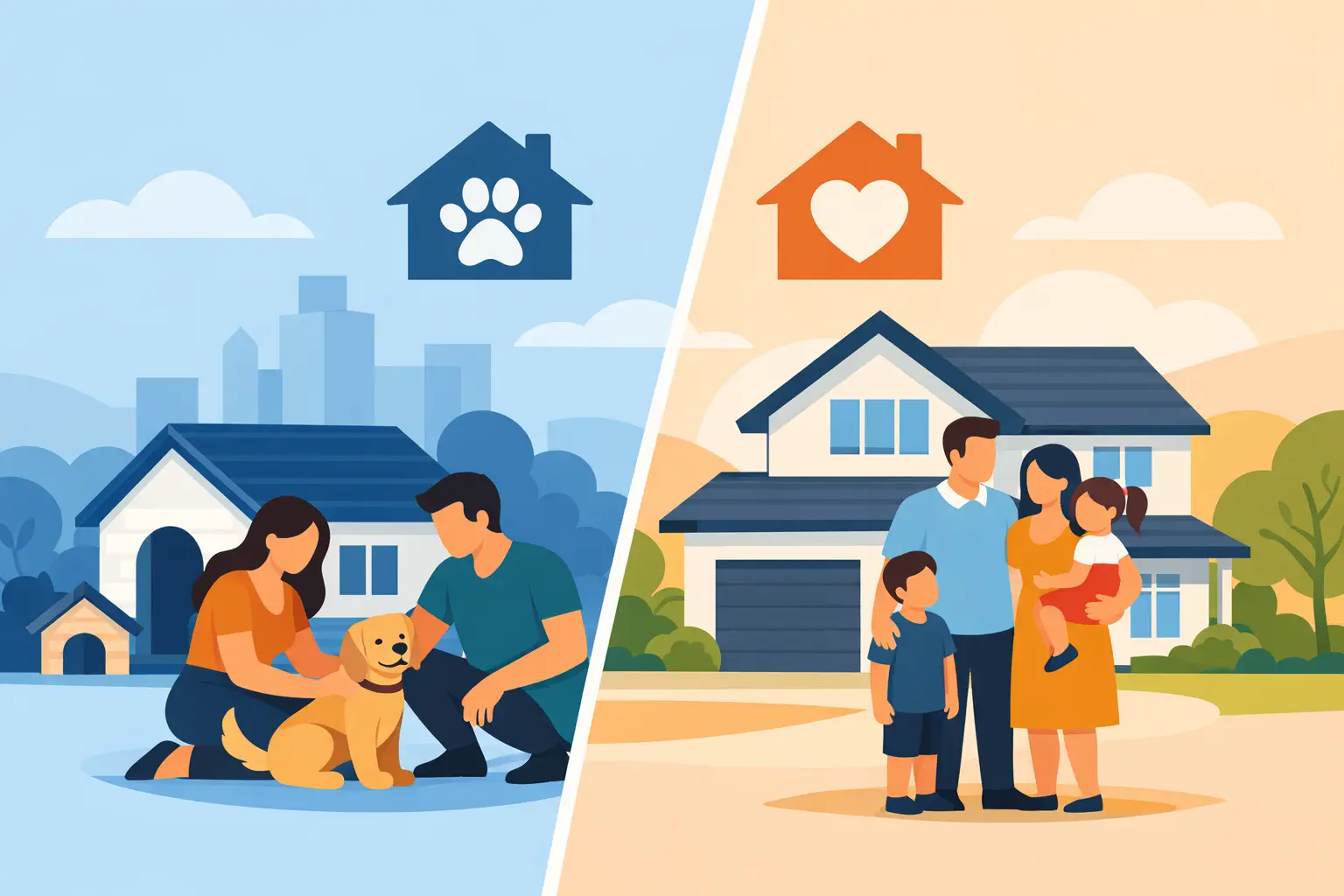
The right choice is less about which option is better and more about which commitment fits your household. Traditional ownership offers the greatest independence. A guardian home offers a lower initial cost in many programs, but it comes with shared responsibilities and less flexibility during the breeding years.
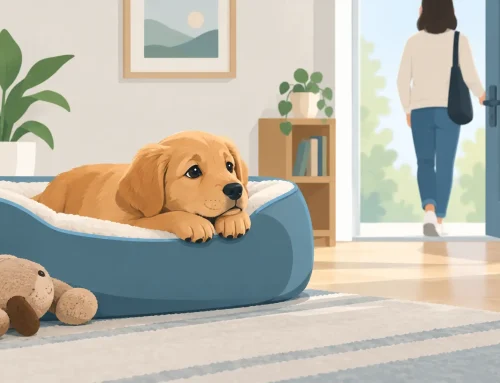
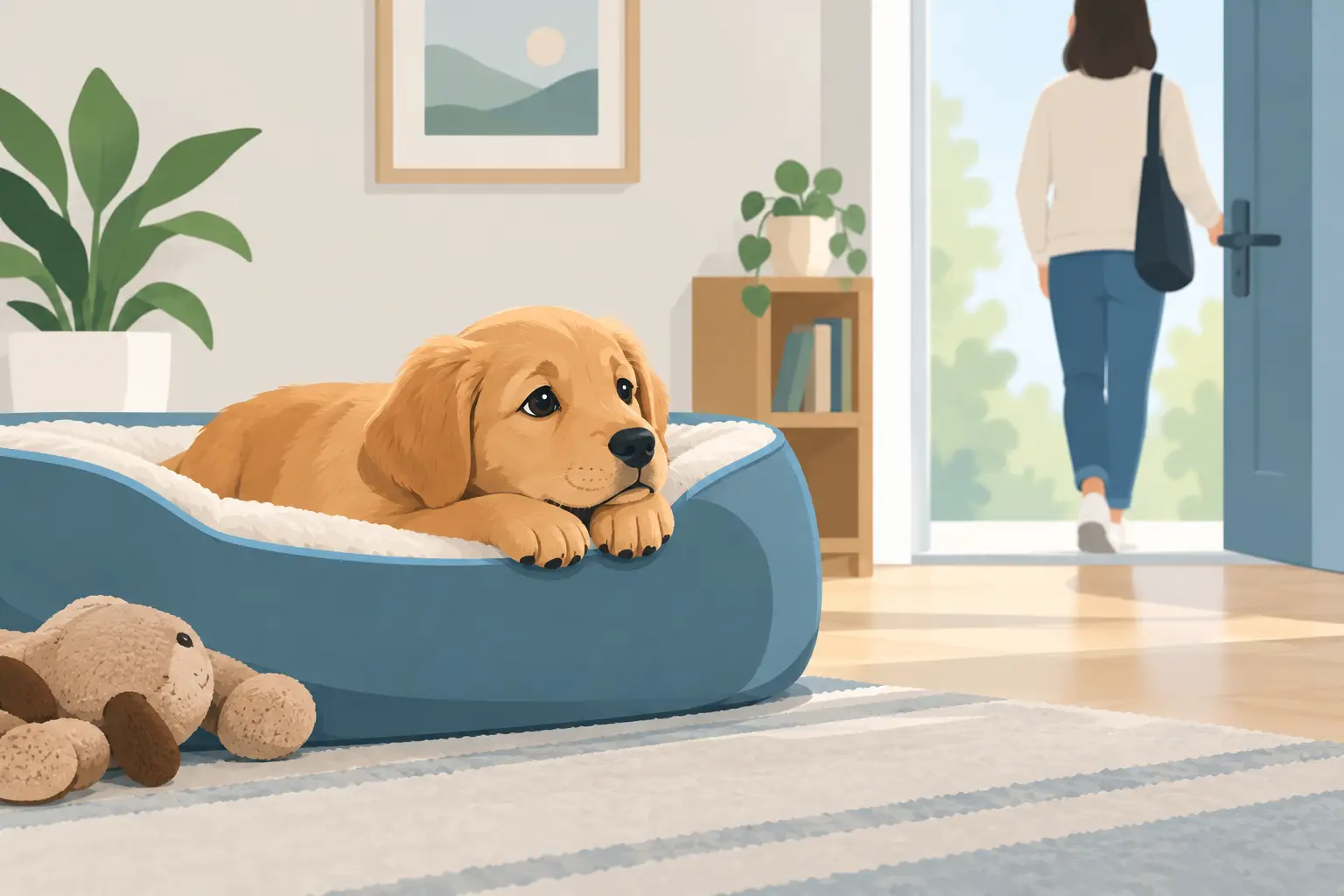
With a traditionally owned puppy, your schedule is your own. You can relocate, take a long trip, choose your veterinarian, or make future care decisions without involving a breeder, as long as you honor the purchase contract. With a guardian dog, communication is part of the arrangement. A heat cycle, health evaluation, breeding appointment, or whelping plan may require coordination well in advance.
For female guardian dogs, the commitment can be more involved because pregnancy and raising a litter require time away from the guardian home. For male guardian dogs, breeding obligations may be shorter, but availability and travel may still be needed. The breeder should explain what is expected based on the dog’s sex, age, health status, and role in the program.
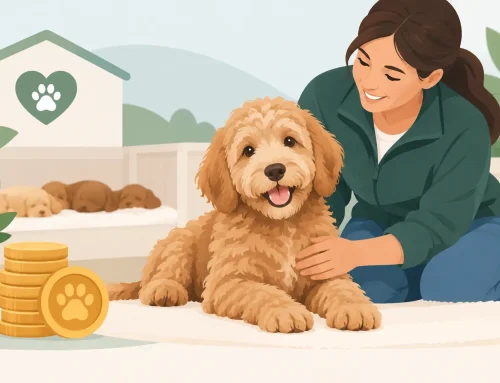
Cost is another important distinction. Guardian families may receive their dog at a reduced cost or with certain breeding-related expenses covered by the breeder. That does not mean a guardian home is a no-cost dog. Families should still be prepared for everyday expenses such as food, routine veterinary visits, grooming, training, parasite prevention, toys, boarding when applicable, and unexpected medical needs as defined by the agreement.
Questions to Ask Before Joining a Guardian Program
A guardian arrangement should never feel vague or pressured. The best programs are transparent, organized, and built around the dog’s well-being. Before making a decision, ask for clear answers about the following:
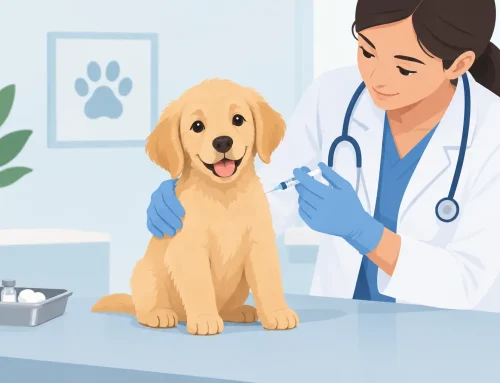
- Who pays for routine care, breeding-related testing, and unexpected veterinary expenses?
- How often might the dog need to be away from your home, and for approximately how long?
- What training, grooming, weight, nutrition, and health requirements will the family be expected to maintain?
- When and how will full ownership transfer to the guardian family?
You should also ask what happens if the dog does not pass health testing or is not selected for breeding. A thoughtful breeder will have a clear plan and put the terms in writing. Read the agreement carefully, discuss any concerns before committing, and make sure every adult in your household understands the responsibility.
The Family Lifestyle Matters
Guardian homes work best when families have predictable routines, reliable transportation, and the ability to communicate promptly. A dog who is fearful, poorly socialized, significantly overweight, or inconsistently cared for cannot be responsibly included in a breeding program. Guardian families must be willing to follow guidance on nutrition, preventive care, training, and grooming.
The arrangement may not be ideal for a household facing a major move, frequent long-distance travel, an uncertain work schedule, or significant upcoming life changes. There is no shame in choosing traditional ownership if you want complete flexibility. In fact, being honest about your capacity is one of the kindest things you can do for a dog.
It can be a wonderful fit for a family that enjoys staying connected with their breeder, values purposeful health-focused breeding, and has room in their lives for occasional coordination. Children can also learn something meaningful from the experience: that caring for a dog includes showing up consistently, respecting commitments, and putting the animal’s needs first.
Choosing the Right Path for Your Home
If your main goal is a predictable companion-dog experience with full decision-making authority, traditional ownership is likely the better fit. You will have the freedom to shape your dog’s life around your own family’s schedule from puppyhood through adulthood.
If you love the idea of welcoming a special dog into your home while playing a trusted role in a responsible breeding program, a guardian home may be worth considering. The relationship requires communication and flexibility, but it can also offer a close connection to the care and purpose behind future litters.
At Providence Hill Australian Labradoodles, we believe a breeding dog deserves the same warm home life, daily affection, and attentive care as any family companion. Whether you choose a guardian opportunity or traditional ownership, the best decision is the one that allows you to make a steady, lifelong promise to the dog you bring home.