
A puppy’s first weeks shape far more than the photos you will treasure. They influence how comfortably your dog handles children, new sounds, grooming, car rides, rest, and the everyday rhythm of family life. Choosing a responsible puppy breeder means looking beyond a cute litter and asking how each puppy has been intentionally raised before joining a home.
For families searching for an Australian Labradoodle, this matters especially because you are likely looking for a friendly, trainable companion with a manageable coat and a temperament suited to close family life. The right breeder cannot promise that every puppy will behave exactly the same way, but they can stack the odds in your favor through thoughtful breeding, health screening, early socialization, and honest guidance.
What a Responsible Puppy Breeder Does Differently
Responsible breeding begins long before puppies are born. It starts with carefully selected parent dogs whose health, structure, temperament, and lineage have been evaluated. A breeder should be able to speak clearly about the dogs in their program, the testing they complete, and why a particular pairing was chosen.
Health testing is not a vague statement that the parents are “healthy.” It is a documented process designed to reduce known inherited risks within a breed or line. Depending on the breed, this may include screening for hips, elbows, eyes, heart health, and genetic conditions. No breeder can eliminate every possible health concern in a living animal, but responsible testing shows a commitment to making informed decisions rather than leaving a family to take unnecessary chances.
Temperament deserves the same level of attention. A wonderful family dog is not simply energetic, adorable, or eager to greet visitors. It should also have the ability to recover from normal surprises, accept gentle handling, rest when appropriate, and form a secure bond with people. Stable, affectionate parent dogs give breeders a stronger foundation for raising puppies who can thrive in family settings.
A responsible puppy breeder also plans for the future of every dog they produce. That includes using a clear contract, being available to answer questions, and having a plan if a family can no longer keep their dog. This ongoing responsibility is one of the clearest differences between a breeder focused on homes and one focused only on a sale.
Look Closely at How the Puppies Are Raised
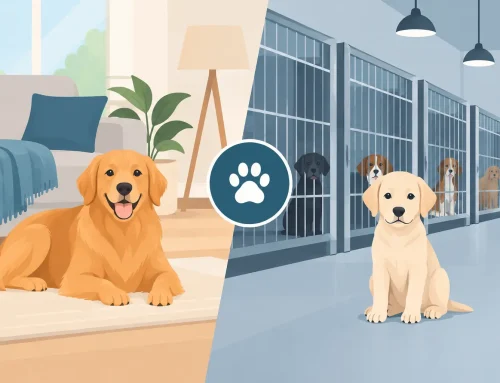
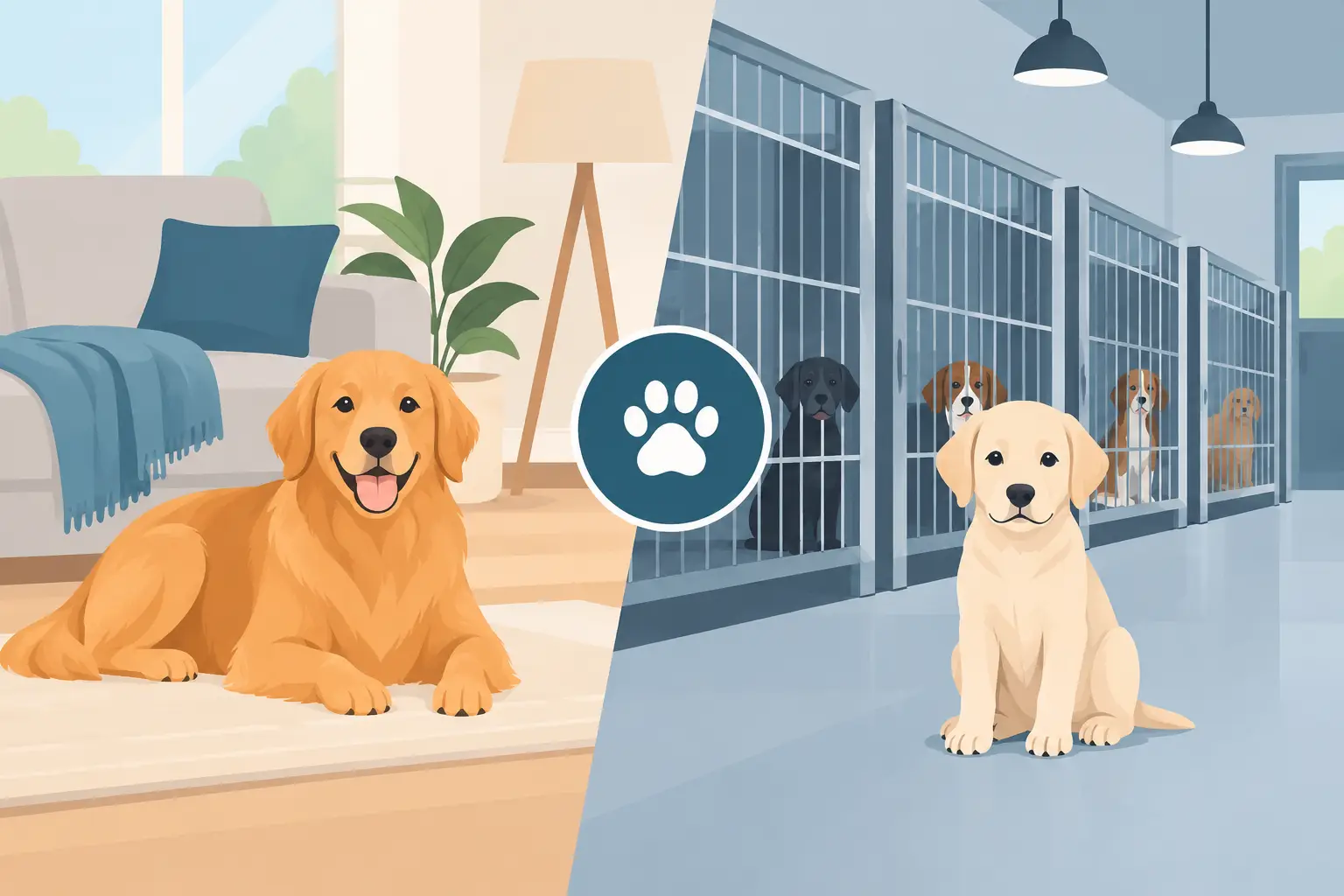
Where and how a puppy spends its early life matters. Puppies raised as part of a home experience the natural sounds and routines that make up daily family life: footsteps, conversation, household activity, gentle handling, and periods of quiet. This does not mean a busy home is automatically better. Puppies still need a clean, safe environment, consistent rest, and careful exposure that does not overwhelm them.
Ask a breeder how they introduce puppies to new experiences. Thoughtful early socialization is gradual and age-appropriate. It may include positive handling, different surfaces underfoot, short car rides, basic grooming exposure, crate familiarity, and carefully managed interactions with people. The goal is not to make a tiny puppy experience everything at once. The goal is to build confidence through safe, positive repetition.
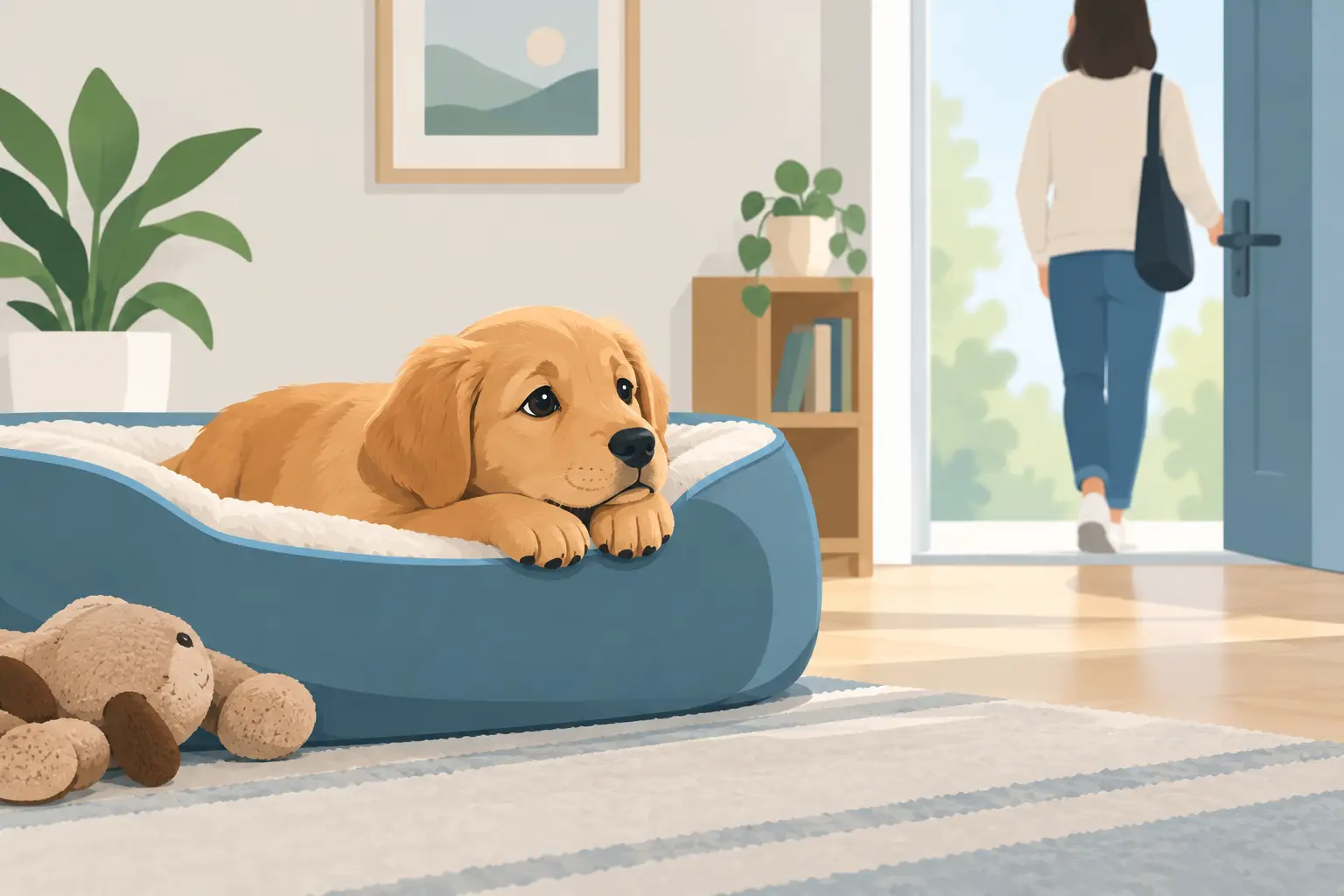
This is particularly valuable for first-time owners. Bringing home a puppy is exciting, but it also comes with interrupted sleep, potty-training accidents, chewing, and a steep learning curve. A puppy that has already had a caring start with handling, routines, and early confidence-building can make the transition more manageable. It does not replace training at home, but it gives your family a meaningful head start.
At Providence Hill Australian Labradoodles, puppies are raised with the family home in mind, with early preparation designed to support a smooth transition into the homes they join.
Questions Worth Asking Before You Apply
A trustworthy breeder should welcome respectful questions. You do not need to be an expert to ask them. In fact, a good breeder expects families to want clarity before making such an important commitment.
Start by asking about the parent dogs’ health testing and whether you can review the results. Ask what the breeder has observed about each parent’s personality, energy level, and behavior around people. If you have young children, other pets, allergies, or a quieter lifestyle, say so plainly. The breeder’s response should help you think through fit, not simply reassure you that every puppy will suit every home.
It is also helpful to ask how puppies are matched with families. Color, coat type, and gender may be meaningful preferences, but a knowledgeable breeder will also consider temperament and household needs. A confident, active puppy may be a wonderful match for one family and too much for another. Matching is not about labeling a puppy as good or bad. It is about placing each puppy where its individual traits can be appreciated and guided well.
Ask what support is offered after pickup day. Reputable breeders understand that questions do not end when a puppy leaves. Families often need help with feeding schedules, crate training, grooming routines, teething, and the normal adjustments of the first few weeks. Clear resources and an available breeder can bring real peace of mind during that transition.
Be Aware of Red Flags, Without Rushing the Process
The pressure to secure a puppy quickly can make it easy to overlook concerns. Be cautious if a seller cannot provide health information, avoids questions about the parents, has many unrelated breeds constantly available, or seems unwilling to discuss where puppies are raised. A breeder who pushes for immediate payment while offering little information deserves a closer look.
Photos and social media updates can be helpful, but they are not a substitute for transparency. Families should expect clear communication about availability, deposits, timelines, veterinary care, and what comes home with the puppy. The process should feel organized and personal, not confusing or rushed.
There are also trade-offs to understand. A carefully bred, well-raised puppy may involve a waiting list, a detailed application, and a higher initial cost than a puppy found through a quick online search. Those requirements can feel inconvenient when your family is ready now. Yet they often reflect the time, testing, individualized care, and support that responsible breeding requires.
A wait is not automatically proof of quality, and an available puppy is not automatically a concern. Circumstances vary. What matters is whether the breeder can explain their process openly and whether their practices consistently put the dogs’ welfare first.
The Breeder Should Care About Your Home, Too
The right relationship goes both ways. A responsible breeder will want to know about your schedule, children, other animals, activity level, and expectations. They may ask questions that feel personal because they are trying to make a lasting match, not complete a fast transaction.
Be honest about what you can realistically offer. Australian Labradoodles are social, intelligent dogs that benefit from training, companionship, coat care, and daily engagement. While many families seek their low-shedding qualities, no dog is completely non-shedding or guaranteed to be allergy-safe for every person. Coat type, grooming needs, and individual allergies all deserve a practical conversation before you commit.
A breeder should also help you prepare for the first days at home. That may include guidance on food, sleep routines, potty breaks, safe introductions, veterinary scheduling, and grooming. The early weeks are not about perfection. They are about building predictable routines and giving your puppy a secure place to learn.
Choose the Partnership, Not Just the Puppy
A healthy, loving puppy begins with intentional work you may never fully see: careful pairing decisions, long nights of care, routine cleaning, early handling, records, communication, and the willingness to stand behind each dog for life. Those details are what make the difference when a puppy grows into a cherished family companion.
Take your time, ask clear questions, and pay attention to how a breeder treats both their dogs and prospective families. The best choice is not simply the puppy you can bring home first. It is the breeder whose care gives your new family member the strongest possible beginning.