A guardian home is not a typical puppy purchase, and that is exactly why families should take time to understand it before saying yes. This guardian home program guide explains how the arrangement generally works, what life with the dog looks like, and the conversations that help a family decide whether this special role is the right fit.
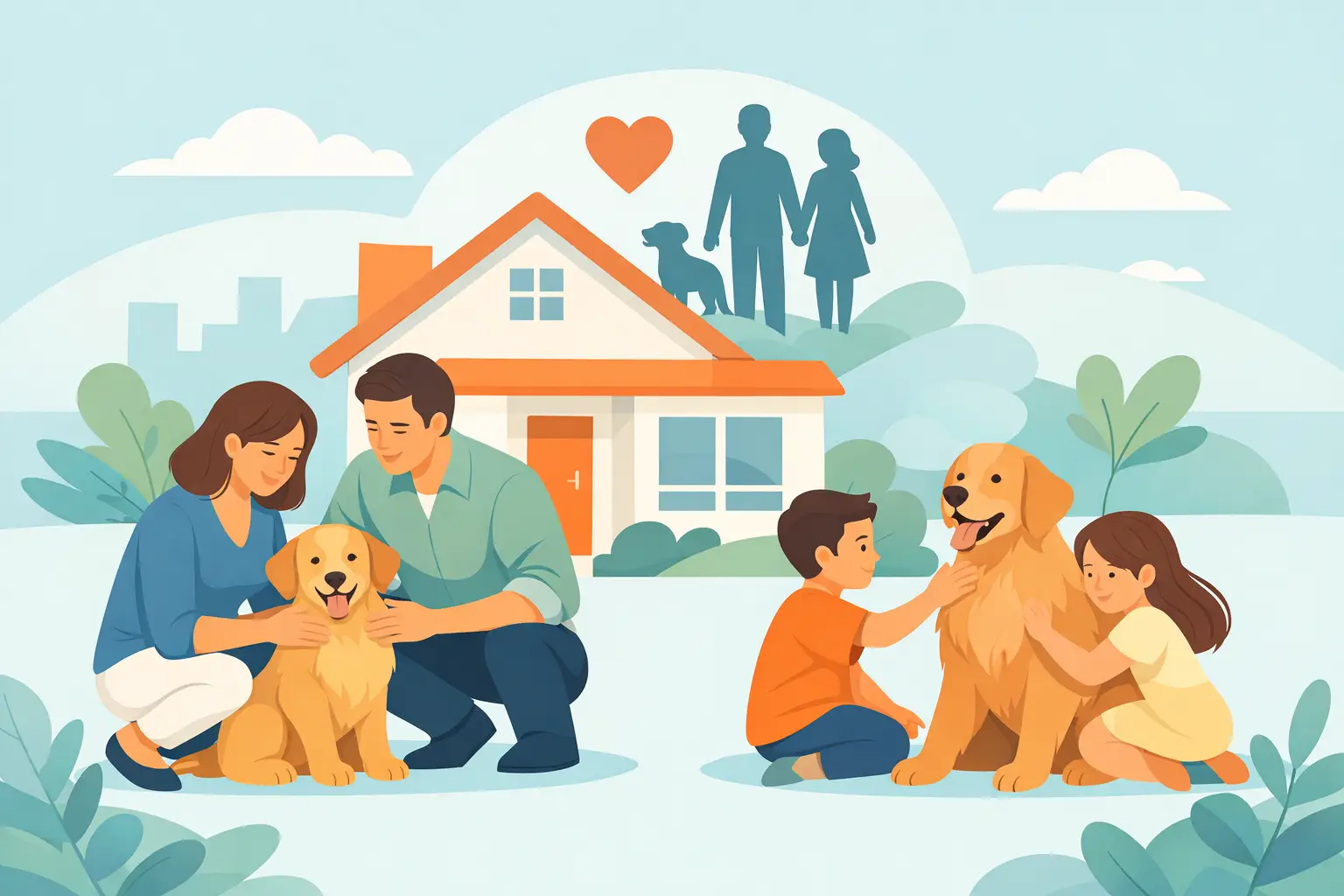
For the right household, a guardian home can be a meaningful way to welcome an exceptional Australian Labradoodle into the family while supporting a responsible breeding program. The dog lives where dogs should live: in a loving home, included in everyday routines, learning family life, and receiving consistent care. The breeder retains certain breeding rights for a defined period, while the guardian family provides the stable, permanent home the dog deserves.
What Is a Guardian Home Program?
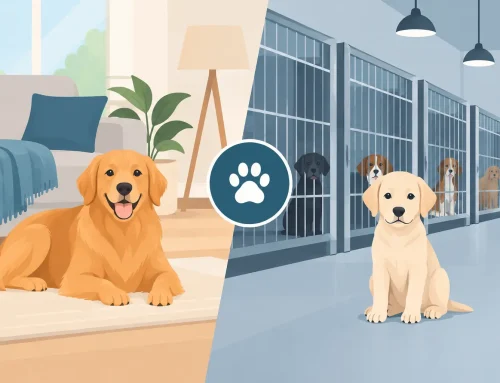
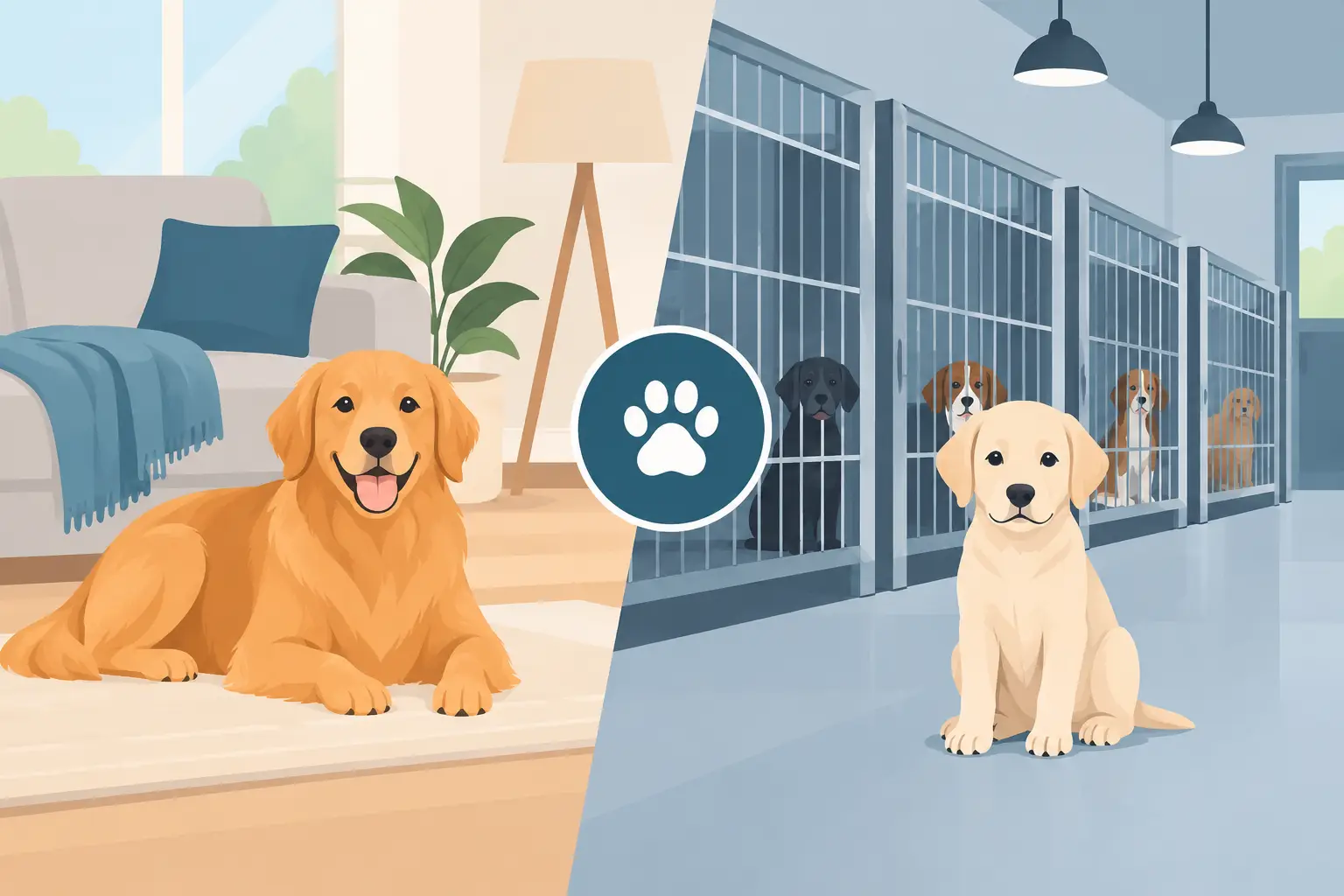
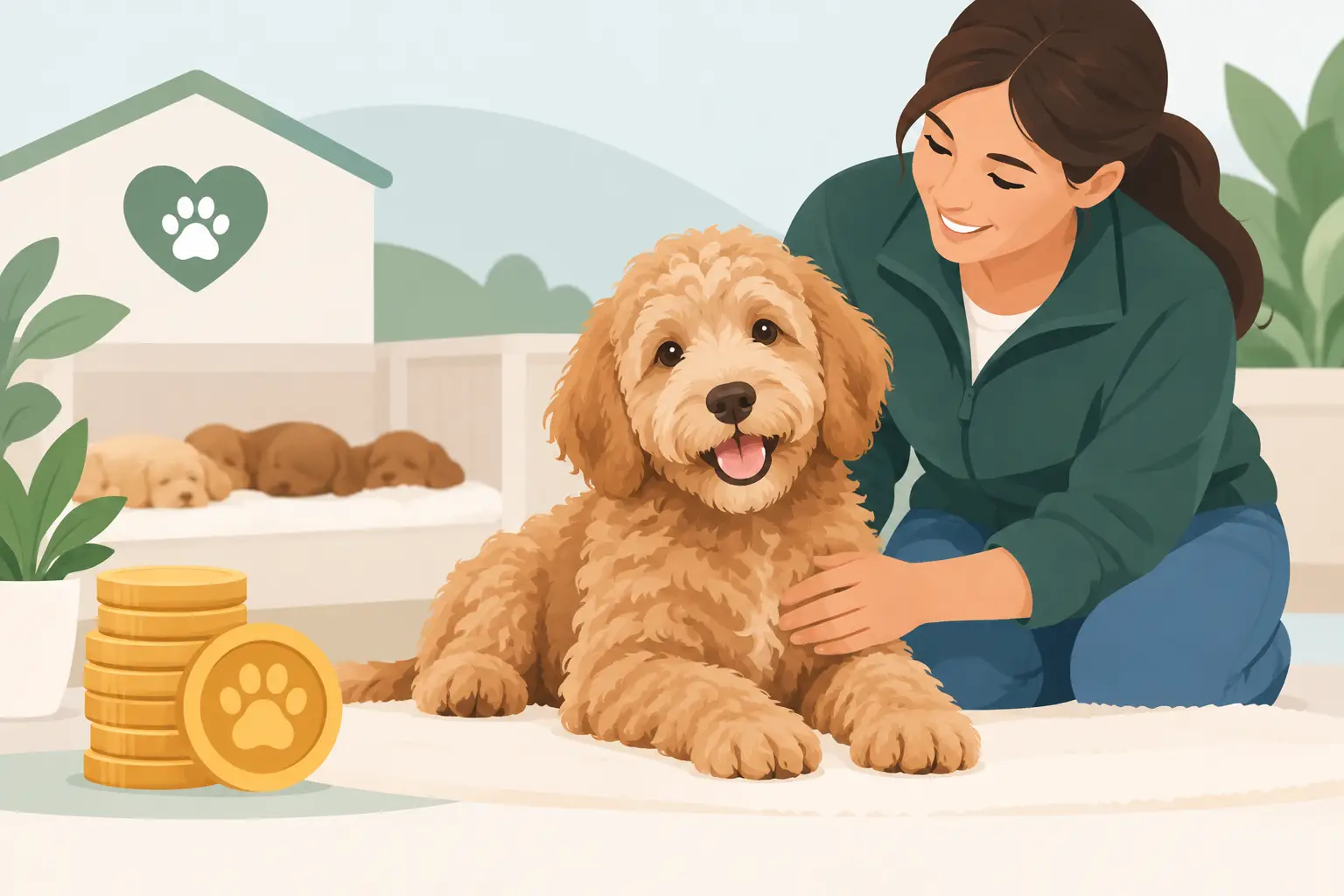
A guardian home program places a carefully selected breeding prospect with an approved family. Rather than spending their life in a kennel setting, the dog grows up as a beloved family companion. The breeder and guardian family share responsibilities according to a written agreement.
Usually, the guardian family handles the day-to-day work of dog ownership. That includes training, socialization, exercise, grooming, routine veterinary care, quality nutrition, and the ordinary affection and structure that help a dog thrive. The breeder remains responsible for breeding-related decisions, including health clearances, timing, breeding arrangements, and care connected specifically to pregnancy, whelping, or stud service.
The details matter, and every breeder’s agreement can be different. Some programs place a female who will return to the breeder for breeding and to deliver and raise her puppies. Others place a male who visits the breeder for planned stud appointments. Once the dog completes the agreed breeding commitment and is retired, full ownership is generally transferred to the guardian family.
Why Responsible Breeders Use Guardian Homes
A thoughtful guardian program puts the dog’s quality of life first. Australian Labradoodles are deeply people-oriented dogs. They are happiest when they have a close relationship with their family, regular companionship, and a dependable daily routine. A guardian home allows a future breeding dog to have that full family life.
It also helps a responsible breeder maintain a carefully planned breeding program without keeping more dogs than can receive individual attention in one household. This matters when a breeder is focused on health testing, temperament, coat qualities, and the family-friendly traits that make Australian Labradoodles such wonderful companions.
For a family, the opportunity can be especially appealing because guardian dogs are often selected for excellent temperaments, sound structure, and breeding potential. Still, a guardian placement should never be viewed as simply a discounted way to get a dog. It is a partnership with real commitments, scheduling needs, and a responsibility to communicate clearly with the breeder.
Who Is a Good Fit for a Guardian Home?
The best guardian homes are stable, flexible, and fully committed to the dog for life. A family does not need to be perfect, but they do need to be prepared for the practical side of shared ownership.
A strong candidate usually has a predictable home environment and can provide daily companionship. Because Australian Labradoodles are social, intelligent dogs, they benefit from people who enjoy training, can keep up with grooming needs, and will make the dog part of the household rather than leaving them isolated for long stretches.
Proximity can also matter. A breeder may require guardian families to live within a reasonable driving distance so health testing, breeding appointments, and planned care can happen safely and without unnecessary stress on the dog. Families in Virginia and nearby East Coast communities should ask about travel expectations early, not after they have become emotionally attached to a particular dog.
Households with children can be wonderful guardian homes when the adults remain the dog’s primary caregivers. Children can help with age-appropriate tasks, but parents need to manage training, feeding, grooming, veterinary decisions, and communication with the breeder. A dog should have consistent rules, even in a busy family home.
The Questions to Ask Before You Apply
The guardian home program guide should begin with the contract, not with assumptions. A reputable breeder will welcome thoughtful questions and explain expectations in plain language. Read every part of the agreement before making a commitment, and ask for clarification on anything that feels vague.
Start with ownership. Ask whose name will appear on registration and veterinary records during the breeding term, when full ownership transfers, and what happens if the dog does not pass required health testing or is never bred. In many programs, a dog that does not enter the breeding program simply stays with the guardian family, but the exact terms should be written clearly.
Next, discuss expenses. You should understand which routine costs belong to the guardian family and which breeding-related expenses belong to the breeder. Routine items may include food, grooming, training, preventives, annual wellness care, and treatment for ordinary illness or injury. Breeding-related health testing, reproductive care, and pregnancy or whelping costs are often handled by the breeder. Do not rely on general practices – rely on the specific agreement you are being asked to sign.
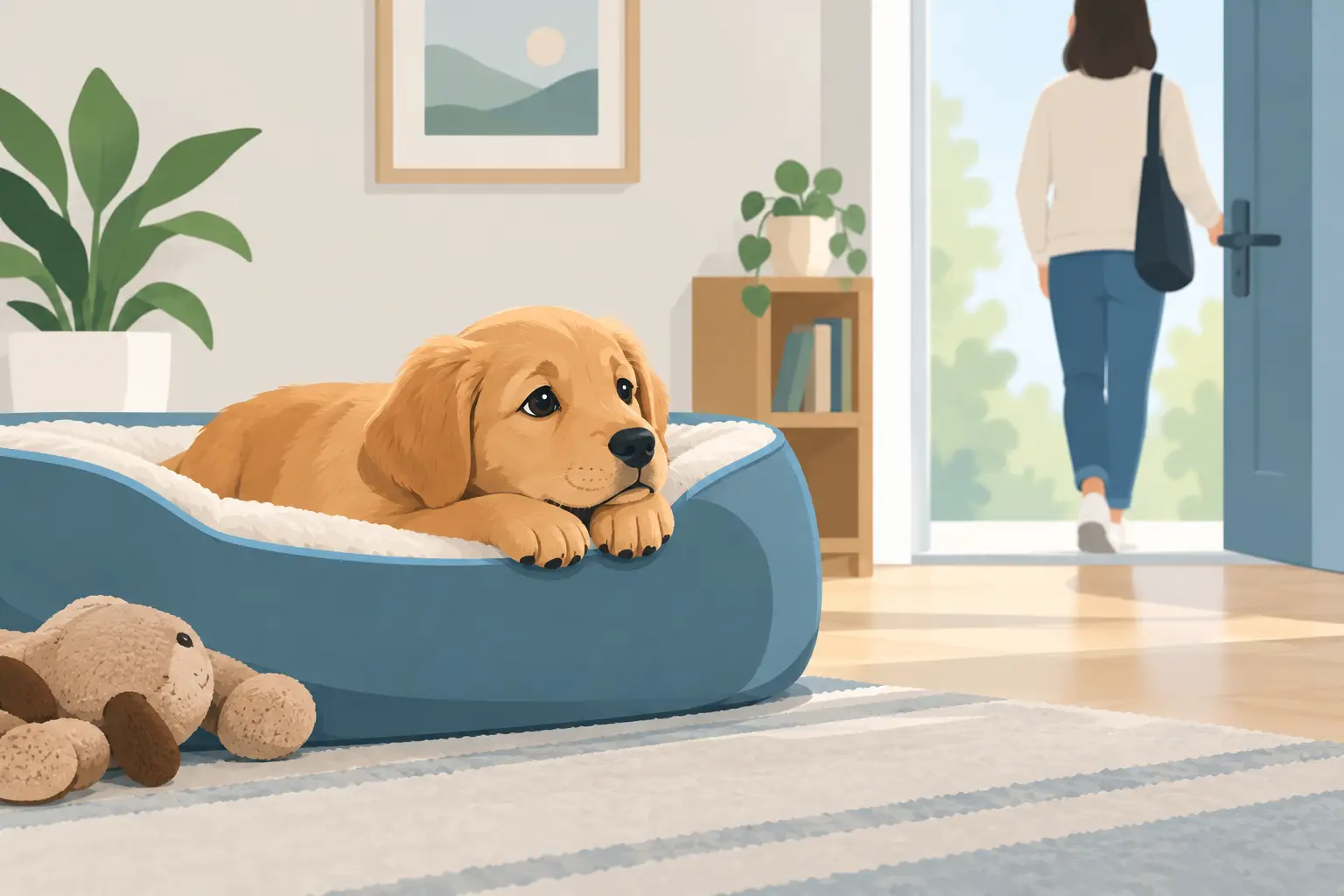
Ask how often the dog may need to be away from home and for how long. For a female, this can include heat-cycle monitoring, breeding visits, and time at the breeder’s home for delivery and puppy care. For a male, it may involve shorter planned visits. Knowing the likely rhythm helps families arrange work schedules, childcare, travel, and emotional expectations ahead of time.
It is also wise to ask about decision-making if an emergency occurs. Who approves treatment? Who is financially responsible? How will both parties communicate when a situation is urgent? Responsible partnerships work best when the plan is clear before a difficult moment arrives.
Daily Care Still Belongs at Home
A guardian dog needs the same thoughtful care as any cherished family pet. Early training is particularly important. Basic cues, polite leash skills, crate comfort, reliable house manners, and positive social experiences make life easier for the dog, the family, and the breeding program.
Grooming deserves attention as well. Australian Labradoodles are known for low-shedding coats, but low shedding does not mean low maintenance. Regular brushing helps prevent matting, while professional grooming on a dependable schedule keeps the coat comfortable and manageable. Families should be honest about whether they can maintain that routine.
Nutrition, healthy body condition, and exercise are equally important. A dog being considered for breeding should not be overfed, under-exercised, or pushed too hard during development. Your breeder may offer guidance on food, supplements, growth, and age-appropriate activity. Following that guidance protects the dog’s long-term health and supports sound development.
Building a Partnership That Works
The strongest guardian relationships are built on communication. Let the breeder know about changes that could affect the dog, such as a move, a new job with extensive travel, a major household change, or a medical concern. In return, the breeder should be responsive, organized, and respectful of the fact that this dog is your daily companion and family member.
There will be trade-offs. Your family may need to adjust plans around a breeding schedule. You may miss your dog when she is away for whelping and puppy raising. A male may need to be available on short notice during a planned breeding window. Those realities do not make the arrangement unsuitable, but they do require maturity and flexibility.
At Providence Hill Australian Labradoodles, the goal of a guardian placement is to support healthy, well-loved dogs while giving them the home-centered life they deserve. Families considering this path should expect transparency, health-focused planning, and ongoing communication from the breeder they choose.
A guardian home can be a beautiful commitment when the arrangement feels clear, fair, and centered on the dog’s well-being. Take your time, read the agreement carefully, and choose the role only if you can offer both a loving home and a dependable partnership for the years ahead.