A puppy’s first eight weeks are not just a waiting period before pickup day. They are a fast-moving season of learning: where to sleep, how people sound, what household activity feels like, and whether new experiences are safe. That is why families often ask about in home versus kennel breeding when choosing a breeder. The setting matters, but the daily care, health practices, and intention behind that setting matter even more.
A beautiful home setting does not automatically mean a well-raised puppy, just as a dedicated kennel facility is not automatically a concern. The most responsible choice is the breeder who can clearly explain how puppies are raised, protected, socialized, and prepared for family life.
In Home Versus Kennel Breeding: The Core Difference
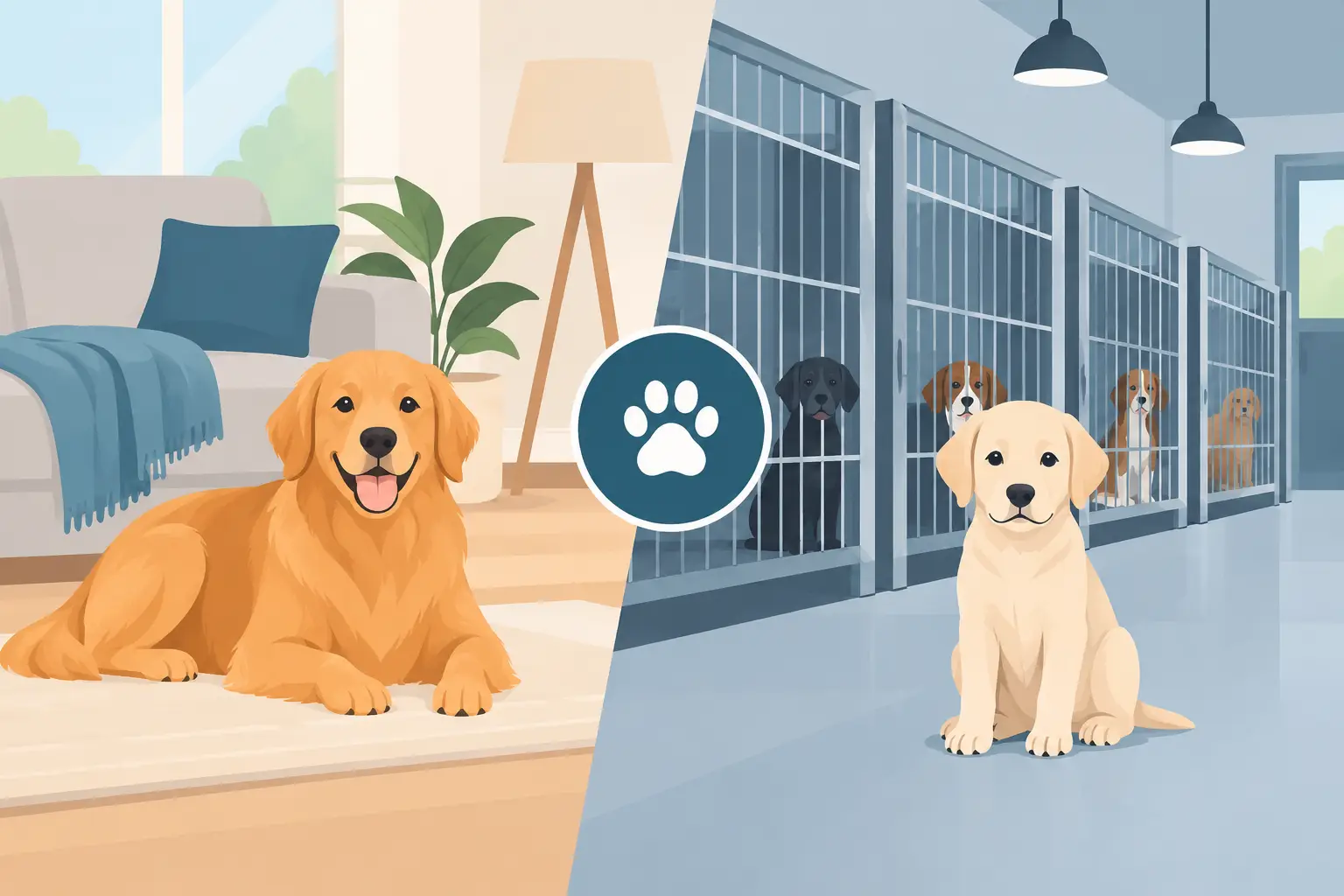
In-home breeders raise dogs and puppies as part of a household environment. Puppies may hear the dishwasher, television, vacuum, doorbell, children playing, and the ordinary rhythms of family life. They are often handled frequently and may have more opportunities for one-on-one observation from the breeder.
Kennel breeding generally takes place in a separate, purpose-built facility or dedicated building. A well-managed kennel can offer carefully controlled sanitation, individual spaces, secure exercise areas, and organized routines. Some high-quality breeders use a combination of both approaches, with adult dogs living in guardian homes or family homes while whelping and early puppy care happen in a specialized space.
Neither label answers every question. What families truly need to know is how the breeder manages cleanliness, maternal care, enrichment, training foundations, veterinary oversight, and the puppies’ transition into a home.
Why a Home Environment Can Be Valuable
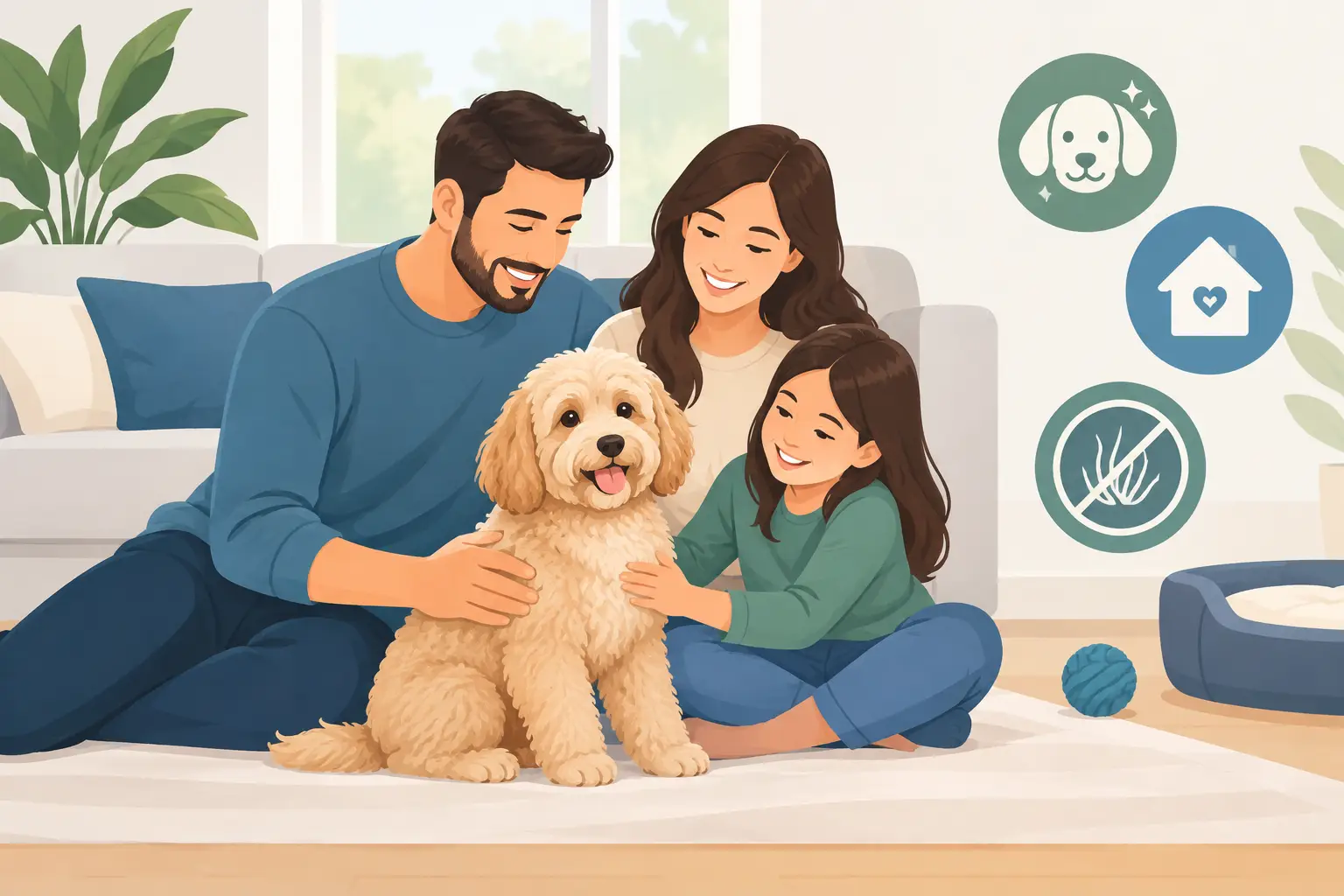
For a companion breed such as the Australian Labradoodle, early exposure to normal household life can be especially helpful. These dogs are bred to be affectionate, people-oriented companions, and their earliest experiences can shape how confidently they approach family routines.
Puppies raised thoughtfully in a home may become familiar with everyday sounds before leaving for their new families. A blender or vacuum does not have to be frightening if it has been introduced gradually, at a safe distance, with calm human guidance. Gentle handling by different trusted people can also help puppies become comfortable with the kinds of touch they will experience throughout life, including grooming, bathing, nail trims, and veterinary exams.
An in-home setting can give a breeder a close view of each puppy’s development. They may notice who is more adventurous, who settles easily after play, who enjoys human interaction, and who needs a little more time with a new experience. That knowledge can support thoughtful puppy matching, particularly for families with young children, first-time dog owners, or households seeking a calmer companion.
However, a home environment must still be managed professionally. Puppies need clean, safe areas that are easy to sanitize. They need room to rest away from constant activity. Mothers need privacy and low-stress care while nursing. A breeder should never use “raised in our home” as a substitute for structured health, cleanliness, and socialization standards.
When a Kennel Can Also Be Responsible
The word “kennel” can create concern for families, especially when they picture crowded runs or puppies with limited human contact. Those concerns are valid when a facility prioritizes volume over individual care. But a purpose-built kennel is not inherently irresponsible.
A small, carefully operated facility can be exceptionally clean and organized. It may provide separate whelping spaces, temperature control, disease-prevention procedures, secure outdoor areas, and a consistent care schedule. These features can be beneficial when paired with frequent, positive human interaction and age-appropriate enrichment.
The question is whether puppies spend their earliest weeks in a sterile, isolated routine or receive meaningful exposure to people and life beyond their pen. A responsible kennel breeder should be able to describe how puppies are handled each day, how they are introduced to new sounds and surfaces, and how they begin preparing for crate training, grooming, and family routines.
For families, it is helpful to avoid making a decision based on one word alone. “In-home” and “kennel” describe location. They do not, by themselves, describe breeding ethics or puppy quality.
The Standards That Matter More Than the Building
Whether puppies are raised in a family room, a dedicated nursery, or a combination of spaces, responsible breeding requires consistent standards. Health begins well before a litter arrives. Parent dogs should be screened for breed-relevant genetic and orthopedic health concerns, evaluated for sound temperament, and cared for as valued dogs rather than breeding inventory.
The mother’s wellbeing is also central. A healthy, relaxed mother supports her puppies during their earliest days, while an attentive breeder monitors nursing, weight gain, sleep, and developmental milestones. Families should feel comfortable asking how often litters are produced, where adult dogs live, and how the breeder supports mothers before and after whelping.
Cleanliness is equally important, but it should not mean puppies live without normal sensory experiences. A good puppy environment is sanitary, warm, and safe, while still offering gradually changing textures, toys, sounds, and spaces. Puppies need rest, too. Constant stimulation is not the goal. The goal is positive exposure delivered at a pace each puppy can handle.
Early socialization should be intentional rather than accidental. Simply having puppies in a busy home does not guarantee they have been properly socialized. A responsible breeder considers what puppies need to practice: being held gently, hearing common sounds, walking on different surfaces, meeting appropriate visitors, riding in a vehicle when suitable, and settling calmly in a crate or play area.
Questions to Ask Any Breeder
A trustworthy breeder welcomes informed questions because their practices should stand up to careful attention. Rather than asking only, “Are the puppies raised in a home?” ask what daily life looks like for the litter.
You might ask where the mother and puppies sleep, how the whelping space is cleaned, and when puppies are introduced to household sounds. Ask how often puppies are handled and whether the breeder observes individual temperaments as they grow. If a breeder uses a kennel or separate puppy building, ask how puppies receive regular human interaction and exposure to home-like routines.
Health transparency deserves the same level of attention. Ask what testing is completed on parent dogs, what veterinary care puppies receive, and what records will go home with your puppy. Ask how the breeder decides which dogs belong in a breeding program and whether they offer guidance after placement.
Pay attention to the answers, not only the promises. Specific examples are reassuring. A breeder who can explain their sanitation routine, socialization plan, health testing, feeding approach, and puppy matching process is showing you how they think about the work. Vague statements such as “our puppies are loved” may be heartfelt, but they should be supported by clear, responsible practices.
What This Means for Your Family’s First Weeks
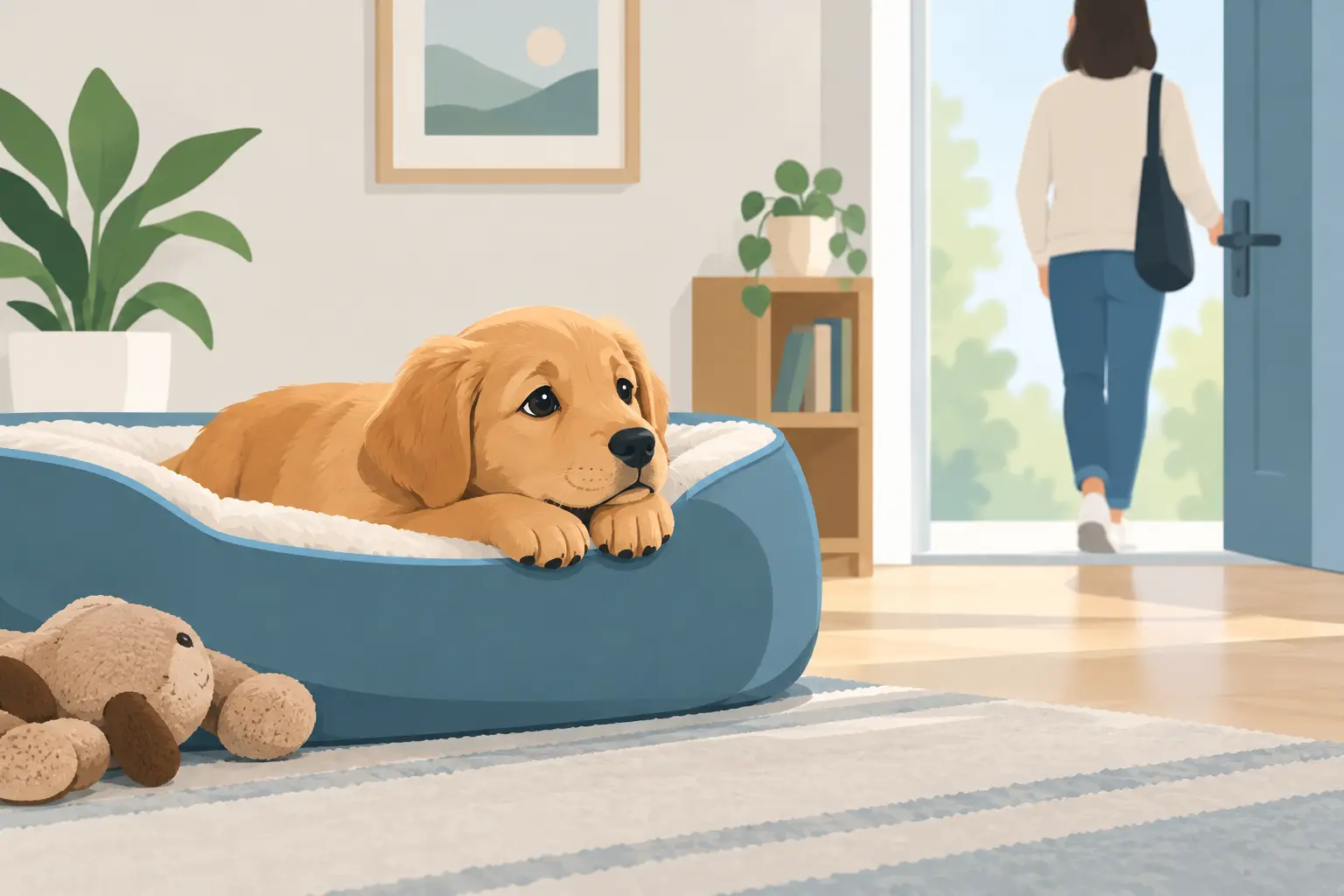
A puppy’s early environment can make the transition home smoother, but no breeder can complete the job alone. Your puppy will still need patience, consistency, safe social experiences, and plenty of sleep after coming home. Even a well-socialized puppy may be unsure in a new house for the first few days.
Families can build on a strong start by keeping the first week calm and predictable. Establish a sleep area, begin a simple potty routine, introduce household noises gradually, and give children clear guidance on gentle interactions. Avoid overwhelming a young puppy with a parade of visitors or nonstop outings. Confidence grows through small successes.
At Providence Hill Australian Labradoodles, we believe the early weeks should prepare a puppy for real family life while protecting the health, comfort, and developmental needs of both mother and puppies. That means thoughtful handling, age-appropriate experiences, and a commitment to breeding for the loving, trainable temperaments families are seeking.
The right breeder will not pressure you to choose based on a marketing label. Instead, they will help you understand how their dogs are cared for and why their process supports healthy, confident companions. Choose the program that gives you clear answers, genuine transparency, and the reassurance that your puppy’s first home was built around their wellbeing.