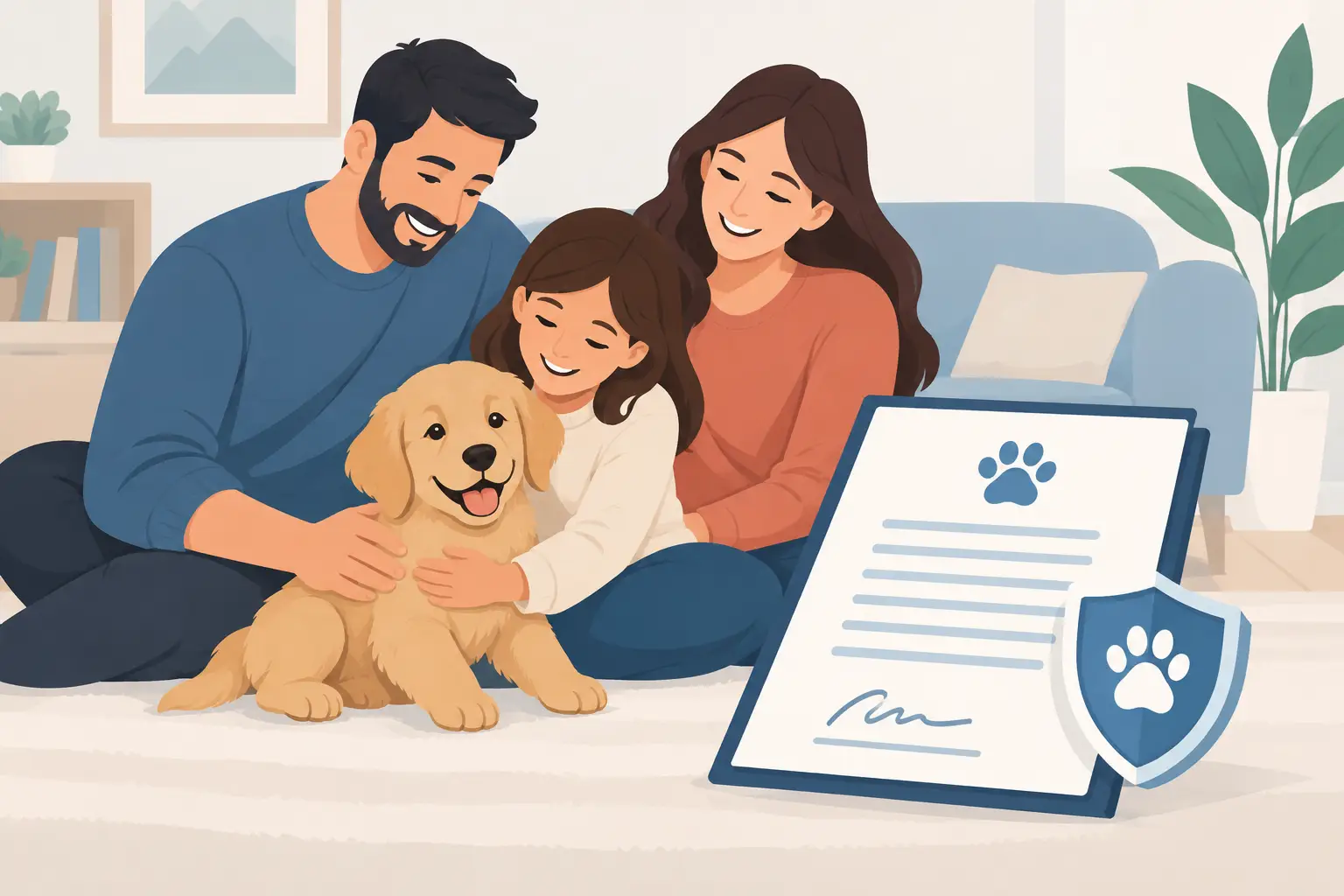
A puppy contract should never feel like fine print standing between your family and an exciting puppy day. It should give you clarity: who bred your puppy, what health information is available, what support you can expect, and how to give your new companion the very best start. Thoughtful puppy contracts protect the puppy first, while also helping buyers and responsible breeders begin their relationship with shared expectations.
For families choosing an Australian Labradoodle, that clarity matters. You are welcoming a smart, affectionate dog into your routines, your home, and often your children’s lives. A well-written agreement helps you make that decision with confidence rather than relying on verbal promises or assumptions.
Why Puppy Contracts Matter Before You Bring a Puppy Home
A contract is not a sign that a breeder expects problems. In many cases, it is the opposite. Responsible breeders invest years into health testing, careful pairing, early socialization, and raising puppies in a home environment. They want each puppy placed with a family prepared to continue that care.
A clear agreement puts the details in writing while everyone is excited, communicating well, and focused on the puppy’s future. It can explain the purchase terms, health guarantee, vaccination and deworming records, registration information, spay or neuter expectations, and what happens if a family can no longer keep the dog.
It also gives buyers a useful way to evaluate a breeder. If a breeder cannot explain their contract, avoids questions about health testing, or pressures you to sign without time to read it, pause. A good breeder welcomes informed questions because an educated family is better prepared to raise a thriving puppy.
What a Responsible Puppy Contract Should Include
Every breeder’s agreement will be different, and contract requirements can vary by state. Still, a quality puppy contract generally addresses a few core areas in plain, understandable language.
The puppy’s identity and records
The contract should identify the puppy clearly, often by date of birth, sex, color, microchip number if applicable, and the names of the parents. It should also state the purchase price, deposit terms, remaining balance, and pickup or delivery arrangements.
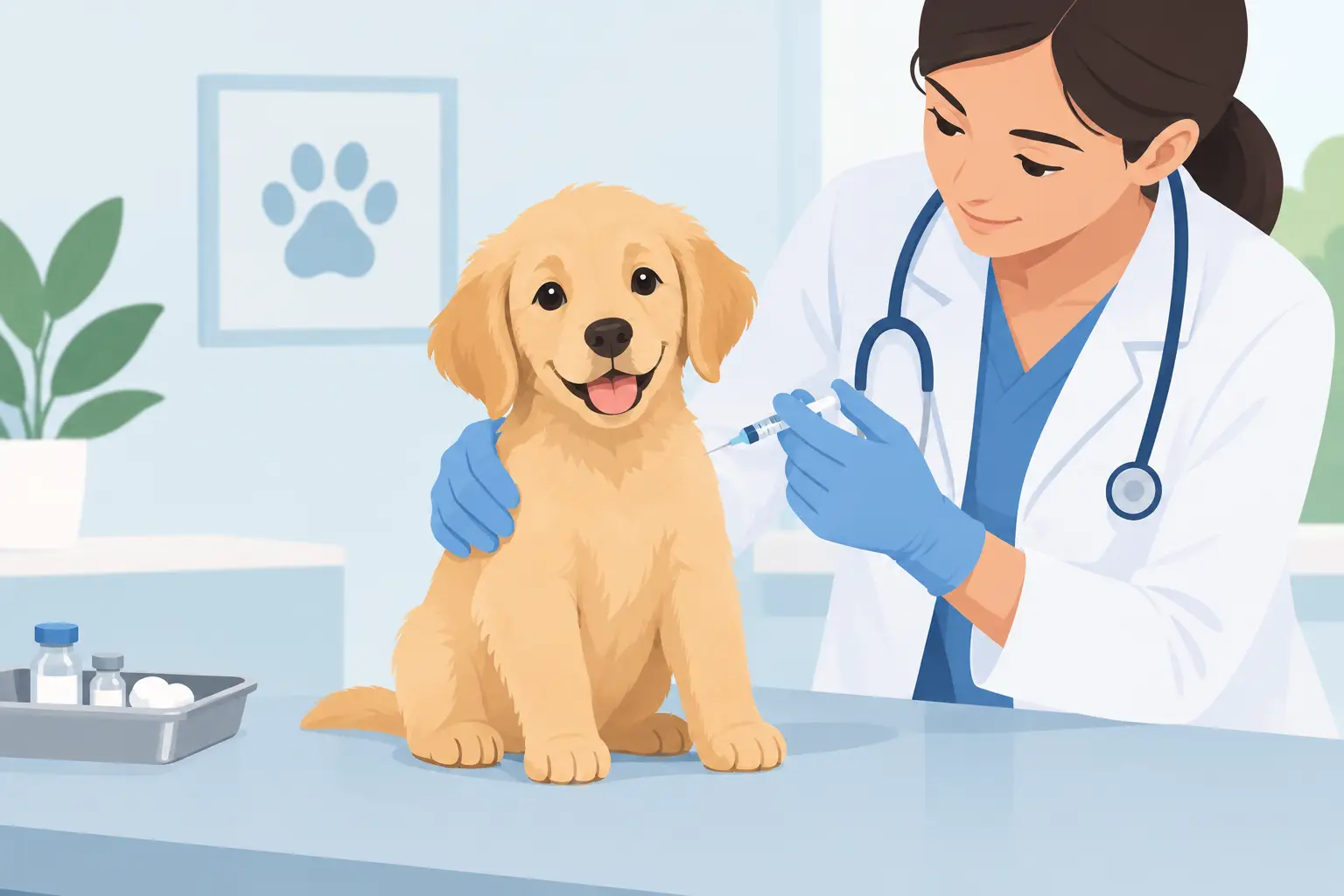
Ask for a record of veterinary care already completed. This commonly includes age-appropriate vaccinations, deworming, a veterinary examination, and any information your veterinarian will need when you schedule your puppy’s first visit. Knowing exactly what has been done helps you maintain a consistent care schedule after your puppy comes home.
Health information and genetic screening
A responsible breeder should be transparent about the health of the puppy and the breeding dogs. For Australian Labradoodles, families may ask about the parents’ genetic screening and health clearances relevant to the breed lines. The contract may explain what health conditions are covered, how long the coverage lasts, and what documentation is required if a concern arises.
Health guarantees deserve careful reading. They are not a promise that a living animal will never develop a health condition. Genetics, nutrition, growth, activity level, injuries, and everyday life all affect a dog’s health over time. Instead, a fair guarantee explains what the breeder stands behind and what process applies if a covered congenital or hereditary issue is diagnosed.
Look for specifics. Does the contract require an examination by your veterinarian within a certain number of days? Does it require records from a licensed veterinarian or a specialist? Does the breeder offer a replacement puppy, a credit, reimbursement, or another remedy? Clear terms prevent confusion during an already stressful situation.
Buyer responsibilities
The best puppy contracts recognize that a puppy’s lifelong well-being is a partnership. Families are usually asked to provide routine veterinary care, proper nutrition, age-appropriate exercise, safe housing, training, and regular grooming. These commitments are especially meaningful for a social, people-oriented breed such as the Australian Labradoodle.
Some agreements also address training and socialization. Early positive exposure to people, household sounds, car rides, grooming tools, and gentle handling can shape a puppy’s confidence. A breeder may ask buyers to complete a puppy class or use positive, consistent training methods. That is not unnecessary control. It reflects a breeder’s hope that each puppy will grow into the calm, well-mannered family companion it was bred to be.
If your puppy is sold as a pet rather than as part of a breeding program, the contract may include a spay or neuter agreement. Read the timing carefully and discuss it with your veterinarian, since recommendations can depend on a dog’s size, development, and individual health needs.
Return and rehoming terms
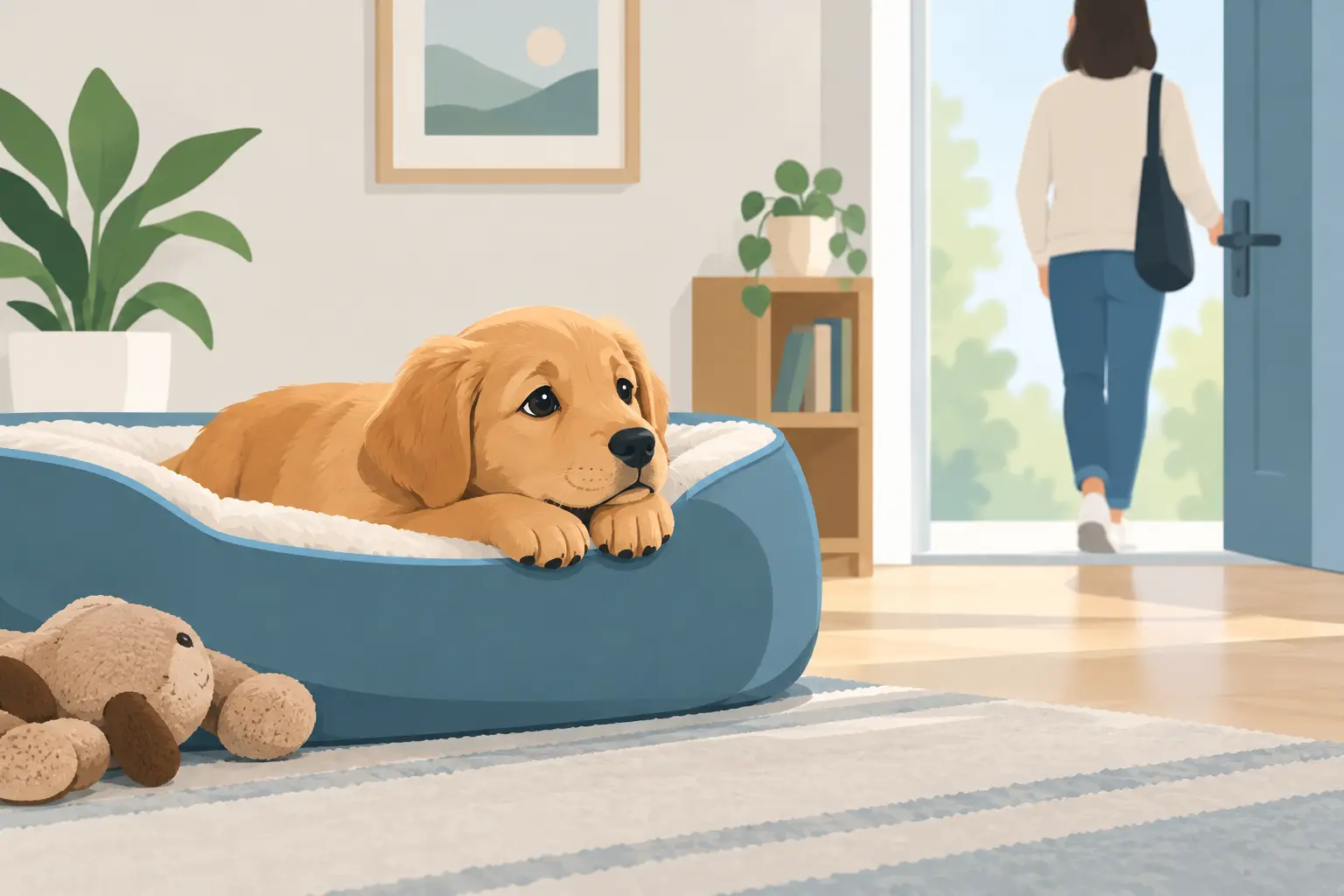
One of the most compassionate parts of a puppy contract is the return policy. Life can change through illness, relocation, financial hardship, allergies, or family circumstances no one could have predicted. Responsible breeders want to know if one of their dogs needs a new home.
Many contracts require the family to contact the breeder before surrendering the dog to a shelter, rescue, or another individual. This gives the breeder an opportunity to help, take the dog back, or assist with a carefully screened rehoming plan. It is a lifelong commitment to the dogs they bring into the world, not merely a condition of sale.
At Providence Hill Australian Labradoodles, that long-term mindset reflects what families should seek from any breeder: support that extends beyond pickup day and a genuine concern for each dog’s future.
Read the Health Guarantee With Realistic Expectations
A health guarantee can be one of the most reassuring sections of a contract, but it should be read carefully rather than viewed as a substitute for ongoing care. Most guarantees have deadlines and conditions. For example, a breeder may require your puppy to be examined by your own veterinarian shortly after coming home. This is good practice for every puppy, whether or not it is required by the agreement.
Keep copies of veterinary records, receipts, and communications with the breeder. Follow the contract’s process if a concern arises. Waiting until a condition becomes serious or pursuing treatment without notifying the breeder when notification is required can complicate an otherwise straightforward conversation.
It also helps to understand what may not be covered. Routine illnesses, parasites picked up after going home, injuries, and conditions connected to missed preventive care are often treated differently from congenital or genetic conditions. Honest contracts explain those distinctions without making broad promises they cannot realistically keep.
Questions to Ask Before Signing a Puppy Contract
You should have the contract before the day you bring your puppy home, with enough time to read it without pressure. If a phrase is unclear, ask what it means in practical terms. A trustworthy breeder should be able to walk you through it calmly.
Consider asking how the breeder defines a covered health condition, what records you will receive, and what the return process looks like if your circumstances change. Ask whether the contract includes requirements for food, supplements, training, grooming, or veterinary care, and why those requirements are included. Some recommendations are designed to protect a growing puppy, while others may simply be preferences. Knowing the difference helps you make an informed commitment.
You may also want to review the agreement with an attorney if you have questions about how it applies in your state. A breeder can explain their intent and policies, but they should not pressure you to treat a contract as something you are not allowed to consider carefully.
Red Flags That Deserve a Closer Look
Not every long contract is a bad one, and not every short contract is careless. What matters is whether the terms are fair, clear, and centered on the puppy’s welfare. Be cautious if an agreement has vague health claims, conflicting deadlines, unexplained fees, or a policy that leaves a dog without a safe path back to the breeder if the family cannot keep it.
You should also be wary of a breeder who offers no health records, will not discuss the parents, or insists that you sign immediately. Responsible breeding is built on transparency. Families deserve to understand the puppy’s background and the commitments they are making before money changes hands.
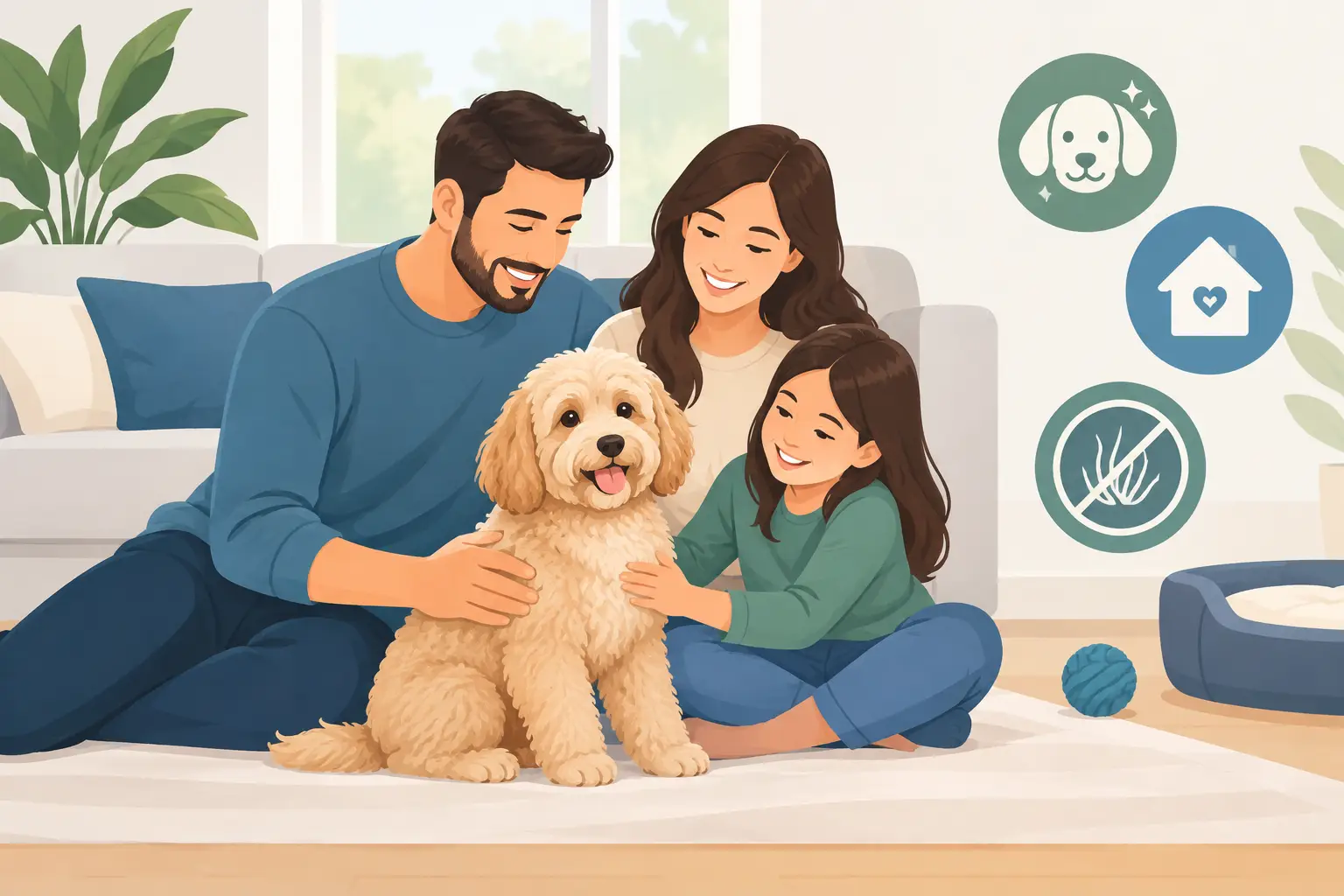
A contract should leave you feeling informed, not intimidated. The right puppy is a family decision with years of happy routines ahead: early morning walks, puppy class victories, muddy paws, grooming appointments, and the quiet comfort of a dog resting at your feet. Take the time to read the agreement closely, ask thoughtful questions, and choose a breeder whose care for your puppy is as lasting as your own.