The first trip with a new puppy can feel bigger than it sounds. Whether you are bringing your Australian Labradoodle puppy home, visiting family, or planning a weekend away, knowing how to travel with a puppy helps protect the routine and trust you are building together. Your goal is not to make every mile exciting. It is to make the experience calm, safe, and predictable.
Puppies are still learning what the world means. A car engine, a busy rest stop, a hotel hallway, or an airport announcement can be a lot to process at once. With thoughtful preparation, travel can become another gentle socialization experience rather than an overwhelming event.
Start With Your Puppy’s Age, Health, and Temperament
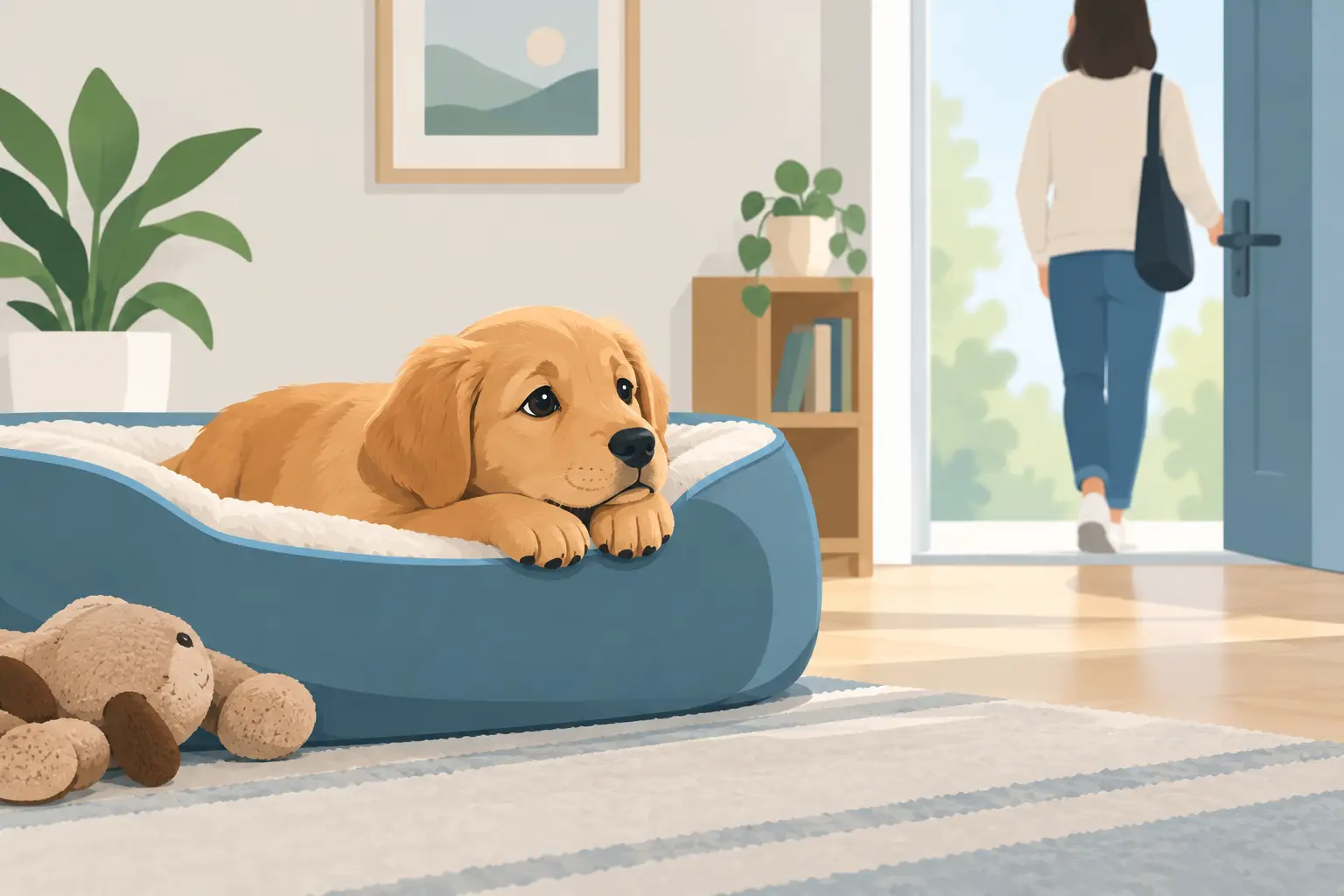
A young puppy does not need a full travel schedule right away. The days after coming home are best spent settling into your family, sleeping often, learning the potty routine, and becoming comfortable in their crate or playpen. If a trip is optional, waiting until your puppy has had time to adjust is usually the kindest choice.
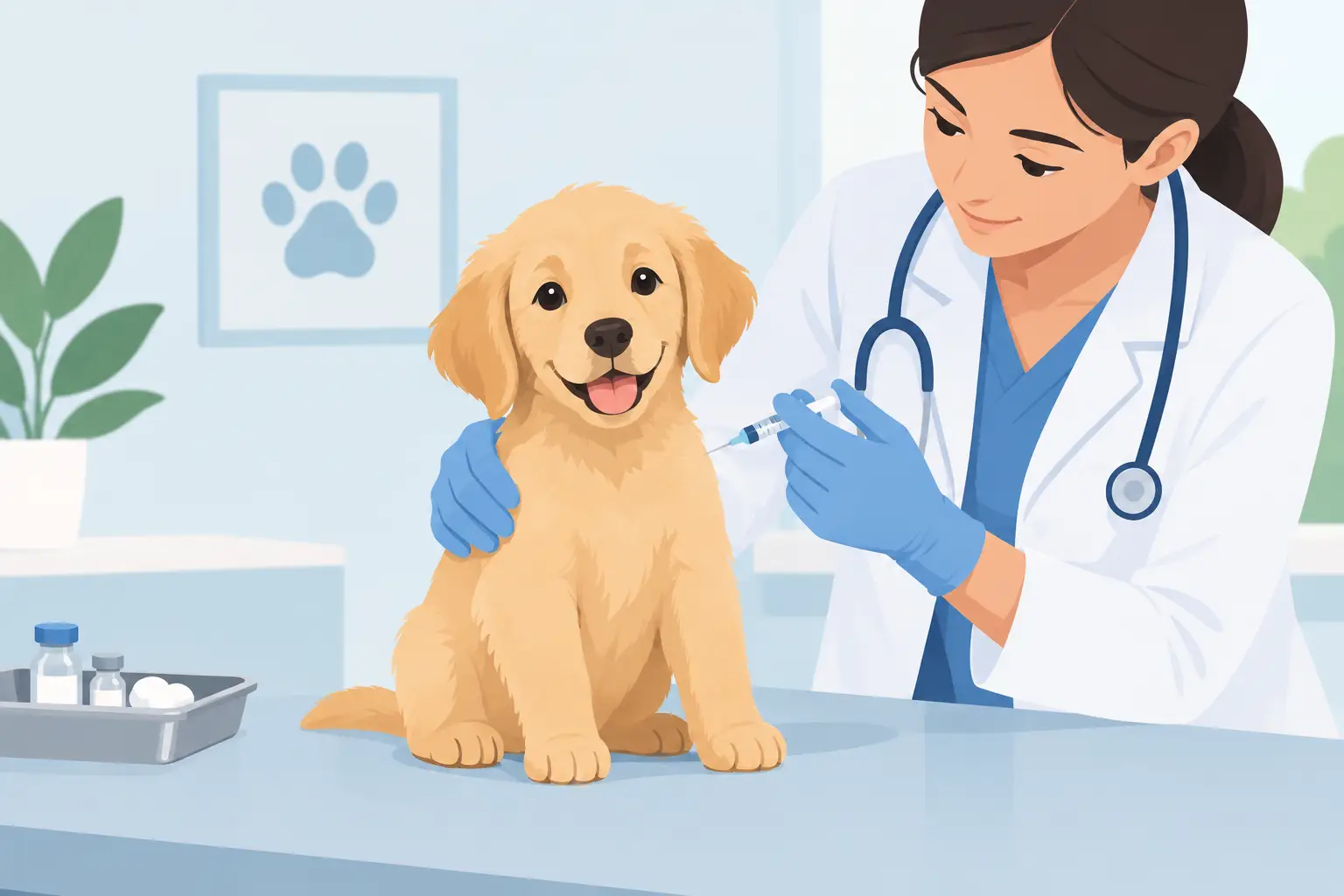
Before longer travel, consider your puppy’s vaccination status and ask your veterinarian what is appropriate for the areas you will visit. Puppies are more vulnerable to illness before their vaccine series is complete, so public pet areas, dog parks, and heavily used grass strips may not be the right place for potty breaks. Carrying your puppy to a cleaner, lower-traffic area can reduce unnecessary exposure.
Temperament matters, too. Many Australian Labradoodles are people-focused, adaptable companions, but every puppy is an individual. A curious puppy may need help settling. A sensitive puppy may need shorter practice trips and more quiet time. Let your puppy’s behavior set the pace.
Prepare for Puppy Travel Before Departure Day
The best travel practice happens before you load the car. Take several short drives with your puppy secured safely in a crate or puppy car seat. Begin with five or 10 minutes, then return home for something pleasant: a meal, a nap, or quiet time with the family. This teaches your puppy that riding in the car does not always lead to a stressful or unfamiliar event.
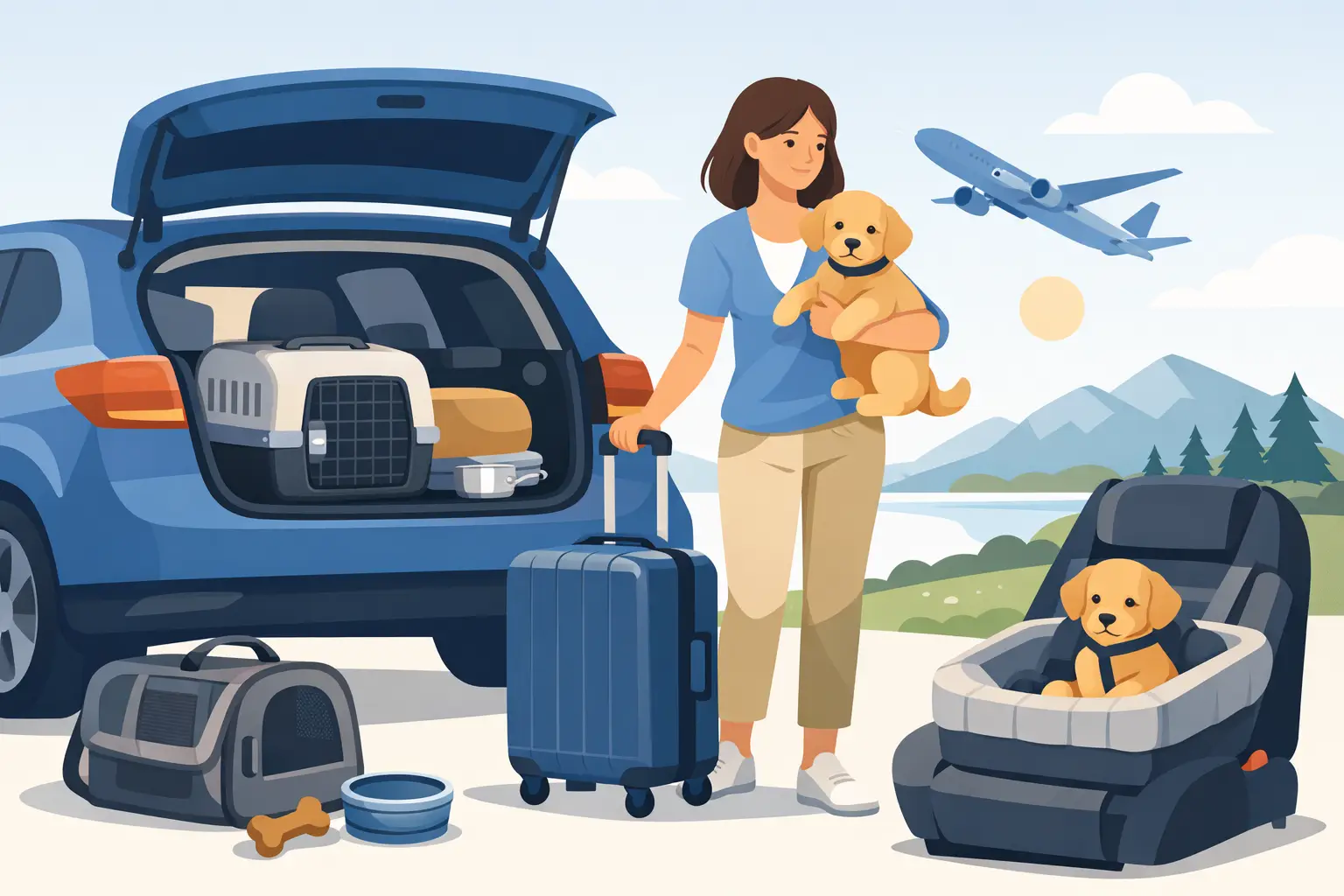
Crate comfort is especially valuable. A properly sized travel crate gives a puppy a familiar place to rest and prevents unsafe roaming in the vehicle. Your puppy should be able to stand, turn around, and lie down comfortably, but the space should not be so large that they are sliding around during turns. Secure the crate so it cannot shift.
Some families prefer a crash-tested car harness for an older, more settled puppy. For very young puppies, a secured crate is often the simpler choice. Never allow a puppy to ride loose on a lap, in the front seat, or in the cargo area of an SUV without protection. Airbags, sudden stops, and an open door can turn a sweet moment into an emergency.
Pack a small travel bag before you need it. Include:
- Your puppy’s regular food, treats, and a portable water bowl
- Fresh water, waste bags, paper towels, and pet-safe cleaning supplies
- A leash, harness, collar with identification, and a backup leash
- A familiar blanket or crate mat, plus a safe chew toy
- Vaccine and veterinary records, any medications, and your veterinarian’s contact information
Keeping food and water familiar can prevent an upset stomach. Travel is not the time to introduce new treats, switch diets, or offer rich snacks from the drive-through.
How to Travel With a Puppy by Car
For most families, car travel is the easiest way to begin. Plan to leave when your puppy is likely to be sleepy, often after a calm potty break and a little gentle play. Avoid an intense game right before departure, since an overtired puppy can become more restless instead of settling down.
Feed a normal meal several hours before a long drive rather than immediately before you leave. This may help reduce nausea, although some puppies still experience motion sickness as they adjust to riding in a vehicle. Drooling, repeated swallowing, whining, lip licking, or vomiting can all be signs that your puppy is uncomfortable. Speak with your veterinarian before giving any medication, including products marketed for nausea or calming.
For a full day of driving, stop about every two to three hours for a quiet potty opportunity, water, and a brief stretch. Young puppies may need breaks more often, especially after waking up, eating, or drinking. Keep your puppy leashed before opening the car door. Even a puppy with a promising recall can be startled by traffic, unfamiliar sounds, or a new scent.
Choose rest areas carefully. If your puppy is not fully vaccinated, look for a quiet edge away from concentrated dog traffic rather than placing them in a communal pet relief area. Use a clean blanket or portable potty option if you cannot find a suitable spot. The travel plan may feel less convenient, but protecting your puppy’s health is worth the extra care.
Keep the car comfortable, never hot. Do not leave a puppy alone in a parked vehicle, even for a quick errand. Interior temperatures can rise rapidly, and a frightened puppy may panic when left in an unfamiliar place.
Flying With a Puppy Takes Extra Planning
Flying is possible for some puppies and families, but it requires more preparation than driving. Airline policies vary by carrier and can change, including rules about puppy age, carrier dimensions, health documentation, and whether pets may travel in the cabin. Confirm every requirement directly with the airline before booking, then measure the carrier against the airline’s current guidelines.
When possible, cabin travel is generally preferable to checking a puppy as cargo. Your puppy remains closer to you, and you can monitor their comfort. Choose a soft-sided carrier that provides proper ventilation and enough room for your puppy to stand, turn, and lie down. Practice at home well before the flight by letting your puppy rest in the carrier with the door open, then closed for short, positive sessions.
Book direct flights when you can. Fewer connections mean fewer transitions, less handling, and a shorter day for your puppy. Arrive early enough to move calmly through the airport, but avoid creating a long, exhausting wait. Before boarding, offer a potty break in an appropriate relief area and a small drink of water.
Do not sedate your puppy for a flight unless your veterinarian has specifically advised it. Sedation can affect breathing, balance, and temperature regulation, particularly at altitude. A familiar blanket that smells like home and a calm voice from you are safer sources of reassurance.
Help Your Puppy Settle Once You Arrive
Arrival is where many families accidentally ask too much of a puppy. You may be eager to introduce grandparents, cousins, a new rental house, or a favorite beach town. Your puppy needs a decompression period first.
Set up a small, quiet puppy area as soon as you arrive. Place the crate, water, bedding, and a safe chew in one spot. Take your puppy out for a potty break, offer a little water, and allow them to rest. Keep greetings brief and gentle, especially with children. A puppy who is yawning, turning away, becoming mouthy, or suddenly zooming may be tired rather than ready for more activity.
Maintain the home routine as closely as possible. Feed the same food at similar times, continue crate naps, and take frequent potty breaks. New places often lead to a few accidents, even for a puppy who was doing well at home. That is normal. Clean up calmly and return to the routine rather than treating it as a training setback.
If you are staying in a hotel or rental, puppy-proof it first. Check for dropped medication, food, electrical cords, open stairways, and items that could be chewed or swallowed. Bring a long leash for controlled outdoor time, but do not leave your puppy tied outside or unattended in an unfamiliar room.
Know When to Change the Plan
A successful trip is not measured by how much you fit into the itinerary. If your puppy is carsick, overly fearful, refusing food, having diarrhea, or unable to rest, scale back. A shorter outing, an earlier return home, or a quiet evening in the room may be exactly what your puppy needs.
Call a veterinarian promptly if your puppy has repeated vomiting, ongoing diarrhea, unusual lethargy, trouble breathing, or any concern that feels more serious than normal travel stress. Young puppies can become dehydrated quickly, and it is always better to ask.
At Providence Hill Australian Labradoodles, we believe confident puppies grow through kind, manageable experiences. Your calm preparation becomes part of that foundation. Keep the first trips simple, protect your puppy’s health, and give them plenty of chances to rest. Before long, the crate, the car, and new places can all become familiar parts of life with their family.