You are not imagining it – coat type can make the difference between a dog that leaves hair on every couch cushion and one that fits much more comfortably into family life. If you are asking, do australian labradoodles shed, the honest answer is yes, a little – but far less than many other breeds when they are well bred and properly cared for.
That distinction matters. Families often come to Australian Labradoodles because they want a loving, trainable companion without the heavy seasonal shedding that comes with many popular breeds. While no dog is truly 100 percent non-shedding, Australian Labradoodles are widely known for their low-shedding coats, which is one reason they are such a strong fit for homes with children, busy routines, and a preference for a cleaner living space.
Do Australian Labradoodles shed or are they non-shedding?
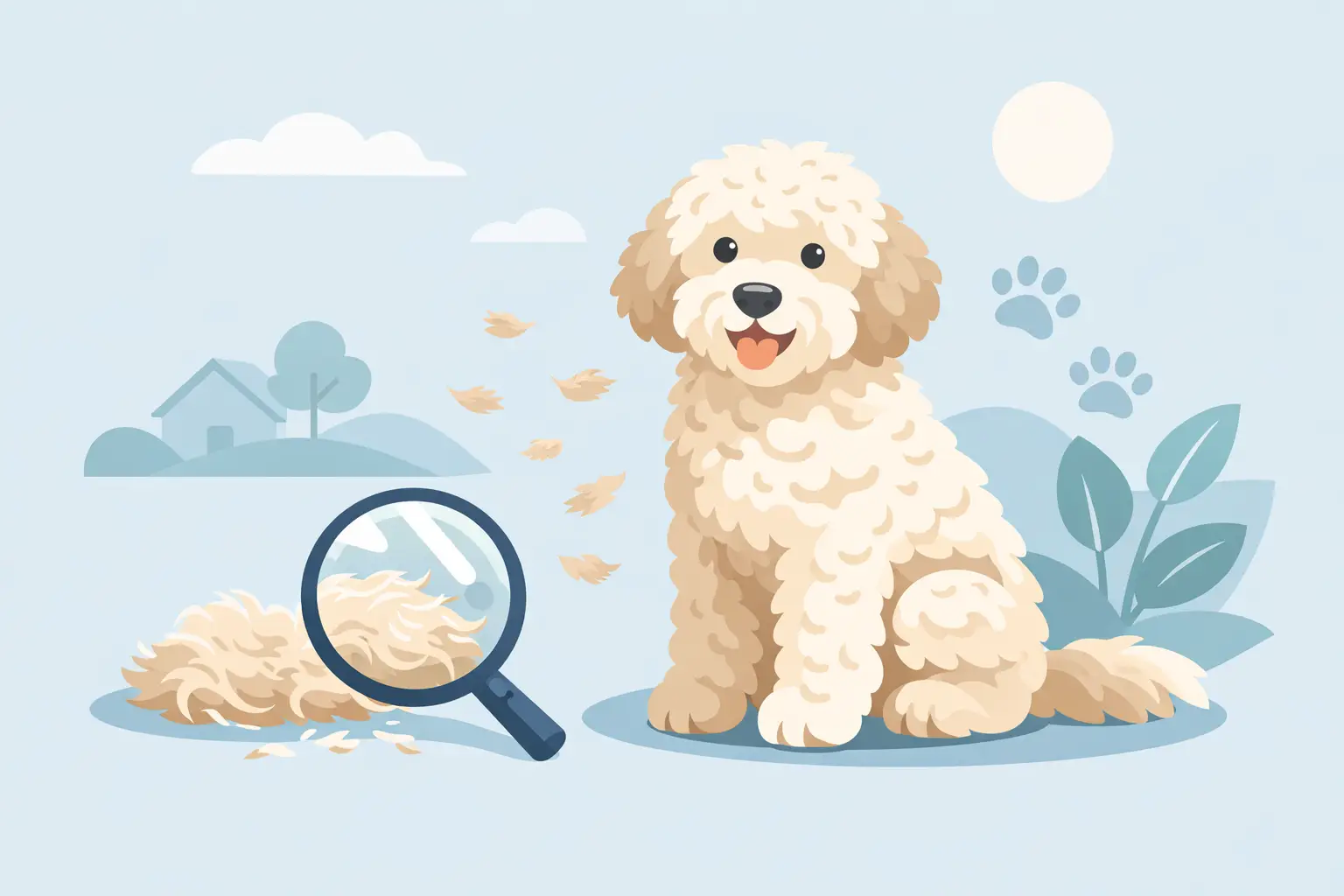
Australian Labradoodles are best described as low-shedding, not non-shedding. That may sound like a small wording difference, but it sets realistic expectations. Most well-bred Australian Labradoodles release very little loose hair compared with breeds that drop coat throughout the year or blow their coats seasonally.
Instead of finding fur on clothing, floors, and furniture, owners are more likely to notice loose hair caught in the dog’s coat or brush during grooming. In practical terms, that means less hair floating through the house, but it also means coat care becomes more important. A low-shedding coat usually needs regular brushing and maintenance so it does not tangle or mat.
For many families, that is a worthwhile trade. You spend more time on grooming, but usually less time vacuuming dog hair off everything you own.
Why shedding varies from dog to dog
Even within the same breed, shedding is not identical in every puppy or adult dog. Coat genetics play a major role, and this is one reason responsible breeding matters so much.
Australian Labradoodles can have different coat textures, including fleece and wool coats. These coat types are generally associated with lower shedding, but there can still be variation in how each dog’s coat behaves. Some dogs may have an ultra-low-shedding coat that traps almost all loose hair until brushing, while others may have a bit more natural release.
Age can also affect what owners notice. Puppies often go through coat changes as they mature, and that transition can create the impression of increased shedding. In many cases, what owners are really seeing is a coat shift rather than the kind of shedding you would expect from a double-coated breed.
Health, nutrition, stress, and grooming habits also influence coat condition. A healthy dog on a quality diet with consistent coat care will usually maintain a cleaner, healthier coat than a dog whose grooming routine is inconsistent.
The coat types behind low shedding
When people ask do australian labradoodles shed, they are often really asking about coat type. That is where much of the answer lives.
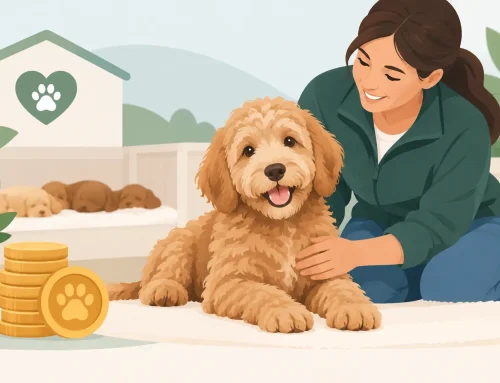
A fleece coat is soft, often silky or fluffy in feel, and commonly low shedding. A wool coat is usually curlier and denser, also with very low shedding. Both are popular with families seeking a dog that is easier on the home environment and often more compatible with allergy concerns.
What you generally want to avoid is assuming every doodle-type dog will have the same coat outcome. The Australian Labradoodle is developed with greater consistency than many casual crossbred litters, but good breeding practices still matter. Predictability in coat, temperament, and health does not happen by accident.
That is why families should pay attention to a breeder’s focus on genetics, coat expectations, and long-term support. A breeder who understands the line and educates owners well can help set much clearer expectations from the start.
Low shedding does not mean low maintenance
This is the part many first-time owners do not hear soon enough. A dog that sheds less usually needs more hands-on coat care.
Because loose hair often stays trapped in the coat rather than falling onto the floor, brushing is important. If it is skipped too often, tangles can tighten into mats, especially around the ears, collar area, legs, and tail. Mats are uncomfortable for dogs and can lead to skin issues if ignored.
Most Australian Labradoodles do best with regular brushing at home and professional grooming on a consistent schedule. The exact frequency depends on coat length, texture, activity level, and how much brushing happens between appointments. A shorter pet trim is often easier for busy families to manage, while a longer coat gives a fluffier look but requires more upkeep.
So yes, low shedding is a major benefit. It just comes with responsibility. The coat does not disappear into the vacuum cleaner – it stays on the dog until you care for it.
What about allergies?
This is where careful wording matters again. Low shedding and allergy-friendly are not the same as guaranteed hypoallergenic for every person.
Many families with mild dog sensitivities do very well with Australian Labradoodles because there is less dander-laden hair spread around the home. That said, allergies are triggered by proteins found in dander, saliva, and skin cells, not just visible dog hair. A dog that sheds less may still cause a reaction in some individuals.
The practical approach is to think in terms of reduced exposure rather than a promise. For households with allergy concerns, coat type, grooming, home cleaning, and individual sensitivity all play a role. Some people feel completely comfortable with an Australian Labradoodle, while others may still need to be cautious.
How to keep shedding to a minimum
If your goal is to have as little hair in the house as possible, routine matters. Consistent brushing removes loose hair before it tangles into the coat. Regular bathing with proper products helps keep skin and coat healthy. Professional grooming keeps the coat manageable and lets a groomer spot any developing mats or skin concerns early.
Nutrition should not be overlooked either. A well-balanced diet supports skin health, which in turn affects coat quality. Dry skin, poor coat condition, or unusual shedding can sometimes point to diet issues, stress, or an underlying health concern.
It also helps to be realistic about season changes and normal coat turnover. Even low-shedding dogs may lose a bit more hair at certain times, during puppy coat transition, after stress, or with hormonal changes. That does not mean something is wrong. It simply means low shedding still exists on a spectrum.
Why breeding quality matters so much
A lot of disappointment around shedding comes from broad assumptions about doodles in general. Families hear that a doodle will not shed, then bring home a puppy from an inconsistent breeding program and end up surprised by coat outcomes.
With Australian Labradoodles, careful breeding aims for greater consistency in coat, health, and temperament. That matters for shedding, but it also matters for the full experience of dog ownership. Families are not just choosing a coat type. They are choosing predictability, support, and the confidence that comes from working with a breeder who has been intentional about the puppy’s development.
At Providence Hill Australian Labradoodles, that family-first approach matters because the goal is not just placing puppies. It is helping families prepare for a dog that fits well into daily life, from temperament and training to grooming and long-term care.
Is an Australian Labradoodle a good fit for your home?
If you want a dog with little to no grooming effort, probably not. If you want a dog with less hair around the house, a friendly and trainable personality, and a coat that is typically much easier to live with than heavy-shedding breeds, an Australian Labradoodle may be an excellent fit.
This breed tends to work especially well for families who value both companionship and manageability. Children can snuggle without coming away covered in fur. Guests are less likely to notice pet hair on furniture. Daily life feels a bit cleaner and easier, even though regular brushing and grooming stay part of the routine.
The best expectation is this: Australian Labradoodles usually shed very little, but coat care is part of the package. For many homes, that is a smart and happy trade, especially when the result is a loving companion who settles beautifully into family life.
If shedding is high on your list of concerns, ask clear questions, learn about coat types, and choose a breeder who values predictability as much as you do. The right puppy should not just be adorable on day one – it should also make sense for the way your family lives every day after that.